The U.S. Department of State has recently expanded its roster of travel advisories, with Poland now joining Canada, Qatar, and Thailand among nations where updated safety recommendations have been issued for American citizens traveling abroad. These advisories reflect the evolving global security landscape and underscore the importance of preparedness as international travel surges in 2025. As tensions rise in various regions and health concerns continue to influence global mobility, these alerts aim to arm travelers with the knowledge needed to navigate foreign environments safely and responsibly.
The decision to issue a new advisory for Poland highlights the U.S. government’s heightened vigilance. While Poland is widely regarded as a stable European ally, shifts in the regional security climate, particularly due to the ongoing geopolitical tensions in Eastern Europe, have prompted the State Department to remind travelers to remain cautious and informed. U.S. citizens visiting Poland are urged to review the latest travel advice, remain aware of their surroundings, and take advantage of official resources like the Smart Traveler Enrollment Program (STEP).
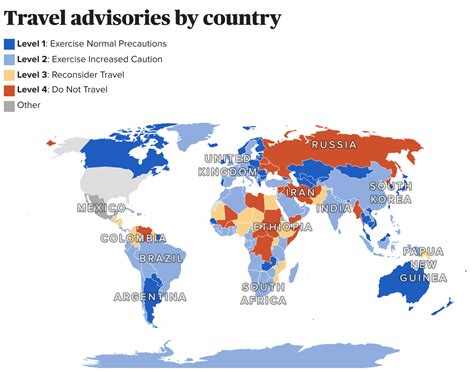
The advisories for Canada, Qatar, and Thailand were similarly issued to address country-specific concerns while promoting safe travel practices. Canada received a Level 1 advisory, signaling that while it is generally a low-risk destination, U.S. citizens should still exercise standard precautions, especially as summer tourism peaks. The State Department advises enrolling in STEP, staying current on the Country Security Report, and preparing for emergencies such as health issues or natural disasters. For health matters, travelers are encouraged to consult the latest guidance from the Centers for Disease Control and Prevention (CDC) regarding vaccinations and other preventative measures.
In Qatar, the advisory took on greater urgency due to escalating regional tensions. The proximity of ongoing political and military conflicts has led the Federal Aviation Administration (FAA) to issue a Notice to Airmen (NOTAM) and a Special Federal Aviation Regulation (SFAR), calling on U.S. airlines to reevaluate security risks and adapt operations as needed. American visitors are advised to stay informed through reliable sources and report any incidents that could impact safety.

Meanwhile, Thailand continues to present unique challenges for travelers, with the advisory focusing on risks associated with political demonstrations, localized violence, and health-related concerns. As with other destinations, the State Department encourages travelers to monitor updates closely and remain vigilant, particularly in areas known for protest activity.
The importance of these travel advisories extends beyond mere formality. They serve as essential tools for risk mitigation, offering a clear-eyed assessment of conditions on the ground and actionable guidance for travelers. From reminders about local laws and customs to alerts on potential unrest or environmental hazards, these advisories provide a vital layer of security for Americans exploring destinations abroad.
Poland’s inclusion in the latest advisory list reflects not only geopolitical realities but also the broader objectives of U.S. foreign policy: to safeguard its citizens through transparency and timely information. The advisory does not indicate that Poland has become a dangerous destination but rather acknowledges that even in generally safe nations, conditions can shift unexpectedly. The advice to register with STEP, for example, enables the U.S. government to locate and assist citizens in the event of a crisis — whether that involves political upheaval, natural disaster, or another unforeseen emergency.
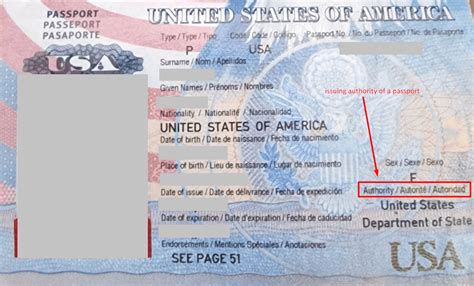
The travel alerts issued this June are part of the State Department’s ongoing efforts to adjust guidance in response to dynamic global developments. They emphasize personal responsibility: it is incumbent upon travelers not only to heed official warnings but to prepare comprehensively for any international journey. This preparation includes understanding local emergency services, carrying appropriate health documentation, and having contingency plans for disruptions.
Another key factor behind the updated advisories is the growing volume of international travel. Following years of pandemic-related restrictions, 2025 has seen a dramatic increase in Americans venturing abroad. With that resurgence comes the need for robust, accurate, and accessible safety information. The advisories represent a cornerstone of that effort, combining intelligence assessments with practical advice.
Critically, no Level 4 advisories — the highest level indicating “Do Not Travel” — have been issued for these countries. The only current Level 4 warning remains for Somalia, reflecting extreme risks related to terrorism, civil unrest, and crime. This context helps clarify that the advisories for Poland, Canada, Qatar, and Thailand are not calls to avoid these nations entirely but to approach travel there with heightened awareness and preparation.
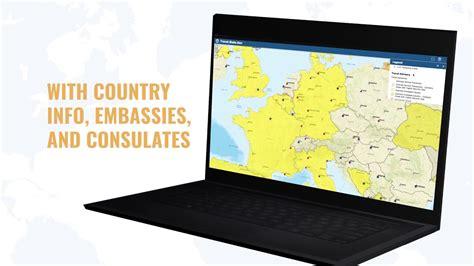
U.S. citizens are further reminded that conditions can evolve rapidly. What begins as a routine visit could become complicated by external factors beyond a traveler’s control. This underscores the value of staying connected with official channels. By enrolling in STEP, travelers receive real-time updates, security messages, and can be more easily assisted in emergencies.
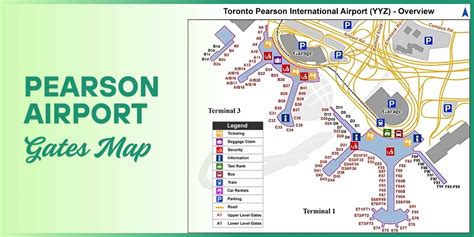
In Canada, though classified under the most benign advisory level, U.S. travelers are advised to remain mindful of their surroundings. The proximity and deep ties between the two nations mean travel is frequent and fluid, but vigilance remains prudent. Especially during the high-traffic summer season, travelers should be aware of potential disruptions, including weather-related emergencies and health advisories.
Looking at Qatar, the combination of geopolitical tensions and its critical position in regional affairs necessitates a careful approach. The FAA’s involvement signifies the seriousness with which the U.S. government regards potential threats to civil aviation and the need for constant risk assessments.
Thailand’s advisory reflects its complex internal dynamics. From Bangkok’s bustling urban centers to the serene islands, American visitors are urged to remain alert, particularly in areas where political demonstrations are more likely. Health advisories also feature prominently, with the tropical climate and certain endemic diseases requiring attention to vaccination and preventive measures.
Across all these destinations, the central message is clear: Americans traveling abroad must balance their enthusiasm for discovery with a practical commitment to safety. The travel advisories are not meant to alarm but to empower — providing the facts, context, and tools necessary for a secure and enjoyable experience.
In sum, the updated travel alerts for Poland, Canada, Qatar, and Thailand reflect a nuanced and responsive approach to global travel risks. They reaffirm the State Department’s mission to protect U.S. citizens overseas while respecting their freedom to explore the world. By following official guidance, enrolling in STEP, and preparing thoughtfully, American travelers can navigate the complexities of international travel with confidence and care.