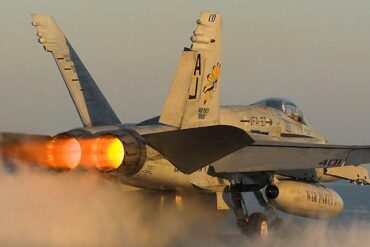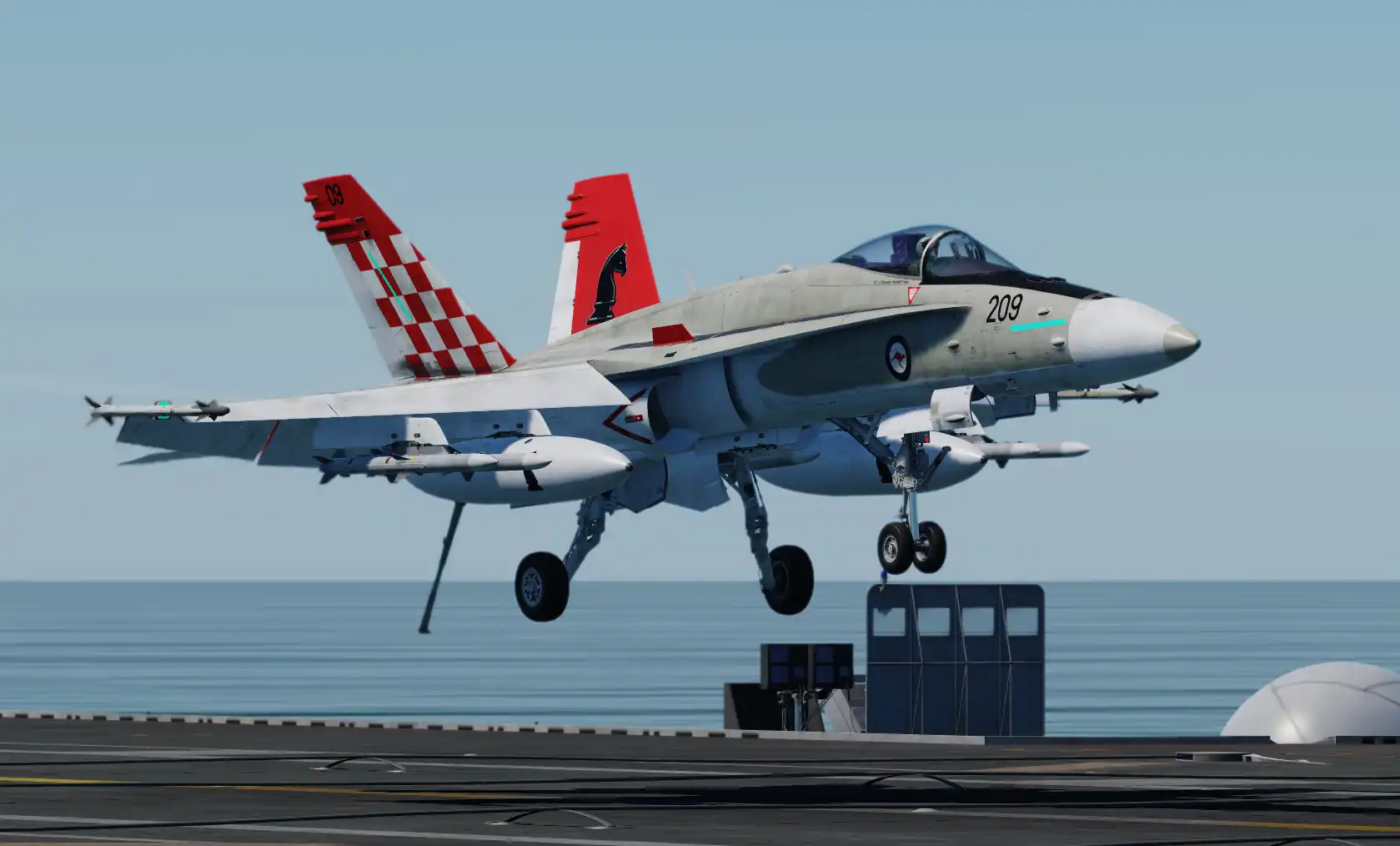
The F/A-18 Hornet and its advanced variant, the F/A-18 Super Hornet, have long been the backbone of carrier-based air power for the U.S. Navy, U.S. Marine Corps, and several allied nations. Over the years, these aircraft have donned a variety of liveries, ranging from standard tactical camouflage to commemorative and special-edition paint schemes. These liveries not only serve functional purposes, such as low visibility in combat and high contrast for training, but also celebrate milestones and squadron heritage. Below, we explore some of the most notable F/A-18 liveries across different operators.
Standard U.S. Navy & Marine Corps Liveries
Tactical Gray (Low-Visibility)
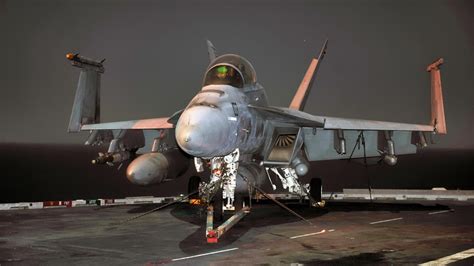
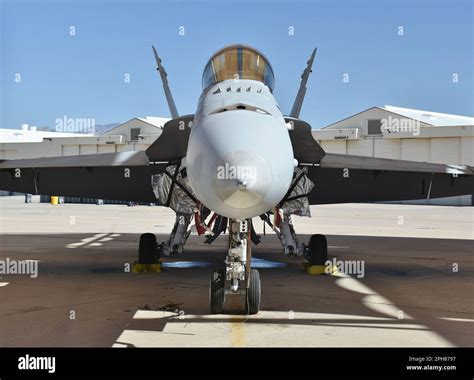
One of the most common liveries seen on operational F/A-18 Hornets and Super Hornets is the low-visibility tactical gray scheme. These aircraft are painted in a muted Ghost Gray (FS 36320/FS 36375) to reduce visual detection in combat scenarios. The markings, including national insignias and squadron badges, are subdued to further enhance stealth.
High-Visibility Training Schemes
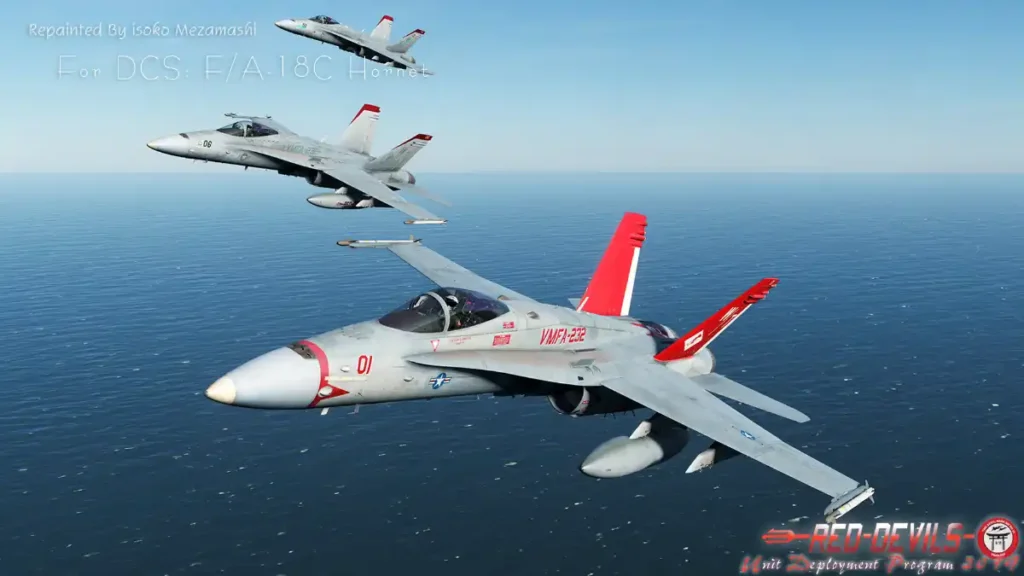
Some legacy Hornets (A-D models) feature high-visibility paint schemes, particularly for training purposes. These schemes often include brightly colored tail flashes, bold stripes, or distinctive squadron markings, making them easier to track in air-to-air combat training.
Example: Adversary training aircraft may feature red or yellow tail stripes to distinguish them from operational aircraft.
Special U.S. Navy Commemorative Liveries
Blue Angels: The Iconic Demonstration Team
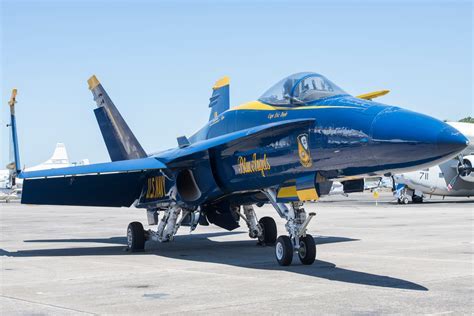
The Blue Angels, the U.S. Navy’s renowned flight demonstration squadron, operate F/A-18E/F Super Hornets in an eye-catching blue and gold livery. This scheme, featuring gold lettering and insignias, is designed to stand out during airshows and public events.
Anniversary & Heritage Liveries
To commemorate significant milestones, the U.S. Navy has applied unique heritage paint schemes to select aircraft.
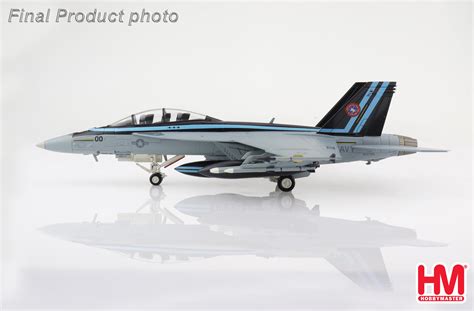
- 50th Anniversary of TOPGUN (2019): A special black-and-gold livery featuring “TOPGUN” tail art.
- Centennial of Naval Aviation (2011): Retro-inspired blue and gray paint scheme with a large “100” marking.
- VFA-113 “Stingers” CAG Bird: A striking black-and-yellow wasp design on the tail.
International Operators’ Liveries
Royal Canadian Air Force (CF-18)
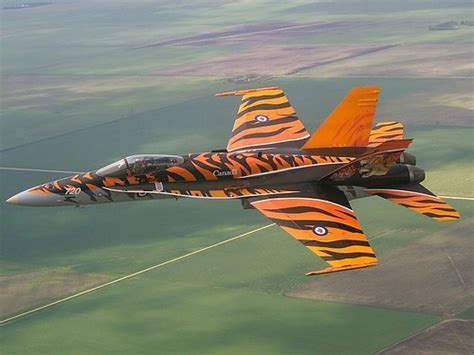
Canada’s CF-18 Hornets primarily feature a low-visibility gray camouflage with subdued maple leaf roundels for operational missions. However, select aircraft receive elaborate airshow liveries, the most famous being the Tiger Meet scheme. These designs incorporate black-and-orange tiger stripes or gray-scale tiger patterns to honor the NATO Tiger Association. Additionally, special anniversary schemes have included commemorative blue-and-white liveries celebrating the RCAF’s heritage.
Royal Australian Air Force (RAAF F/A-18A/B)
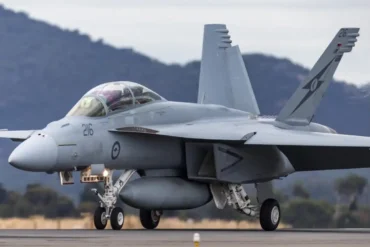
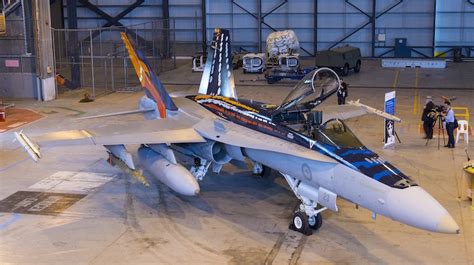
Australia’s F/A-18A/B Classic Hornets were painted in an Aussie Gray scheme with kangaroo roundels. Some special liveries included Indigenous Australian artwork to honor the country’s cultural heritage.
Swiss Air Force (F/A-18C/D)
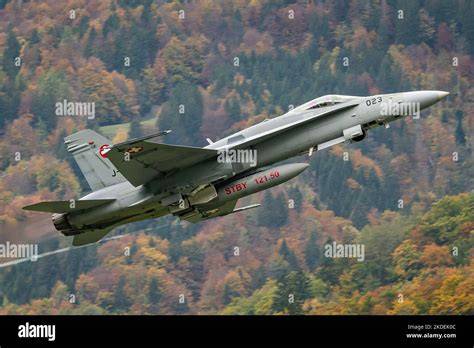
The Swiss Air Force maintains a neutral gray livery with red and white Swiss crosses. Occasionally, demo aircraft feature the Patrouille Suisse team’s red-and-white swirl designs.
Aggressor/Adversary Liveries
U.S. Navy Aggressor Squadrons (VFC-12, VFC-111)
These squadrons simulate enemy aircraft for training exercises, requiring distinct aggressor liveries inspired by potential adversaries.
- Flanker Blue/Gray: Mimicking Russian Su-27/Su-30 schemes.
- Desert Camouflage: Resembling aircraft from Middle Eastern air forces.
- Digital “Pixel” Camo: Modernized experimental patterns for combat realism.
Fictional & Custom Liveries
Video Games & Model Kits
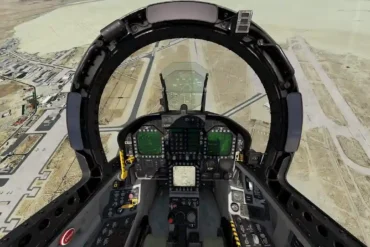
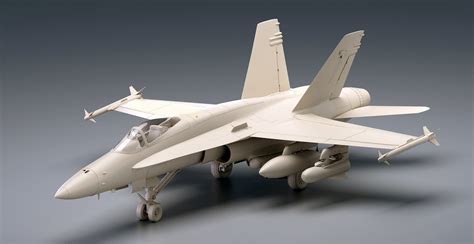
The F/A-18 Hornet has been featured in various flight simulation games such as DCS World and Microsoft Flight Simulator. These include both realistic military liveries and fictional custom skins, such as:
- Top Gun: Maverick movie liveries.
- Sci-fi inspired paint schemes.
- Aftermarket model kit decals from brands like Afterburner Decals and Furball Aero.
Frequently Asked Questions (FAQ)
1. Why do most F/A-18s have a gray camouflage?
The Ghost Gray camouflage helps reduce the visual and infrared signature of the aircraft, making it harder to detect in combat situations. It also blends well with the ocean and sky, which is critical for naval aviation operations.
2. What makes the Blue Angels livery unique?
The Blue Angels livery is instantly recognizable due to its deep blue paint with bold gold accents. This design is optimized for high visibility at airshows, ensuring spectators can easily follow the aircraft’s movements.
3. Are there any F/A-18 liveries used exclusively for airshows?
Yes. The Canadian CF-18 Tiger livery, the Swiss Patrouille Suisse demonstration team scheme, and various commemorative heritage liveries are used exclusively for public displays and ceremonies rather than operational missions.
The F/A-18 Hornet and Super Hornet continue to serve as iconic military aircraft with diverse and striking liveries, reflecting their role in combat, training, and ceremonial functions worldwide. Whether in stealthy gray, dazzling blue and gold, or unique adversary camo, these liveries add to the rich visual legacy of one of the world’s most versatile fighter jets.