Flights from New Zealand to Antarctica are far more complex than conventional air travel. Due to the continent’s extreme climate, logistical challenges, and international treaties governing its use, only a few routes exist—and most are part of broader expedition programs or research-based missions. However, for adventurous travelers seeking the ultimate polar experience, there are still several structured pathways to reach the icy expanse, and some start directly from New Zealand or include it as a crucial hub. In this article, we explore all viable options, highlighting their routes, benefits, and trade-offs in extensive detail.
Accessing Antarctica via South America
While New Zealand has proximity to East Antarctica, most commercial Antarctic expeditions operate from South America. This is largely due to infrastructure, weather reliability, and tourist demand centered around the Antarctic Peninsula.
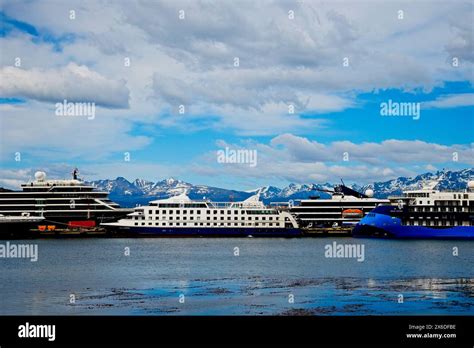
LATAM Airlines provides direct flights from Auckland to Santiago, Chile. From there, travelers typically continue to Buenos Aires, Argentina, before flying south to Ushuaia, the southernmost city in the world and the dominant Antarctic cruise hub.
From Ushuaia, three cruise options are available:
-
Classic Antarctic Peninsula Cruises (10–12 days): These itineraries offer close encounters with penguins, seals, and icebergs, reaching iconic locations like Paradise Bay and Deception Island.
-
Antarctic Circle Cruises: An extension of the classic voyage, pushing further south beyond the 66°33′ latitude line.
-
Extended Voyages (up to 22 days): These include South Georgia and the Falkland Islands, adding diverse wildlife, including king penguins and elephant seals, and historic whaling stations.
Pros and Cons
Pros:
-
Large selection of cruise operators and vessel types
-
Frequent departures during peak season (November–March)
-
Affordable entry-level pricing options
Cons:
-
Long travel route from New Zealand
-
Two-day Drake Passage crossing, infamous for turbulent seas
Fly and Cruise via Punta Arenas, Chile
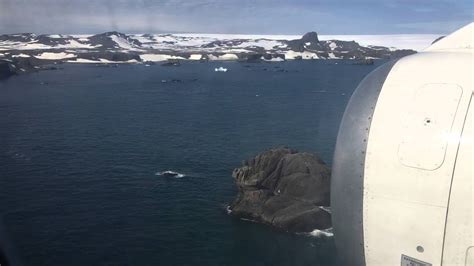
Punta Arenas, located further south than Santiago, serves as a staging ground for fly-cruise combinations to Antarctica. This method allows passengers to bypass the Drake Passage by flying to King George Island in the South Shetlands, where cruise ships await.
For travelers departing from New Zealand, the routing typically includes a flight to Santiago, a domestic connection to Punta Arenas, and then a chartered flight to Antarctica.
These hybrid expeditions combine the efficiency of air travel with the immersive benefits of small-ship cruising. Moreover, side trips to destinations like Torres del Paine National Park in Patagonia can be incorporated into the broader itinerary.
Pros and Cons
Pros:
-
Avoids Drake Passage seasickness
-
Saves significant travel time
-
Offers immersive cruise experience with minimal sea days
Cons:
-
High costs due to chartered flights
-
Limited departures and vessel choices
-
Weather delays frequently affect Antarctic flights
Direct Voyages from New Zealand to East Antarctica
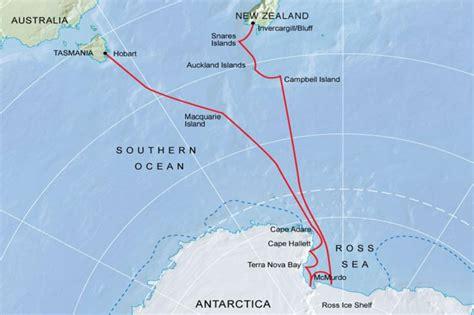
The most exclusive option for accessing Antarctica from New Zealand is a direct expedition cruise, typically departing from Bluff (Invercargill) or Hobart, Australia. These voyages, lasting between 26 to 35 days, traverse the Southern Ocean and include stops at protected sub-Antarctic islands such as:
-
Macquarie Island
-
Campbell Island
-
Auckland Islands
-
The Snares
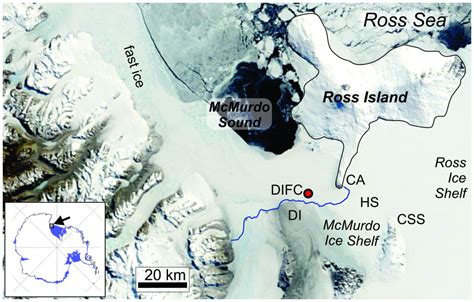
These islands form part of the UNESCO World Heritage Sub-Antarctic chain, offering rare bird species, mossy landscapes, and pristine environments. Following the island circuit, ships continue to East Antarctica, arriving via the Ross Sea—home to dramatic ice shelves, emperor penguins, and legendary historical sites like Scott’s Hut and McMurdo Station.
Pros and Cons
Pros:
-
Departure directly from New Zealand or nearby Hobart
-
Access to the Ross Dependency, a territory with historic ties to New Zealand
-
Rare wildlife and sites with fewer tourists
Cons:
-
Extended sea days and exposure to rough open waters
-
High pricing (often $25,000+ per passenger)
-
Only a handful of departures each season
-
Less biodiversity compared to the Antarctic Peninsula
Antarctic Sightseeing Flights: A Sky-High Alternative
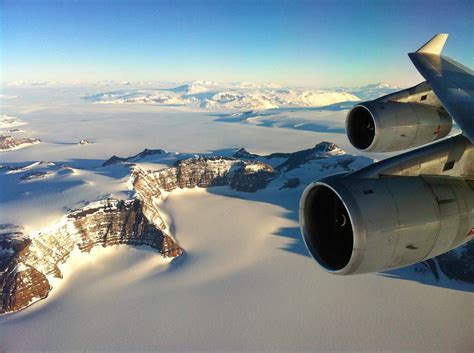
While New Zealand itself does not operate commercial Antarctic sightseeing flights, neighboring Australia does. These day-long aerial journeys, operated from Melbourne, Sydney, and Perth, offer panoramic views of the Antarctic continent without landing.
Flights are typically conducted by Qantas using long-range aircraft like the Boeing 787 Dreamliner. They cross the Southern Ocean, descend over the Antarctic coastline, and fly figure-eight patterns over landmarks such as the Totten Glacier and Amery Ice Shelf before returning to Australia.
Though passengers never disembark, large windows and onboard geographers provide context and excitement throughout the 12–14 hour journey.
Pros and Cons
Pros:
-
No seasickness or extreme cold exposure
-
Suitable for all ages and mobility levels
-
Stunning aerial photography opportunities
Cons:
-
No ground exploration or wildlife interaction
-
Flights depart only from Australia
-
Weather can obscure visibility
Scientific Flights and Charter Logistics
New Zealand also plays a pivotal role in Antarctica’s scientific infrastructure. From Christchurch International Airport, the United States Antarctic Program (USAP) and Antarctica New Zealand operate regular missions to McMurdo Station and Scott Base, using military aircraft like the C-17 Globemaster III and LC-130 Hercules.
These flights are strictly limited to personnel with government, scientific, or logistical credentials. They form the backbone of Antarctic research and maintain year-round connections between New Zealand and the continent.
Though closed to the public, these operations underscore New Zealand’s strategic and historical connection to East Antarctica, particularly the Ross Dependency, which it administers under international treaty.

Future Possibilities: Opening the Skies from New Zealand
Despite growing interest in Antarctic tourism, commercial passenger flights from New Zealand to Antarctica remain nonexistent due to a combination of factors:
-
Lack of infrastructure to accommodate large aircraft on ice runways for tourism
-
Harsh weather systems that make predictable scheduling nearly impossible
-
Regulatory constraints due to the Antarctic Treaty System, which prioritizes scientific and environmental stewardship
However, as polar tourism evolves and demand increases, private charter opportunities and expedition aviation may eventually open new doors. Companies are increasingly exploring flexible use of ice runways and temporary camps as the next evolution of high-end Antarctic access.
Until then, New Zealand remains a logistical gateway and symbolic steward of East Antarctica, more integral to polar science than tourism.
FAQs
How long does it take to reach Antarctica from New Zealand?
Depending on the method, it can take between 3 to 5 days by ship from Bluff or Hobart to the Ross Sea, with full expeditions lasting 3 to 4 weeks. Sightseeing flights from Australia take around 12–14 hours round trip.
Can tourists fly directly from New Zealand to Antarctica?
No direct commercial passenger flights from New Zealand to Antarctica are currently available for tourists. All flights from Christchurch are government-operated and restricted to scientific personnel.
What is the best way to visit Antarctica from New Zealand?
For most travelers, the most practical and frequent route is flying from Auckland to Santiago, continuing to Ushuaia, and embarking on a cruise to the Antarctic Peninsula. Those seeking a rare and immersive expedition can opt for a direct cruise from Bluff or Hobart to East Antarctica.