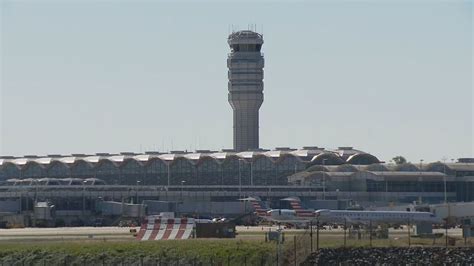
A sharply worded air traffic control exchange near Ronald Reagan Washington National Airport has ignited widespread debate across aviation circles, exposing a persistent and controversial issue: the misuse of the emergency “Guard” frequency. What began as a bizarre moment of on-air disruption quickly evolved into a viral flashpoint, revealing deeper tensions about professionalism, cockpit culture, and safety discipline in modern aviation.
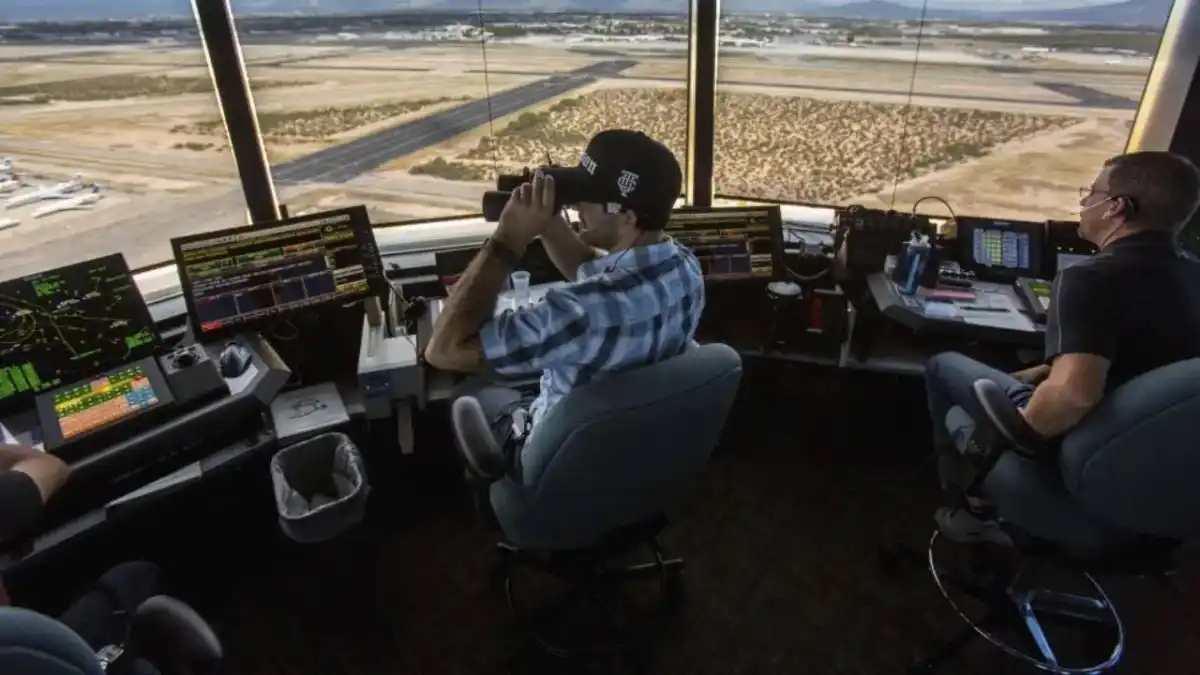
The recording, widely circulated online, captures a controller delivering a pointed reprimand to pilots allegedly transmitting animal sounds—meowing and barking—over a frequency reserved for urgent communications. The sharpness of the response, including the cutting remark, “this is why you still fly an RJ,” struck a nerve, resonating far beyond the cockpit and into public discourse.
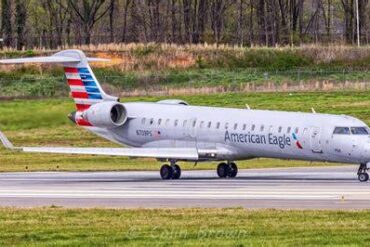
Delta and American Airlines CRJ pilots at Ronald Reagan Washington National Airport are going viral after an ATC clip caught them making “meow,” “ruff,” and other animal sounds over the radio, but the controller wasn’t having it. In the audio, ATC quickly shuts it down, telling… pic.twitter.com/nQadGDKqOX
— Turbine Traveller (@Turbinetraveler) April 15, 2026
Emergency Frequency Abuse Sparks Industry-Wide Reaction
The frequency in question—121.5 MHz, universally known as “Guard”—is not just another radio channel. It is a lifeline. Every commercial aircraft monitors it continuously, ensuring that distress calls, urgent broadcasts, and critical alerts are heard instantly across vast airspace. Any interference, even momentary, risks delaying communication that could mean the difference between routine handling and escalation.
Yet the viral clip reveals a stark contradiction. Instead of emergency coordination, the channel was momentarily hijacked by non-essential chatter, turning a critical safety net into a stage for juvenile antics. The controller’s frustration was immediate and unmistakable, reflecting a reality many aviation professionals quietly acknowledge: Guard misuse is not new—but it is rarely confronted so publicly.
For experienced pilots, the incident is less shocking than it appears to outsiders. Guard has long carried a dual identity—essential safety tool on one hand, and, at times, a magnet for off-frequency trolling on the other. Still, hearing such behavior called out in real time underscores just how thin the line is between harmless mischief and operational risk.
“Still Flying an RJ”: A Remark That Cut Deeper Than Expected
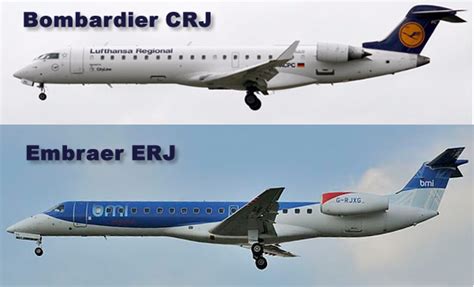
The phrase embedded in the controller’s reprimand—“still flying an RJ”—added another layer of complexity to the incident. Within aviation, “RJ” refers to regional jets, commonly operated by pilots earlier in their careers or working within regional airline structures. While technically precise, the phrase carries an unmistakable cultural undertone.
It suggests stagnation, inexperience, or a perceived lack of progression—an implication that stings in an industry where advancement is often measured by aircraft size, route prestige, and seniority. The remark, delivered in a moment of frustration, resonated as both a critique of behavior and a jab at professional standing.
This dual meaning is precisely why the clip gained traction. It was not just about inappropriate radio use; it exposed the subtle hierarchies embedded within aviation culture. In a field where discipline is paramount, deviations from protocol are often judged not only by the act itself but by who commits it.
The Persistent Problem of Guard Frequency Misuse
Despite its critical purpose, misuse of the Guard frequency remains an enduring challenge. Regulatory agencies and airlines consistently emphasize strict radio discipline, yet enforcement is notoriously difficult. Radio transmissions are often anonymous, and pinpointing offenders in real time requires technical capabilities that are not always readily available.
This ambiguity creates a peculiar environment: one where accountability exists in theory but is difficult to impose in practice. As a result, informal enforcement—like the Reagan ATC reprimand—emerges as a form of peer regulation, driven more by frustration than policy.
The broader aviation community is not blind to the risks. Even brief interruptions on Guard can obscure emergency transmissions, introduce confusion, or delay critical responses. In congested airspace, where seconds matter, clarity is not optional—it is foundational.
When Cockpit Culture Clashes With Professional Standards
Aviation has always balanced precision with personality. Pilots, like professionals in any high-stakes field, develop subcultures—shared humor, informal communication styles, and moments of levity during long hours. But the cockpit is not an isolated space; it is part of a tightly interconnected system where communication discipline is non-negotiable.
The viral recording highlights what happens when that balance tips too far. What may seem trivial or humorous in isolation becomes unacceptable when transmitted across a shared, safety-critical channel. The result is not just annoyance—it is a breakdown in the collective trust that underpins aviation operations.
This tension is not new, but it is increasingly visible. Social media has amplified incidents that once remained confined to professional circles, bringing them into public view and inviting scrutiny from audiences unfamiliar with aviation norms. While this visibility can drive accountability, it also risks oversimplifying complex dynamics.
A Viral Moment With Real Safety Implications
The Reagan ATC exchange serves as more than a viral curiosity; it is a case study in how small deviations can ripple across a high-reliability system. Aviation operates on layers of redundancy, discipline, and communication clarity. When one layer is compromised—even briefly—the system must compensate.
That compensation, however, is not infinite. Controllers must filter noise from signal. Pilots must remain vigilant amid distractions. Every unnecessary transmission adds friction to a system designed for precision.
Why Professionalism on the Radio Still Matters
Ultimately, the incident reinforces a simple but critical truth: communication is the backbone of aviation safety. Technology continues to evolve, aircraft become more advanced, and automation grows more sophisticated—but the human voice on the radio remains indispensable.
Guard frequency, in particular, demands respect. It is not just another channel—it is a shared safety resource, relied upon across continents and time zones. Misusing it undermines not only immediate operations but also the collective confidence that aviation depends on.
Moments like this resonate because they reveal the human side of an industry built on precision. They remind everyone—from seasoned captains to aspiring first officers—that professionalism is not situational. It is constant, especially when the frequency is always listening.