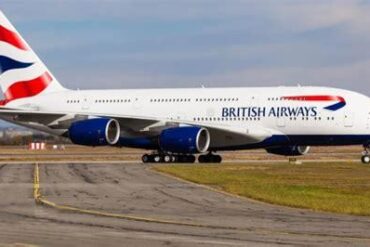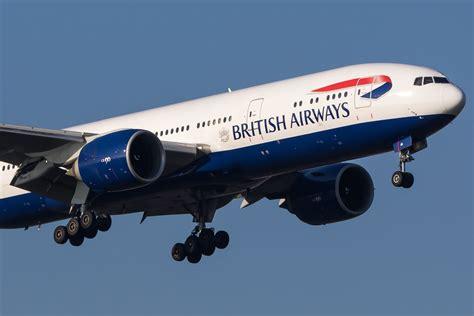
British Airways Flight BA287 from London Heathrow (LHR) to San Francisco International Airport (SFO) on June 29, 2025, became the center of a heated controversy after a miscommunication between the pilots and San Francisco Ground Control sparked an unnecessarily hostile exchange. While the Boeing 777-300ER landed safely, its arrival was marred by an aggressive outburst from the air traffic controller during a critical taxiing phase, a moment now being scrutinized across aviation communities.
The Incident: A Simple Query Turns into a Verbal Reprimand
Upon touchdown, the British Airways crew was assigned a taxi route toward the International Terminal. After crossing Runway 28L, the logical expectation was a left turn onto Taxiway A or B, a standard maneuver familiar to most international arrivals into SFO. Instead, the ground controller issued an unusual and ambiguous instruction: “Right turn Bravo.”
This command came precisely as the pilots were changing radio frequencies, causing them to miss the initial transmission. The message lacked context and clarity, prompting the crew to seek confirmation. Their query—an entirely standard safety protocol—was met not with professional assistance, but with a sharp and condescending tone:
“That’s why I told you to turn RIGHT onto Bravo! Join A to the ramp and listen better next time!”
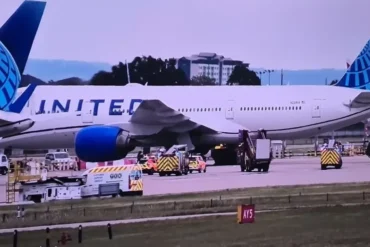
The British Airways pilots, taken aback, chose to hold their position at the E and B taxiway intersection, aware that an approaching United Airlines 777 on Taxiway F could create a dangerous conflict. Their restraint likely prevented a serious ground incident.
A Flashpoint in Aviation Protocol and Human Factors
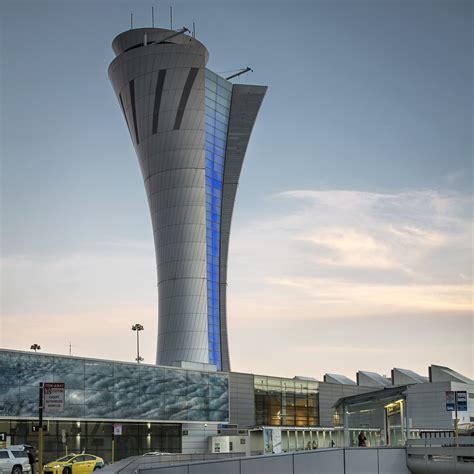
The controller’s brash response not only undermined professional decorum but also exposed a serious lapse in Air Traffic Control (ATC) communication standards. Aviation professionals across the industry quickly condemned the tone and conduct, emphasizing that safety is always the priority, particularly in busy international gateways like San Francisco.
Reactions from industry experts included:
- “Unprofessional and hostile tone that exacerbated a standard communication loop.”
- “The situation created a real safety hazard, not just a procedural hiccup.”
- “It signals a potential systemic issue with CRM (Crew Resource Management) within the tower.”
One commercial airline captain commented, “Had the pilots responded in that tone, they’d likely face internal investigation or mandatory retraining. Controllers must be held to the same behavioral standards.”
A Dangerous Precedent at San Francisco Tower
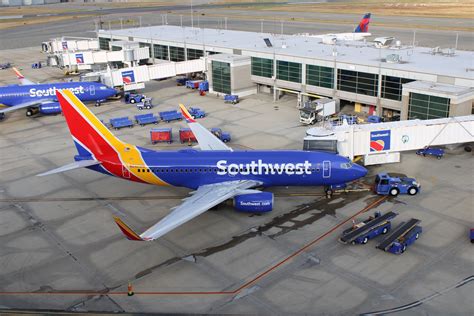
What elevates the concern is that the same controller reportedly issued conflicting instructions to a Southwest Airlines (WN) aircraft shortly afterward. This pattern of erratic communication has sparked a call for a full procedural review of SFO’s tower staff and training compliance.
SFO is no stranger to complex taxiway configurations and high traffic density, which makes standard phraseology and calm communication indispensable. In this context, issuing unclear, incomplete commands—and then scolding pilots for seeking clarity—represents a breakdown in the very safety protocols designed to prevent misunderstandings.
The Role of ICAO Phraseology and CRM Training
Global aviation adheres to ICAO-standard phraseology, a system designed to eliminate ambiguity for multi-national crews operating under varying levels of English proficiency. Controllers are expected to follow these linguistic standards rigorously, especially at major international hubs.
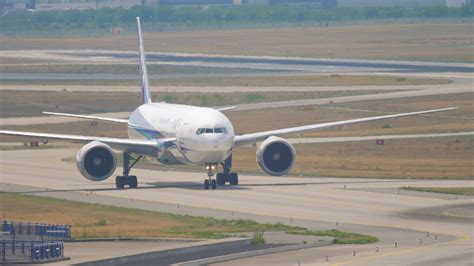
This event draws parallels with an earlier incident involving an All Nippon Airways (ANA) Boeing 777 at JFK Airport, where a controller used the phrase “You’re on request,” which has no ICAO meaning. That ambiguity led to an escalating exchange as the pilot repeatedly sought clarification, and the controller refused to rephrase using proper terminology.
These two incidents, occurring within months of each other, reveal a troubling pattern among ATC staff in high-pressure U.S. airports. When standard phraseology is replaced by local jargon or emotional tone, international flight crews are placed at a distinct disadvantage.
Safety Culture Under Scrutiny: Voices From the Industry
Within hours of the British Airways-SFO incident surfacing via VASAviation’s YouTube recording, industry veterans weighed in across forums and social platforms. The tone of the controller was widely described as “dismissive, avoidable, and bordering on a safety violation.”
A former FAA investigator noted, “Controllers are not immune from stress, but that’s precisely why protocol exists. The moment you let emotion dictate tone, you shift from safety enforcement to confrontation.”
Flight crews are trained extensively in Crew Resource Management, designed to foster calm, clear, assertive communication. However, this protocol only succeeds when ground control mirrors the same level of discipline.
Regulatory Fallout and FAA Response
While the FAA has yet to make an official statement, industry insiders suggest that recordings and transcripts are being reviewed. Given that this is not the first complaint involving this specific controller, further scrutiny of tower staffing and training protocols is expected.
Experts urge several corrective measures:
- Mandatory CRM refresher training for all ATC staff.
- Enhanced monitoring of ATC communications for tone, clarity, and procedural adherence.
- Implementation of a controller performance review board, similar to pilot line checks.
This isn’t merely about embarrassment or public image. It’s about ensuring every link in the aviation safety chain remains strong, especially in moments of confusion.
Ground Safety and the Real Risks of Miscommunication
Taxiway incidents are often overlooked in mainstream media, but they represent one of the most complex and hazardous phases of flight. Aircraft move in tight coordination, often at night or under low-visibility conditions. Miscommunications here can have catastrophic consequences.
According to a 2023 FAA safety bulletin, ground incursions remain a leading risk category at major U.S. airports. The bulletin stressed the need for consistent, unambiguous language and highlighted the dangers of non-standard phrases or emotional responses.
In the British Airways case, the pilots acted responsibly—halting their movement and seeking clarification. But they were rebuked for doing precisely what protocol demands: prioritizing safety over assumptions.

What This Means for International Operations Going Forward
For non-U.S. carriers flying into the United States, incidents like these signal a need to reassess ATC interaction strategies. While it is essential that foreign pilots become familiar with local taxiway layouts and cultural nuances, it is equally critical that controllers respect international standards.
Airports like San Francisco, New York JFK, and Los Angeles LAX serve as global gateways. The diversity of crews operating within them demands unwavering adherence to standard communication. Deviation from this jeopardizes more than punctuality—it threatens lives.
As one senior pilot remarked on a professional forum:
“What separates a good controller from a great one is composure under pressure. And when that slips, so does the entire system.”
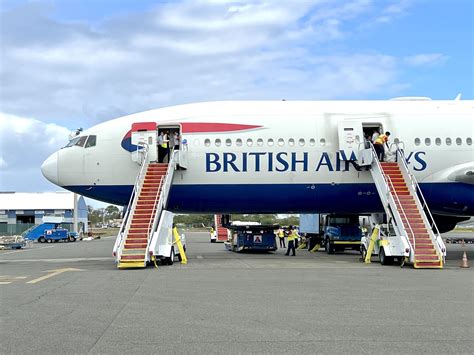
The British Airways crew will likely face internal debriefs and report filing, but aviation insiders agree: they did nothing wrong. Their caution, professionalism, and refusal to act without full clarity likely averted a serious incident.
Conclusion: A Teachable Moment in Global Aviation
The confrontation at SFO is more than a viral ATC clip—it’s a case study in why professionalism, patience, and clarity matter at every level of air traffic operations. When even one party abandons those principles, the entire ecosystem is at risk.
As airports grow more congested and international in character, it is imperative that controllers and pilots alike return to the foundational values of safety, communication, and mutual respect. Anything less is an accident waiting to happen.