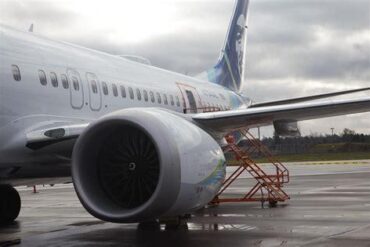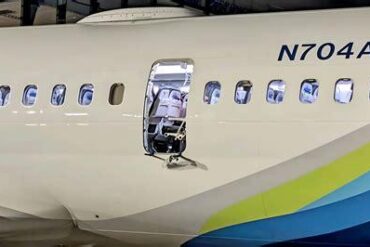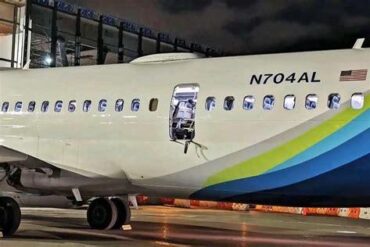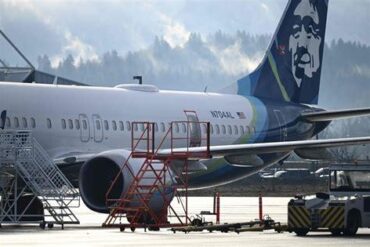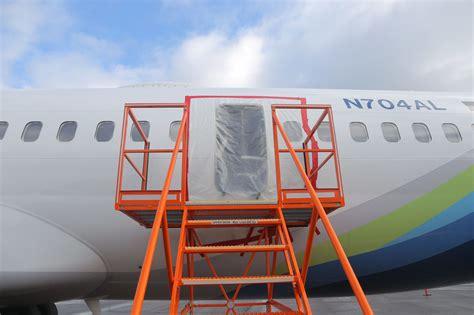
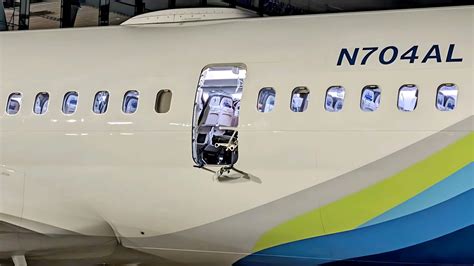
On January 5, 2024, a routine flight nearly turned catastrophic as Alaska Airlines Flight AS1282 experienced a terrifying event: the mid-flight blowout of a door plug on a Boeing 737 MAX 9. The aircraft, just ascending through 15,000 feet, suffered a violent decompression when the left door plug separated from the fuselage. While, miraculously, there were no fatalities, the incident left the aviation world rattled and drew urgent scrutiny of Boeing’s manufacturing and quality control systems.
The Catastrophic Failure That Demanded Change
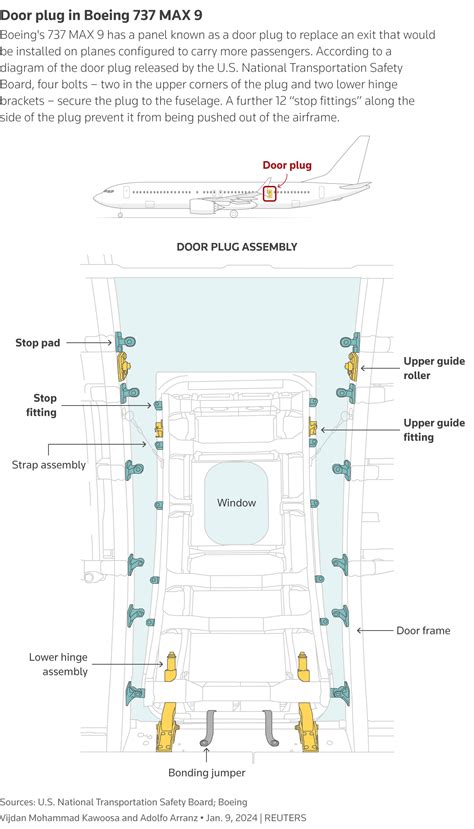
Investigations quickly traced the root cause to human error at Boeing’s Renton facility. Workers had improperly reinstalled the plug, omitting four critical bolts designed to secure it in place. The oversight exposed a major design vulnerability: a door plug that could be removed and reinstalled without any reliable verification mechanism, leaving it susceptible to catastrophic misinstallation. In response to mounting pressure and industry outrage, Boeing initiated a comprehensive redesign of the 737 MAX 9 door plug system—a move signaling not just damage control, but an overdue investment in safety.
Boeing’s Comprehensive Redesign: Safety Through Redundancy
In collaboration with Spirit AeroSystems, Boeing has unveiled an enhanced door plug configuration engineered for increased mechanical reliability, installation integrity, and tamper-resistant safeguards. This redesign includes several critical upgrades:
New Retention Arm Assemblies
The centerpiece of the redesign is the introduction of two robust retention arm assemblies that anchor the door plug in place. These arms are not passive hardware—they’re engineered with a mechanical interlock system that makes improper installation physically impossible. If these arms are not correctly aligned and installed, the plug will refuse to seat itself, instantly alerting maintenance crews to a fault.
Permanent Safety Wire Lanyards
One of the most glaring failures in the AS1282 incident was the missing visual cues for bolt presence. To address this, the redesign integrates four permanent safety wire lanyards that tether each bolt to the plug structure. These wires serve two functions: they ensure bolts are never misplaced or omitted, and they provide a clear visual confirmation that the plug is correctly secured. Notably, these wires have been crafted to avoid interference with removal or reinstallation procedures, balancing safety with operational flexibility.
Reinforced Bolt Protocol
Finally, the plug’s fastening system has undergone a reinforced bolt installation upgrade. The four key bolts that were overlooked in the Alaska Airlines mishap are now integrated with precision-torque assembly protocols. Boeing has also developed new training modules for maintenance crews to ensure strict compliance with the upgraded installation procedures, eliminating room for error.
Why This Redesign Is More Than a Fix
This initiative is not just a patch for a single flaw—it represents a strategic overhaul of Boeing’s approach to modular airframe components. The door plug is not an ancillary part; it’s a structural element responsible for maintaining cabin pressurization. In aircraft configurations like the 737 MAX 9, where low-density seating allows airlines to plug extra exit doors, plug integrity becomes mission-critical.
By introducing a layered, fail-safe system to this component, Boeing is elevating the standard for what counts as “airworthy.” It’s a recalibration of engineering responsibility, reflecting a post-AS1282 mindset that prioritizes redundancy and system self-verification over cost efficiency.
A Ripple Effect Across the Aviation Industry
The implications of this redesign stretch well beyond the MAX 9 fleet. Aircraft like the Boeing 737-900ER and even some variants of the Airbus A321neo utilize door plugs in similar contexts. Though no plug failure of this nature has been reported on those models, Boeing’s enhanced design may set a new industry benchmark, prompting regulatory bodies such as the FAA and EASA to revisit certification requirements for plug-secured exits.
Furthermore, this change comes at a time when the aviation sector is facing a delicate balancing act between post-pandemic recovery and rising consumer safety expectations. Airlines are under pressure to ramp up capacity while maintaining spotless safety records—a demand that leaves little tolerance for engineering oversights.
Boeing’s Path to Redemption: Rebuilding Trust
Trust is the cornerstone of any aerospace brand, and for Boeing, it’s been on a precarious footing since the 737 MAX grounding in 2019. The AS1282 incident was another blow to its reputation, triggering renewed debate over quality assurance lapses, executive accountability, and supply chain oversight. The redesign of the door plug, while technical in nature, has potent symbolic value—it signals a shift from reactive correction to proactive engineering.
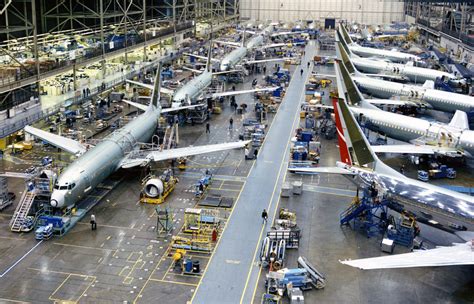
Moreover, Boeing has intensified collaboration with Spirit AeroSystems to ensure that assembly line procedures match design intent. Shared quality control metrics, third-party audits, and live system integration tests are now part of the pipeline for all future MAX deliveries.
Internally, Boeing has launched a new Safety Culture Initiative aimed at embedding long-term behavioral changes into the manufacturing environment. This includes anonymous employee reporting systems, independent compliance officers, and an executive safety accountability board.
The Regulatory Dimension: FAA Involvement and Future Mandates
The Federal Aviation Administration (FAA), already under scrutiny for past certification shortcomings, has moved swiftly to assess and approve Boeing’s door plug redesign. The FAA has indicated that the modified components will be subject to supplemental type certification (STC), which involves rigorous analysis, testing, and in-service evaluation before fleet-wide implementation.
There are growing calls within regulatory circles to make these plug safety standards mandatory across all similar aircraft. As international carriers begin retrofitting MAX 9s with the new configuration, other aviation authorities, including Transport Canada and EASA, are expected to harmonize global safety requirements around this updated design.
Industry Reception: Airlines, Pilots, and Passengers Respond
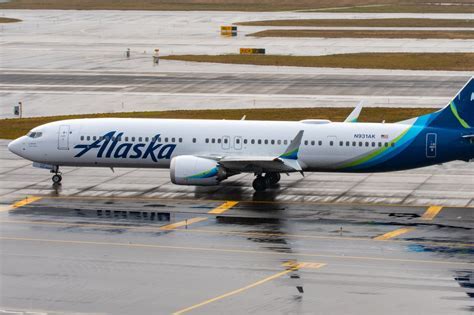
Airlines operating the MAX 9 have expressed cautious optimism about the changes. Alaska Airlines, the operator involved in the AS1282 emergency, has stated it will prioritize retrofitting all its MAX 9s with the new plugs and will provide enhanced crew briefings on the updated configuration. Other carriers, including United Airlines and Copa Airlines, have echoed support, with some hinting at accelerated rollout schedules.
The Allied Pilots Association has welcomed the improvements but cautioned that the true test lies in long-term operational integrity. “Design is only as good as its execution,” one union leader commented, emphasizing the need for line-level training and real-world reliability assessments.
Passenger advocacy groups have also weighed in, urging Boeing to publicly document all changes and conduct transparent safety audits. Some aviation watchdogs are pushing for third-party independent engineering reviews as an added layer of consumer protection.
The Bigger Picture: From AS1282 to a New Engineering Paradigm
If there’s a lesson from AS1282, it’s that small oversights in complex systems can lead to existential brand crises. For Boeing, the door plug redesign is both a technical solution and a reputational necessity. It shows that the company is finally treating secondary systems like primary hazards—a mindset shift that could have prevented earlier tragedies in the MAX lineage.
Yet, as Boeing implements these safety measures, it also must confront broader systemic reforms. The aerospace industry, now entering an era of hyper-transparency and digital scrutiny, requires manufacturers to build not only better planes—but better processes.
Conclusion: Redesign as Redemption
The redesigned 737 MAX 9 door plug marks a critical turning point in Boeing’s modern history. From new retention arms and safety lanyards to improved installation protocols, this reengineering effort directly addresses the root causes of the AS1282 incident. More importantly, it illustrates a fundamental shift in safety philosophy—one where redundancy is a necessity, not a luxury.
As regulatory agencies greenlight the upgrades and airlines begin fleet retrofitting, Boeing is charting a path to recovery, brick by brick. The MAX 9 may have stumbled, but with engineering vigilance and operational discipline, it could become a benchmark of restored confidence in commercial aviation.
Ultimately, the skies may once again be safe—but only if this lesson is etched into every rivet, every bolt, and every decision Boeing makes moving forward.