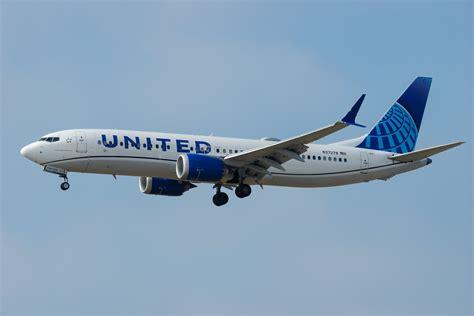
A United Airlines flight bound for Guatemala City was forced to divert to Washington Dulles International Airport after a passenger allegedly attempted to open an aircraft door and later attacked another traveler during the flight. The incident unfolded aboard United Airlines Flight UA1551 on May 21, triggering a rapid response from the cockpit crew and law enforcement authorities upon landing.
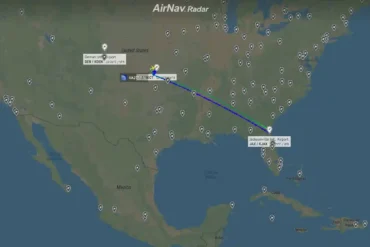
The flight had departed Newark Liberty International Airport in the evening and was operating normally during the initial climb phase. According to reports, the situation escalated roughly an hour into the journey while the Boeing 737 MAX 8 cruised above Delaware airspace. Witness accounts and flight recordings indicated that a disruptive passenger approached door 2L and allegedly attempted to interfere with it, prompting immediate concern among crew members and passengers onboard.
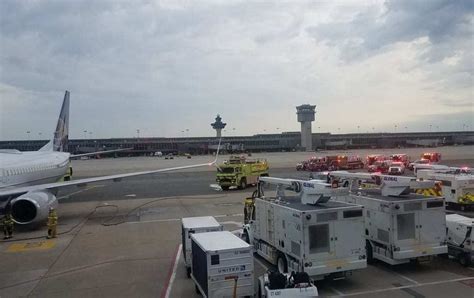
United Airlines confirmed that the crew elected to divert the aircraft “out of an abundance of caution,” a phrase commonly used within aviation when any event could potentially compromise onboard safety. The aircraft landed safely at Washington Dulles, where police officers and airport authorities met the flight and removed the individual from the plane.
The diversion transformed what should have been a routine four-hour international flight into an overnight disruption for nearly 150 passengers.
Passenger Disturbance Forces Mid-Flight Diversion
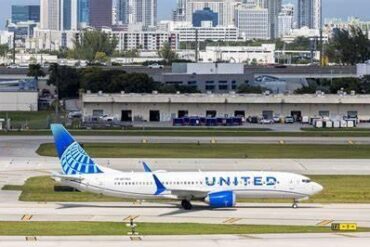
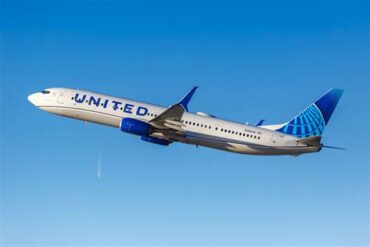
United Airlines Flight UA1551 had originally departed Newark approximately 50 minutes behind schedule at 7:24 PM. The aircraft assigned to the route was a six-year-old Boeing 737 MAX 8 registered as N37278. The service was carrying 145 passengers along with seven crew members on the nonstop route to Guatemala City’s La Aurora International Airport.
During cruise altitude, concern rapidly spread throughout the cabin after the disruptive traveler allegedly attempted to manipulate the aircraft door. Cabin crew members reportedly intervened immediately while pilots assessed the severity of the situation from the flight deck.
Commercial aviation protocol treats any interference involving aircraft doors as an extremely serious security issue, regardless of whether an actual breach is physically possible. Even unsuccessful attempts can create panic inside the cabin, distract crew members from operational duties, and escalate into violent confrontations.
The captain ultimately chose Washington Dulles International Airport as the diversion point because of its proximity and operational capability to handle the aircraft quickly and safely. The decision minimized additional airborne time while allowing federal authorities to respond immediately after landing.
Passengers onboard later described a tense atmosphere as the flight changed course unexpectedly. Although no injuries were officially reported, the emotional impact on travelers was significant, particularly for those seated near the disturbance.
United Airlines Cancels Original Service After Safe Landing
After the aircraft landed safely at Dulles, law enforcement personnel boarded the plane and escorted the disruptive passenger away. United Airlines subsequently canceled the remainder of Flight UA1551 rather than continuing onward to Guatemala City that same evening.
The airline arranged overnight hotel accommodations for affected travelers and organized a replacement service the following day. The substitute flight, operating as UA3033, departed Washington Dulles on May 22 using another Boeing 737 MAX 8 aircraft.
While the replacement service was originally scheduled for a morning departure, operational delays pushed takeoff until nearly 1:00 PM. The flight ultimately arrived in Guatemala City later that afternoon.
United’s handling of the disruption reflected standard airline procedures during serious onboard incidents. In addition to coordinating with airport police and federal authorities, airlines must also manage crew duty limitations, aircraft inspections, passenger rebooking, and logistical accommodations after unexpected diversions.
The incident also adds to a growing number of unruly passenger events that airlines worldwide have confronted in recent years. Since the pandemic era, carriers across North America have reported increased cases involving verbal abuse, physical altercations, intoxication, and interference with cabin operations.
Why Opening An Aircraft Door Mid-Flight Is Nearly Impossible
Although the allegation understandably alarmed passengers onboard, aviation experts consistently emphasize that opening a commercial aircraft door during flight is virtually impossible under normal cruising conditions.
Modern commercial airliners such as the Boeing 737 MAX 8 use plug-type doors specifically engineered to remain sealed while the cabin is pressurized. At cruising altitude, the pressure difference between the cabin interior and the outside atmosphere creates an enormous force that effectively locks the door into place.
Experts estimate that opening such a door during flight would require tens of thousands of pounds of force. Before the door can swing outward, it must first move inward against intense cabin pressure — something physically impossible for a single individual at altitude.
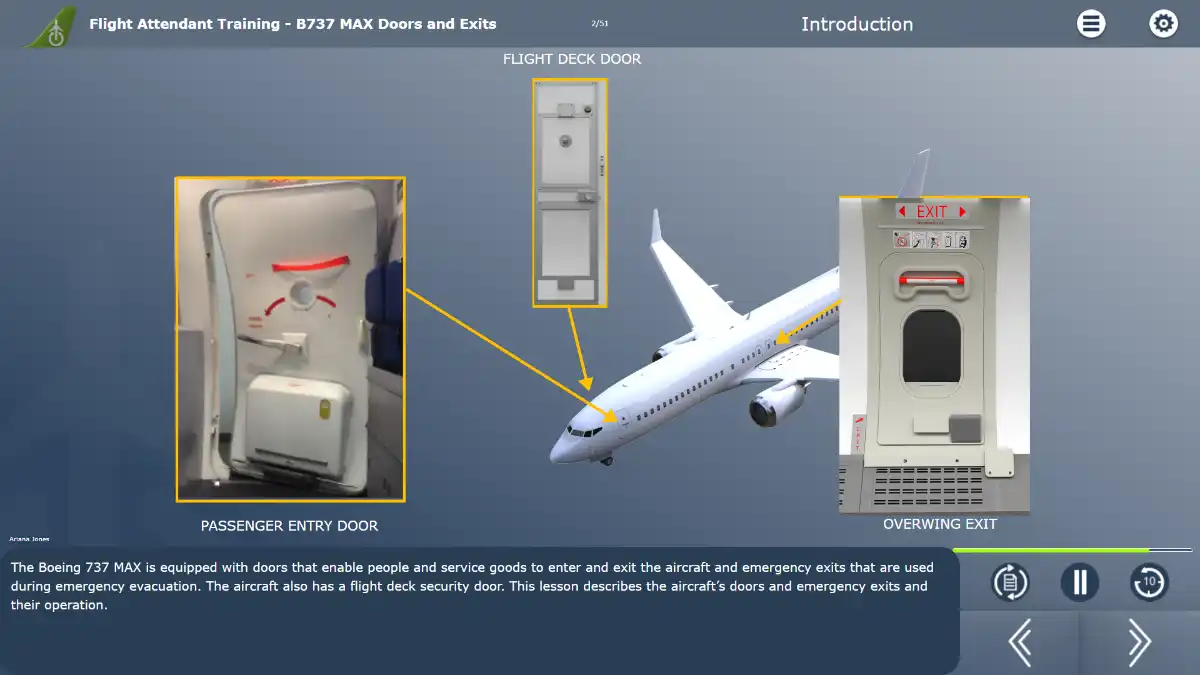
Even so, any attempt to tamper with aircraft doors immediately triggers serious concern among flight crews because of the potential safety implications and the risk of escalating violence. Crew members receive extensive training for handling disruptive passengers, including restraint procedures and cockpit security protocols.
Federal charges could now await the passenger involved in the United Airlines incident. Potential offenses may include interfering with flight crew operations, reckless endangerment, assault, and jeopardizing aircraft safety. Convictions tied to inflight disturbances can carry substantial prison sentences, heavy financial penalties, and permanent placement on aviation no-fly lists.
For passengers aboard UA1551, the event served as another reminder that even a brief moment of inflight chaos can rapidly alter an otherwise ordinary international journey.