United Airlines flight UA2078 experienced an unusual diversion late Monday night when its Boeing 737-900 was forced to land at Luke Air Force Base in Arizona after severe storms around Phoenix created a low fuel emergency. Instead of continuing to its scheduled destination at Phoenix Sky Harbor International Airport, the aircraft diverted to the military installation approximately 25 miles west of Phoenix.
The rare event highlighted the challenges airlines face when extreme weather disrupts normal airport operations. With thunderstorms, heavy rain, strong winds, and hail affecting the Phoenix area, the crew determined that reaching a commercial airport safely was becoming increasingly difficult. The decision to divert to Luke Air Force Base allowed the aircraft to land before fuel reserves became a more serious concern.
Severe Phoenix Storms Force United Flight to Declare Minimum Fuel
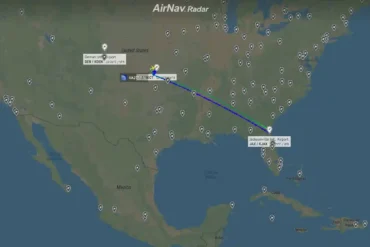
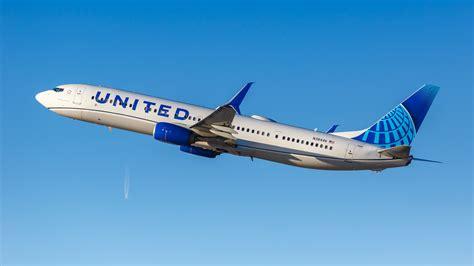
United Airlines flight UA2078 was operated by a Boeing 737-900 registered N71411 and departed from Houston George Bush Intercontinental Airport at approximately 8:11 PM local time. The aircraft was scheduled to fly west toward Phoenix Sky Harbor, carrying 154 passengers and six crew members.
As the flight approached the Phoenix region, powerful storms created significant disruptions around the airport. The aircraft entered a holding pattern southeast of Phoenix Sky Harbor while crews and air traffic controllers monitored the worsening weather situation. Holding patterns are common during airport congestion or weather events, but they require aircraft to carefully manage available fuel.
Eventually, the crew informed air traffic control that the aircraft had reached minimum fuel status. This declaration does not mean the aircraft is immediately out of fuel, but it is a formal notification that the flight cannot accept further delays and requires priority handling.
With storms continuing to affect Phoenix operations, controllers and the airline worked together to identify the safest available landing option. The decision was made to divert the aircraft to Luke Air Force Base in Glendale, Arizona.
Why Luke Air Force Base Was Chosen Instead of a Commercial Airport
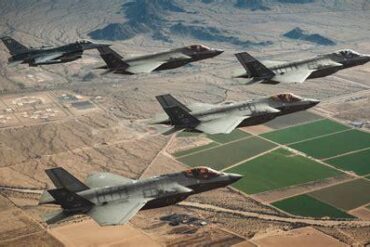
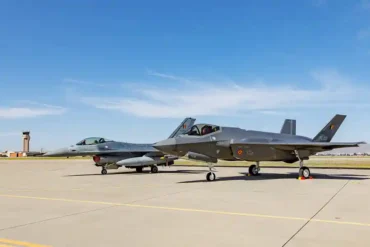
Landing a passenger aircraft at a military base is highly unusual, but in certain emergency situations, it can provide a practical solution. Luke Air Force Base is primarily known as a major training location for F-35 fighter pilots and is not designed for routine commercial airline service.
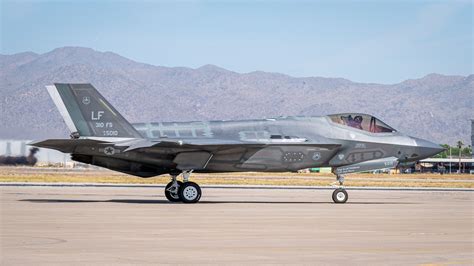
However, the base has important infrastructure that made it suitable for the emergency diversion. Its runway extends approximately 10,000 feet, providing enough length for a Boeing 737-900 to safely operate. The facility also has experienced aviation personnel and air traffic control capabilities capable of supporting the unexpected arrival.
Other nearby airports were considered, but operational limitations affected the available choices. Phoenix Goodyear Airport, located only a few miles away, is known for aircraft storage and can accommodate large aircraft. However, it was not available for the situation at that moment, leading United and air traffic controllers to select Luke Air Force Base as the safest alternative.
Because Luke is a military installation, the landing required coordination between United Airlines, civilian air traffic controllers, and the United States Air Force. Passengers could not simply exit into a normal airport terminal. Instead, United arranged ground transportation to move travelers from the base to Phoenix Sky Harbor International Airport.
Passengers Safely Complete Their Journey After Military Diversion
The diversion ended without injuries, and all passengers and crew members safely arrived at the military base. United Airlines worked with authorities to organize buses that transported passengers to Phoenix Sky Harbor, allowing them to continue their travel plans.
The aircraft itself remained at Luke Air Force Base temporarily before being repositioned to Phoenix. After returning to normal operations, the Boeing 737-900 later operated an overnight service to Newark Liberty International Airport.
United Airlines described the decision to divert as the safest course of action given the severe weather conditions. The airline also thanked the Air Force and airport teams for helping create a solution for passengers during an unexpected disruption.
Military base diversions are uncommon because commercial airlines normally rely on nearby airports equipped with passenger terminals, baggage systems, and customer services. However, situations involving severe weather, fuel limitations, or airport closures can require crews to consider every available option.
Another United Airlines Low Fuel Diversion Occurred Days Earlier
The Luke Air Force Base diversion came shortly after another United Airlines flight experienced a similar fuel-related disruption. Less than 48 hours earlier, United flight UA787 was forced to divert while traveling from Houston to Chicago O’Hare International Airport.
That flight, operated by an Airbus A321neo, encountered severe weather conditions affecting Chicago-area airports. The aircraft approached the region but eventually declared minimum fuel and diverted to Chicago Rockford International Airport.
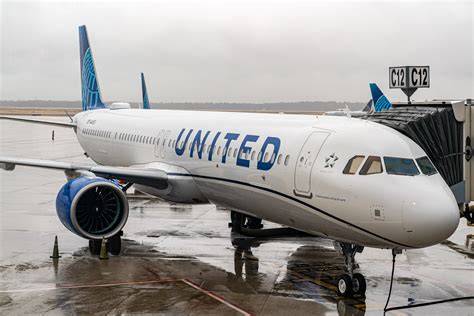
The aircraft remained on the ground at Rockford before later completing its journey to Chicago. While the circumstances were different, both incidents demonstrated how quickly severe weather can affect airline operations and force crews to make complex decisions.
Aviation Safety Depends on Timely Diversion Decisions
The United Boeing 737-900 diversion to Luke Air Force Base shows how airline operations depend on careful decision-making during unpredictable conditions. Flight crews continuously monitor fuel levels, weather patterns, airport availability, and safety margins throughout every journey.
A minimum fuel declaration is a critical communication tool that allows pilots and air traffic controllers to prioritize aircraft when conditions become challenging. It helps ensure that flights receive immediate attention before a situation develops into a more serious emergency.
Although passengers may rarely see commercial aircraft operating from military runways, events like this demonstrate the flexibility of modern aviation systems. When severe weather closes options and fuel becomes a concern, cooperation between airlines, airports, and military facilities can provide a safe solution.