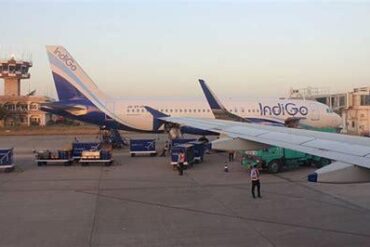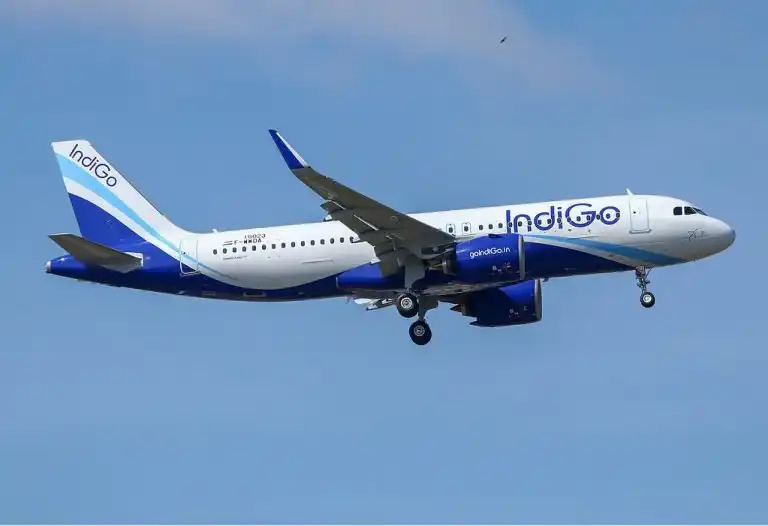
An IndiGo flight, originally scheduled to travel from Guwahati to Chennai, faced an unexpected diversion to Bengaluru after the crew reported a significant concern regarding low fuel levels mid-air. This incident, which occurred on June 20, 2025, involved approximately 168 passengers on board, who experienced delays due to the precautionary measures taken by the airline. The situation unfolded as the flight was en route, prompting the pilots to prioritize safety and redirect the aircraft to a nearby airport for refueling.
As the flight progressed, the crew’s vigilance became crucial when they assessed that the remaining fuel would not suffice to complete the journey to Chennai. In adherence to strict aviation safety protocols, the pilots made the decisive choice to land in Bengaluru, where the aircraft touched down safely. Upon landing, the passengers were kept informed about the situation, alleviating concerns as they awaited updates on their travel plans.
This event highlights the critical importance of fuel management and the adherence to safety protocols within the airline industry. Although diversions are not common, they serve as vital safety measures to ensure the well-being of passengers and crew alike. IndiGo, recognized as one of India’s leading low-cost carriers, is committed to maintaining high safety standards, and this incident is a testament to their rigorous operational protocols. The crew’s decision to divert was based on thorough assessments, showcasing their commitment to passenger safety above all else.
Following the emergency landing, the aircraft underwent a refueling process, and after a brief delay, it was set to continue its journey to Chennai. For the passengers aboard, this delay was an inconvenience; however, they were assured that their safety was the primary concern. IndiGo’s communication strategy during such incidents plays a crucial role in maintaining passenger confidence, ensuring that travelers are kept informed every step of the way.
Interestingly, on the same day, another IndiGo flight operating from Delhi to Leh was also compelled to return to its origin due to a technical malfunction. Flight 6E2006 had been airborne for over two hours when the crew identified a technical issue that necessitated returning to Delhi. The prompt decision by the pilot ensured that the aircraft landed safely, with no injuries reported among the passengers. This situation mirrors the importance of preparedness in the aviation sector, where both technical issues and fuel management can impact flight operations.
In an unrelated incident occurring the same day, an Air India flight traveling from Delhi to Ho Chi Minh City was diverted back to Delhi after an issue arose shortly after takeoff. Such occurrences emphasize that while disruptions may be unsettling for passengers, they reflect the airlines’ commitment to prioritizing safety above all else. Each of these incidents underscores the rigorous training and protocols that airlines implement to manage potential risks effectively.
The aviation industry is continuously evolving, with airlines investing in improved training programs for pilots and crew members to minimize technical malfunctions and enhance overall safety. Despite the rarity of such events, they serve as important reminders of how prepared airlines must be to respond swiftly and efficiently to safeguard the lives of those onboard. The actions taken during the recent IndiGo flight incident illustrate the airline’s dedication to ensuring that passenger safety remains the highest priority, even amidst unforeseen challenges.
In conclusion, while travel disruptions such as those experienced by passengers on the IndiGo flight from Guwahati to Chennai may cause inconvenience, they ultimately reinforce the significance of safety protocols in aviation. The proactive measures taken by the flight crew demonstrate the industry’s commitment to upholding the highest standards of safety and care for all passengers. As travelers, it is essential to recognize that the aviation industry is equipped to handle emergencies effectively, ensuring that safety is never compromised, regardless of the circumstances.