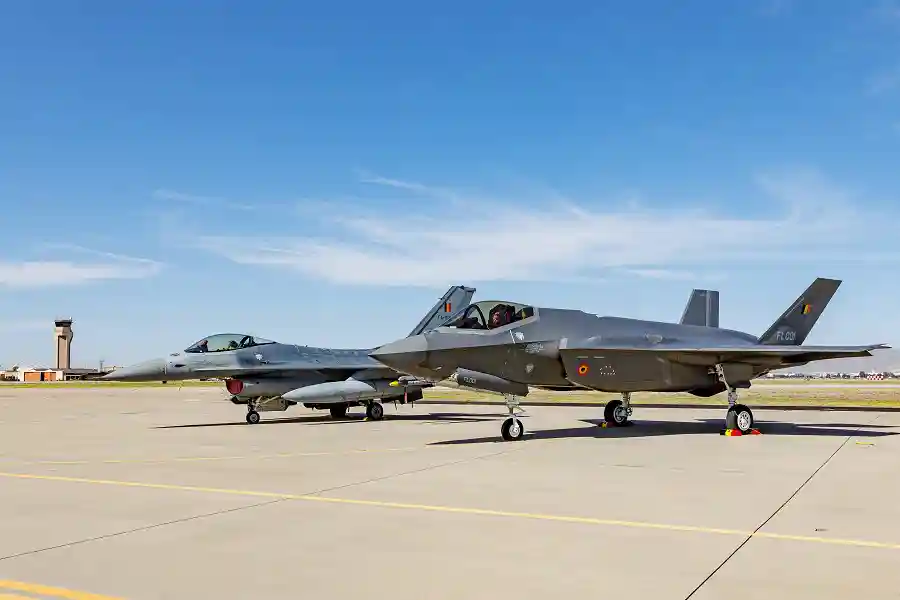
Belgium’s top military officer, General Frederick Vansina, made a high-level visit to Luke Air Force Base (AFB) in Arizona on June 18, 2025, spotlighting the intensifying cooperation between NATO allies in the field of F-35 Lightning II fighter pilot training. The visit was hosted by the 312th Fighter Squadron under the command structure of the 56th Fighter Wing, a globally significant unit dedicated to training the next generation of combat-ready fifth-generation fighter pilots.
The visit underscored a broader strategic alignment between the Belgian Armed Forces and the U.S. Air Force, reflecting shared goals of interoperability, technology transfer, and tactical readiness. With Belgium among the international operators of the F-35A variant, the occasion served as a platform for strengthening defense diplomacy and assessing the operational synergy of multinational training programs.
Luke AFB: A Strategic Nexus for International F-35 Training
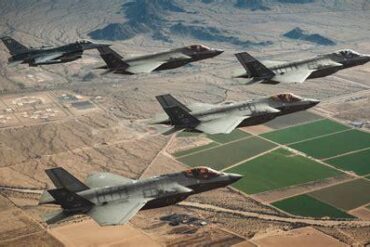
Located in Maricopa County, Luke AFB serves as the world’s largest F-35 training base, with a multi-national footprint that includes pilots from Norway, Italy, Japan, Netherlands, and now Belgium. The 56th Fighter Wing, which commands the 312th Fighter Squadron, has evolved into a critical engine for global F-35 pilot production, offering cutting-edge simulation, flightline experience, and mission-specific instruction.
During his tour, Gen. Vansina was briefed on Luke’s operational blueprint, focusing heavily on air traffic control integration and flightline logistics. He personally engaged with air traffic controllers to understand the technical nuances of coordinating high-density sorties involving fifth-gen aircraft. This was followed by in-depth discussions with maintainers and operational staff who form the backbone of F-35 sortie generation and readiness cycles.
“The professionalism and precision I witnessed—from the tower to the tarmac—reflect an extraordinary level of commitment,” Gen. Vansina stated. “This visit enhances our understanding of what it takes to shape combat-ready Airmen and strengthens the alliance between our two nations.”
Enhancing Interoperability through Shared Training Doctrine
Brigadier General David Berkland, commander of the 56th Fighter Wing, emphasized the mutual strategic advantage that such visits offer to coalition air forces. By aligning training standards and mission philosophies, NATO and allied air forces improve their ability to conduct joint air operations under unified command structures.
“Hosting General Vansina reaffirms our dedication to mutual defense and shared tactical advancement,” Berkland remarked. “The integration of Belgian Air Force personnel into our training pipeline contributes to our vision of seamless multinational airpower.”
The visit also featured a classified briefing on mission planning protocols, live-fire simulation technology, and the use of Autonomic Logistics Information System (ALIS) and its successor Operational Data Integrated Network (ODIN)—critical platforms that ensure aircraft readiness and streamline data-sharing among partner nations.
Belgian F-35 Integration: Preparing for Home-Based Operations
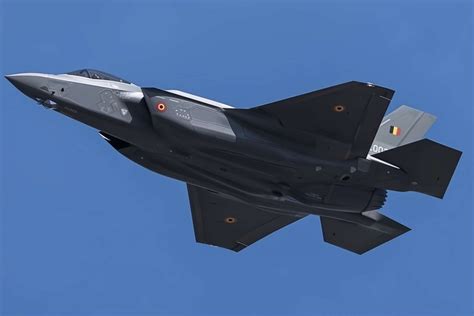
Belgium has committed to acquiring 34 F-35A Lightning II aircraft, with initial deliveries expected in 2026. The visit to Luke AFB comes at a time when the Belgian Air Component is actively preparing for home-based integration of the aircraft at Florennes Air Base and later Kleine Brogel Air Base.
The Belgian Ministry of Defence has prioritized not only pilot training but also the preparation of ground crews, engineers, and mission planners to accommodate the complex ecosystem of fifth-generation combat operations. Training partnerships like those with Luke AFB are seen as instrumental in accelerating Belgium’s operational F-35 capabilities.
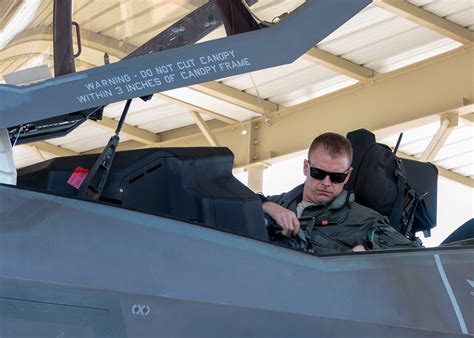
General Vansina’s interactions with Luke AFB’s maintainers shed light on the multi-disciplinary approach required to manage a fifth-generation fleet—from low-observable (stealth) coating maintenance to next-gen avionics diagnostics.
Fostering Tactical Synergy and Future Expansion
Luke AFB’s hosting of Belgian officials is part of a broader initiative to welcome key partners and future F-35 operators. Previous visits have included delegations from Finland, Switzerland, and Singapore, all of whom are in various stages of F-35 procurement or pilot training agreements.
What sets the 312th Fighter Squadron apart is its emphasis on tactical realism, using real-world scenarios and dynamic threat simulations to replicate contested environments. This allows foreign trainees to gain exposure not just to the aircraft, but to the philosophy of American airpower projection, which emphasizes flexibility, initiative, and rapid execution.
Strengthening Coalition Warfare through Human Connections
Beyond the cockpit and command centers, the visit placed strong emphasis on relationship-building at the human level. Gen. Vansina met with Belgian pilots currently embedded at Luke AFB and held informal dialogues with American Airmen, sharing experiences and perspectives on modern air combat challenges.
These personal interactions go a long way in strengthening trust and fostering mutual understanding—elements that are crucial in coalition warfare, where success often hinges not just on hardware but on coordination, camaraderie, and shared mission ethos.
The Belgian Chief of Defence also had the opportunity to observe a multinational live training sortie, during which U.S. and allied pilots executed synchronized attack runs, close air support maneuvers, and precision engagement drills under simulated electronic warfare conditions.
Technological Immersion and Capability Insights
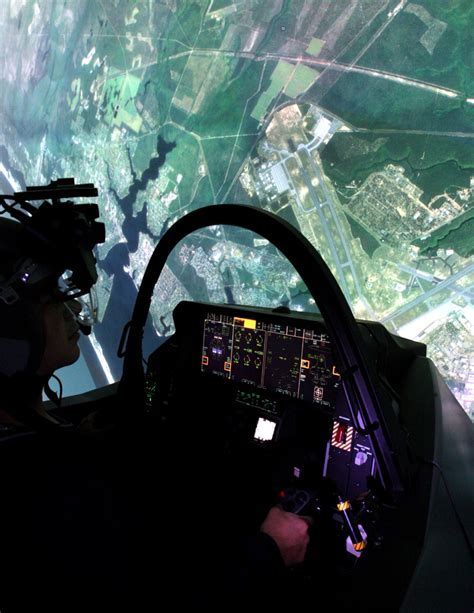
A key highlight of the visit was a technology immersion segment, where Gen. Vansina was given an operational overview of Luke AFB’s Integrated Training Center (ITC). This facility houses advanced F-35 simulators, electronic warfare labs, and mission rehearsal units designed to offer full-spectrum pilot development.
Luke AFB instructors also showcased real-time mission debrief tools, which use telemetry and HUD (Heads-Up Display) recordings to conduct detailed after-action reviews. These features are essential for maintaining constant feedback loops and promoting pilot adaptability in evolving threat environments.
A Model of Allied Defense Collaboration
General Vansina’s visit to Luke AFB represents a blueprint for how allies can integrate more deeply into shared defense ecosystems. As global security dynamics shift and adversaries adopt hybrid and asymmetric tactics, building a tightly coordinated allied air force becomes not a luxury, but a strategic necessity.
For Belgium, the visit solidifies its role as an engaged NATO contributor with a growing emphasis on strategic autonomy within collective defense frameworks. For the United States, it reinforces the value of maintaining world-class training environments that are open and adaptable to its most trusted partners.
In the long term, these engagements are expected to translate into more frequent joint exercises, intelligence-sharing frameworks, and tactical data-link alignment, all of which will contribute to a more agile and interoperable allied air force structure.
Conclusion: Precision, Partnership, and Projection
As the world enters an era of accelerated air combat innovation, Luke AFB continues to serve not just as a schoolhouse but as a strategic force multiplier. The Belgian Chief of Defence’s visit reinforces a shared vision for air dominance rooted in joint readiness, technological fluency, and operational trust.
With Belgium’s F-35 program poised for full-spectrum rollout in the coming years, the groundwork laid during this visit will shape future engagements across continents and conflicts. Luke AFB remains a symbol of what is possible when coalition partners invest in not only machines—but in mutual respect, technical excellence, and a shared mission for global stability.