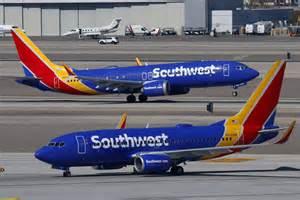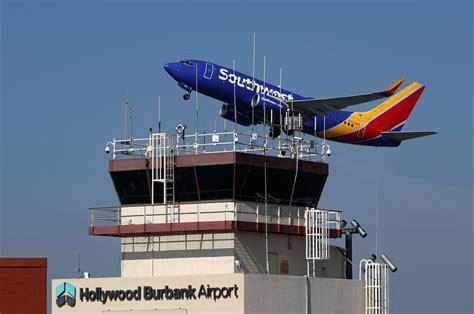
A federal lawsuit has been filed against Southwest Airlines after a Black woman claimed she was unfairly removed from a flight due to racial discrimination, marking the third major race-related lawsuit against a U.S. airline this year. The plaintiff, Dr. Briana Hicks, alleges that she was publicly berated and ultimately ejected from the plane after a white flight attendant singled her out during a pre-flight safety briefing.
The Alleged Incident That Led to the Lawsuit
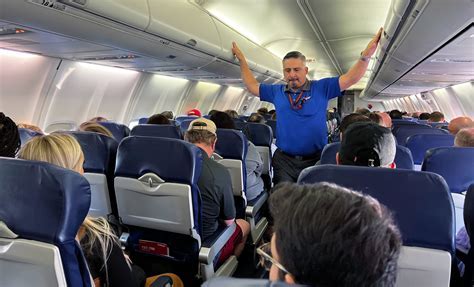
According to court filings, Dr. Hicks boarded Southwest Flight 952 on November 20, 2023, at Chicago Midway International Airport, en route to Ronald Reagan Washington National Airport. She was seated in the exit row when a flight attendant began conducting the mandatory emergency procedure briefing. Dr. Hicks stated that she had just switched her phone to airplane mode and placed it face-down on her lap. Despite this, she claims the flight attendant loudly demanded she put her phone away, while ignoring other passengers in the same row who were actively using their phones and laptops.
Witnesses reportedly intervened, with one white passenger questioning why Dr. Hicks was being singled out as the only Black passenger in the row. This briefly de-escalated the situation, but the conflict reignited later in the boarding process.
In her statement, Dr. Hicks described the experience as “painful and humiliating,” adding:
“Being singled out for mistreatment based on my race was painful enough; enduring that discrimination on top of being publicly removed from a flight and having my entire travel schedule derailed was almost unbearable.”
Removal From the Aircraft and Immediate Fallout
After the confrontation, Dr. Hicks approached two other flight attendants at the rear of the aircraft to report the behavior. They informed her that there was little they could do about their colleague’s actions. As she attempted to return to her seat, the original flight attendant confronted her in the aisle and informed her that she would have to leave the aircraft.
Dr. Hicks was removed from the flight and rebooked on a later departure, ultimately arriving in Washington, D.C., four hours behind schedule. At the airport, she attempted to report the incident to Southwest supervisors but was instead directed to submit her complaint through the airline’s online portal.
When the airline responded to her complaint, it defended its crew’s actions, claiming Dr. Hicks “failed to adhere to orderly rules of conduct while onboard, thereby disturbing the good order and discipline on the aircraft.” The letter further cited the company’s right to refuse service to any passenger who refuses to obey crew instructions or engages in behavior deemed disorderly or confrontational.
Pattern of Racial Discrimination Claims Against U.S. Airlines
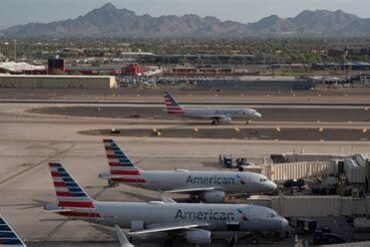
This case marks the third high-profile racial discrimination lawsuit filed against a major U.S. airline in 2024. In January, a mixed-race couple sued American Airlines after the Black husband was wrongfully accused of sex trafficking his white wife during their honeymoon flight to Florida. The couple alleges they were subjected to wrongful detention and humiliation before being released.
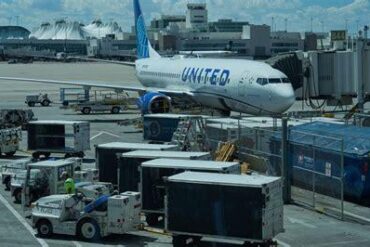
Similarly, in June, four Asian-American women filed a joint lawsuit against United Airlines, alleging racial profiling and discrimination after being forcibly removed from a flight. One plaintiff claimed she was mistaken for another Asian passenger, and when her colleagues defended her, all four were escorted out of the airport by police.
These lawsuits highlight growing concerns about racial profiling and bias within the airline industry, sparking public debate and increased scrutiny of airline crew training and passenger treatment policies.
Southwest Airlines’ Response and Possible Legal Strategies
Southwest Airlines has not issued a detailed public comment on the pending litigation but has maintained its stance that Dr. Hicks engaged in behavior disruptive to the flight. Given the negative publicity surrounding such cases, legal experts speculate that Southwest may consider a confidential settlement to avoid a protracted trial and additional reputational damage.
Industry analysts note that while Southwest Airlines has cultivated a public image of being customer-friendly, such lawsuits challenge that narrative and could lead to calls for stricter oversight. Federal regulators may also face pressure to review airline policies for handling passenger disputes to prevent discriminatory practices.
Broader Implications for the Airline Industry
This case underscores a growing legal trend: more passengers are taking airlines to court over alleged discriminatory treatment. Airlines, in turn, must strike a balance between ensuring in-flight safety and fairly enforcing rules without disproportionately targeting passengers based on race or ethnicity.
Civil rights advocates have urged airlines to implement comprehensive bias training for flight crews and to create transparent complaint-handling procedures for incidents involving allegations of racial profiling.
Looking Ahead
As the lawsuit progresses, it could set a precedent for how racial discrimination claims against airlines are adjudicated in federal courts. Dr. Hicks is seeking both compensatory and punitive damages, signaling that this case is not just about personal redress but also about pushing for systemic change within the airline industry.
The outcome of this lawsuit may shape how U.S. carriers handle passenger disputes in the future, particularly when allegations of racial discrimination are involved. If successful, Dr. Hicks’s case could open the door for more passengers to hold airlines accountable for perceived discriminatory practices.
For now, Southwest Airlines faces the challenge of defending its actions in court while maintaining customer trust amid growing public scrutiny of how airlines treat minority passengers.