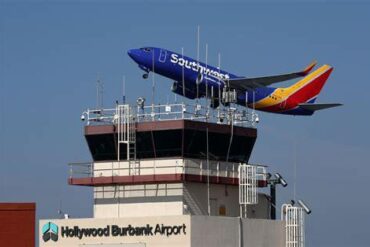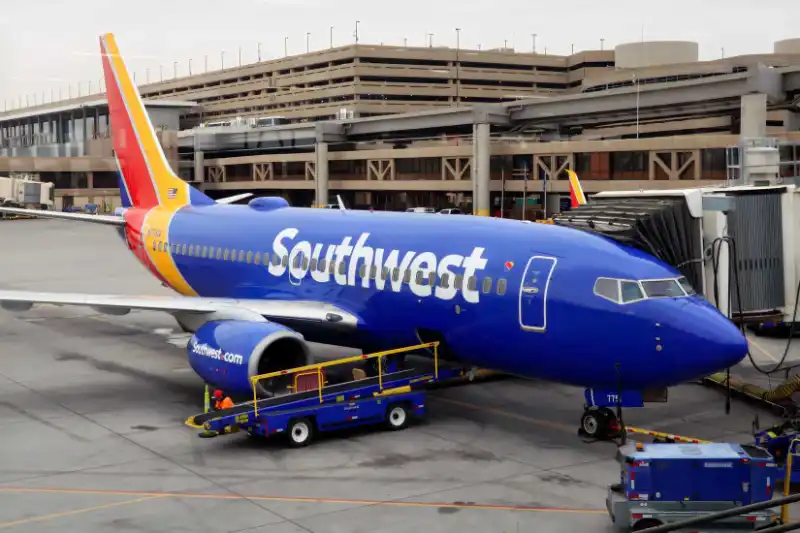
A 20-year-old passenger has filed a lawsuit against Southwest Airlines after alleging that the carrier failed to protect her from an intoxicated and unruly passenger during a 2024 flight from Seattle-Tacoma International Airport to Sacramento International Airport. The case raises questions about airline responsibility, crew training, and the legal obligations carriers have when dealing with potentially dangerous behavior inside the aircraft cabin.
The incident reportedly occurred on Southwest Flight 3548 on August 20, 2024. According to the allegations, the woman was seated beside a 39-year-old male passenger, identified as Jeff Lorenzo, who was traveling with a coworker. The lawsuit claims that Lorenzo boarded the aircraft while showing signs of intoxication, yet he was allegedly served additional alcoholic beverages after takeoff.
During the approximately two-hour flight, the passenger alleges that Lorenzo repeatedly touched her without consent. She claims that the experience caused significant emotional distress and physical harm, and she is now seeking compensation through legal action against both Lorenzo and Southwest Airlines.
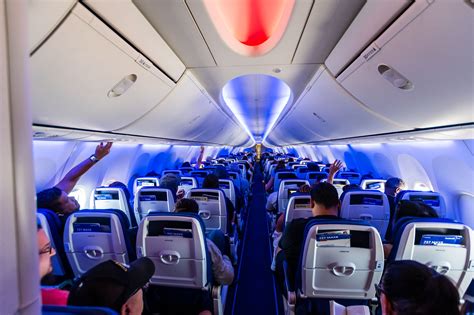
Southwest Airlines Lawsuit Claims Airline Failed To Protect Passenger
The lawsuit accuses Southwest Airlines of negligence and gross negligence, arguing that the airline did not properly identify the risks posed by an intoxicated passenger or take sufficient action to prevent the alleged misconduct. The claim states that Southwest employees should have recognized warning signs before and during the flight.
The legal filing argues that the airline failed to adequately train employees on how to identify intoxicated individuals, respond to inappropriate behavior, and enforce safety procedures designed to protect passengers. The lawsuit also alleges that Southwest did not follow federal aviation rules regarding intoxicated travelers.
Meanwhile, Lorenzo is facing separate claims involving negligence, assault, and battery. He previously pleaded guilty to simple assault in the U.S. District Court for the Eastern District of California. Prosecutors recommended a sentence involving 30 days in prison followed by 18 months of probation.
Southwest has declined to comment on the allegations because the matter is currently involved in litigation. The airline will now face a legal review of whether its employees acted appropriately before and during the flight.
Federal Rules On Intoxicated Passengers And Airline Duties
The case highlights existing regulations governing how airlines must handle passengers who appear intoxicated. Under FAA regulations, airlines are prohibited from allowing visibly intoxicated individuals to board aircraft. These rules are designed to prevent situations where impaired passengers may become disruptive or create safety concerns.
Airlines also have strict responsibilities once a flight is underway. Flight attendants are not permitted to continue serving alcohol to passengers who appear intoxicated, and cabin crews are expected to monitor passenger behavior throughout the journey.
If a passenger becomes threatening, disruptive, or unable to follow crew instructions, airline personnel have authority to intervene. In serious cases, the aircraft captain may decide to divert the flight to another airport where law enforcement can remove and assist the passenger.
A Legal Test For Airline Passenger Safety Responsibilities
The lawsuit against Southwest will likely focus on whether the airline’s employees had enough information to recognize the potential danger and whether reasonable steps could have prevented the alleged assault. Courts often examine whether a company followed established safety procedures and whether employees responded appropriately under the circumstances.
For airlines, maintaining passenger safety involves more than aircraft operations and emergency procedures. Carriers are also responsible for managing human behavior inside the cabin, where limited space and long flight durations can increase the impact of disruptive conduct.
The aviation industry has faced growing attention regarding unruly passenger incidents, particularly as airlines continue to balance customer service with safety enforcement. Flight attendants receive training to handle conflicts, medical emergencies, and security-related concerns, but lawsuits such as this one examine whether those measures are sufficient.
Southwest Faces Scrutiny Over Inflight Passenger Protection
The outcome of the case could have broader implications for how airlines approach intoxicated passengers and cabin safety policies. If the court finds that Southwest failed to meet its responsibilities, the decision could encourage airlines to strengthen employee training and improve procedures for identifying risky situations.
For passengers, the case highlights the importance of airline intervention when inappropriate behavior occurs onboard. Aircraft cabins are controlled environments where passengers rely heavily on flight crews to maintain safety and respond quickly when problems emerge.
As the lawsuit moves forward, the central question will be whether Southwest Airlines took reasonable steps to protect the passenger during the flight. The legal process will determine whether the airline bears responsibility for the alleged failures and what compensation may be awarded.