The Department of Transportation (DOTr) in the Philippines is moving decisively to address what it describes as an alarming case of price manipulation by AirAsia Move, the travel booking platform affiliated with the AirAsia Group. This high-profile case revolves around accusations that the platform sold airline tickets for Tacloban-Manila flights at rates deemed “unreasonably high”, raising serious concerns about profiteering during a regional transportation crisis.
AirAsia Move Accused of Overcharging Amid Tacloban Transport Crisis
Transportation Secretary Vince Dizon confirmed that the government is finalizing a criminal complaint against AirAsia Move, targeting it for economic sabotage. The decision follows a mounting number of complaints, most notably from Leyte 4th District Representative Richard Gomez and Ormoc Mayor Lucy Torres-Gomez, who together paid a staggering ₱77,704 for roundtrip tickets from Tacloban to Manila. Each ticket cost nearly ₱40,000 — a price they discovered was significantly higher than the standard fare on the Philippine Airlines (PAL) website, which would have only amounted to ₱49,507 total.
The price discrepancy has prompted the DOTr to issue a cease and desist order against the Malaysia-headquartered booking platform on May 26, in what could mark the beginning of a broader crackdown on predatory pricing across online travel agencies. The department, in coordination with the Philippine National Police – Anti-Cybercrime Group (PNP-ACG), is now working to disable the AirAsia Move website, which authorities believe has victimized multiple consumers beyond the prominent political couple.
Legal Fallout and Expanded Investigations Underway
Dizon announced during a press conference that the Civil Aeronautics Board (CAB) and the DOTr aviation group were directed to immediately pursue a criminal economic sabotage case against the platform.
“Clearly, this is just absurd and … actually criminal,” Dizon said, expressing outrage at the exploitative pricing model.
The legal rationale for economic sabotage stems from Article 122 of the Revised Penal Code, which categorizes predatory commercial practices that endanger national interest during times of crisis as a punishable offense.
Moreover, Dizon emphasized that the platform was listing prices that were three times higher than other airlines, noting that typical one-way fares from Tacloban to Manila were around ₱12,000, while AirAsia Move listings reached ₱40,000.
Connection to San Juanico Bridge Crisis
The timing of this controversy is crucial. The overcharging incident unfolded shortly after restrictions were imposed on the San Juanico Bridge, a 2.16-kilometer vital connection between Leyte and Samar. On May 15, authorities began enforcing a 3-ton load limit on the 53-year-old bridge, effectively barring heavy trucks and buses. This created an immediate logistical bottleneck, with travel in and out of Tacloban becoming more difficult and costly.
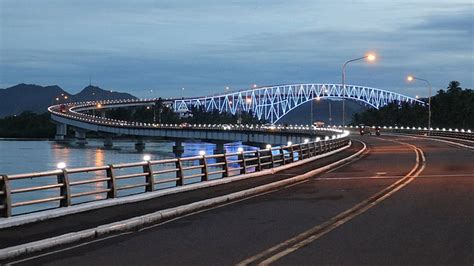
Dizon suggested that AirAsia Move was taking advantage of this infrastructure emergency, exploiting the surge in demand for flights caused by reduced ground transportation. He criticized the opportunism behind the inflated prices, describing it as a deliberate attempt to capitalize on public hardship.
“There is clearly a crisis there because the movement of goods and people has been affected by the partial closure of San Juanico to heavy vehicles… they are taking advantage of the situation,” he said.
More Complaints Surface From National Agencies
In addition to the Gomez couple, Undersecretary Ariel Nepomuceno, Executive Director of the Office of Civil Defense (OCD), submitted a formal letter documenting similar grievances regarding exorbitant ticket prices being sold via AirAsia Move. These accumulating complaints have widened the investigation’s scope and added institutional pressure to act swiftly.
Dizon revealed that beyond Tacloban, the DOTr is now reviewing multiple online travel platforms for similar patterns of potential overcharging. This expansion signifies a more comprehensive policy response aimed at curbing digital profiteering, especially during times of infrastructure distress or emergencies.
AirAsia Group Distances Itself From Booking Platform
When questioned about AirAsia’s involvement in the matter, Secretary Dizon clarified that the multinational airline itself is not the direct party responsible. Instead, the blame falls squarely on AirAsia Move, a separately managed online booking platform that merely shares an affiliation with the airline group.
This distinction is crucial from a legal perspective. It may help insulate AirAsia’s core aviation operations from reputational fallout, even as its brand is now under scrutiny in the Philippines. Nevertheless, such branding overlap could raise questions about corporate governance, consumer transparency, and digital marketplace accountability.
The Bigger Picture: Digital Travel Platforms Under the Microscope
This case also draws attention to a growing concern within the global travel industry: the lack of price regulation and oversight among third-party online booking sites. These platforms, while offering convenience, can sometimes exploit dynamic pricing algorithms, supply shortages, or emergency situations to justify artificial inflation of fares.
In the Philippines, where domestic travel is highly sensitive to regional disruptions, such unchecked pricing practices could quickly spiral into national crises. This is especially concerning in the context of calamities, pandemics, or natural disasters — all of which strain transportation infrastructure and elevate demand.
The DOTr’s move to aggressively prosecute AirAsia Move may therefore serve as a test case — and potentially a precedent — for regulating digital travel commerce, especially under emergency law frameworks.
Policy Implications and the Path Forward
The DOTr’s actions signal a more proactive stance in safeguarding consumer protection in aviation commerce. It sets a clear tone that exploitation during crises will not be tolerated, particularly when public mobility and access to essential goods and services are at stake.
Should the economic sabotage case succeed, it could pave the way for:
- Stricter accreditation rules for online travel agencies operating in the Philippines
- Real-time monitoring systems to flag unusually high fare prices
- Stronger inter-agency collaboration between DOTr, CAB, OCD, and law enforcement
Moreover, it highlights the urgent need for clear disclaimers and pricing transparency mechanisms within affiliate platforms like AirAsia Move, to prevent consumers from being misled by indirect sales channels.
Public Reaction and Political Undertones
Public sentiment has been largely supportive of the DOTr’s decisive approach, with social media users expressing outrage over the pricing abuse and demanding accountability. Yet some political analysts caution that the high-profile nature of the complainants — both Gomez and Torres-Gomez are celebrities-turned-politicians — may also color public interpretation of the urgency shown by authorities.
Nonetheless, the case appears to have bipartisan support. Legislators across party lines have started calling for public hearings, with some suggesting a Congressional inquiry into online booking practices affecting Filipinos during emergencies.
Conclusion: A Reckoning for Digital Travel Commerce
As the investigation unfolds and legal proceedings progress, the AirAsia Move economic sabotage case may reshape the future of how travel platforms operate in the Philippines. More than a simple case of overpricing, it challenges the very ethics of profit in crisis and the role of government in moderating digital marketplaces. If nothing else, it puts every online travel agency on notice: when public welfare is at risk, opportunism has legal limits.