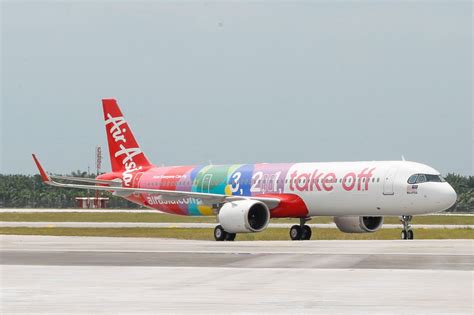
In the wake of mounting scrutiny from Philippine regulators, AirAsia MOVE, the digital travel services arm of Malaysia-based Capital A Bhd, has firmly denied allegations of price manipulation and fare overpricing following a controversial order by the Civil Aeronautics Board (CAB) suspending its ticket sales in the country. The incident has not only rattled stakeholders in the regional aviation sector but also placed a spotlight on the opaque dynamics of online travel agency (OTA) pricing systems.
Regulatory Storm Over Fare Discrepancies
The trigger point for the suspension order stemmed from consumer complaints regarding allegedly exorbitant fares—particularly on a route involving Tacloban, a key domestic destination in the Philippines. Regulators flagged the fare as potentially inflated beyond acceptable thresholds, igniting a swift response from authorities and triggering a cease and desist order against MOVE’s ticket sales.
According to CAB, airline ticket pricing in the Philippines is governed under strict fare ceilings designed to protect consumers from predatory or speculative fare models. Any deviation from the approved fare matrix, whether direct or algorithmically generated, prompts regulatory examination. The CAB’s intervention in this case suggests that even third-party platforms must remain vigilant against anomalies, regardless of their source.
MOVE’s Defense: No Manual Intervention, No Foul Play
In response to the allegations, MOVE CEO Nadia Omer issued a comprehensive statement refuting any wrongdoing, emphasizing the automated nature of MOVE’s pricing engine. According to Omer, MOVE does not set fares internally nor adjust them manually. Instead, the platform functions as a conduit, sourcing prices directly from third-party aggregators that are contractually linked to various airlines.
“We want to clarify that online travel agencies (OTAs) such as MOVE act merely as marketing arms or platforms for suppliers, and not as price setters,” Omer said. “All fares displayed on our platform are fed to us via aggregators or airline partners.”

The Role of Aggregators in Fare Distribution
The third-party aggregators at the heart of this controversy are intermediaries who aggregate fares across multiple airline providers and distribute them to OTAs. These entities typically operate on a bulk distribution or API model, which integrates fare information directly into the OTA interface. This automated chain leaves little room for discretionary changes at the OTA level.
Omer clarified that any fare anomaly, such as the inflated price in question, originates from the supplier or airline side. MOVE, upon being alerted by the CAB, quickly investigated the matter, confirming that no transactions had occurred and no customers had been charged the flagged fare.
“We took immediate action by notifying the third-party supplier responsible for the fare and requested its removal,” Omer explained. “Moreover, we asked the supplier to submit a written explanation to shed light on the issue.”
Public Scrutiny Without Profit
Interestingly, the controversy has sparked intense public backlash against MOVE despite the company asserting that it had gained no financial benefit from the disputed fare. Omer noted that the company earned no commission, nor did it record a completed booking associated with the fare.
“Other than the damage to our brand reputation and the subsequent public scrutiny, MOVE did not financially profit from the fare in question,” she stated.
Reaffirming Consumer Protection and Regulatory Collaboration
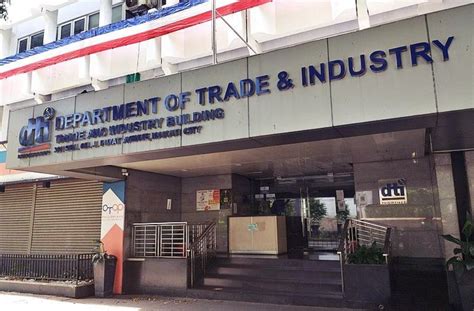
MOVE has since pledged to deepen its collaboration with Philippine regulators, especially the Department of Trade and Industry (DTI) and the Department of Tourism (DOT). Although CAB monitors airfares, it is the DTI that typically handles pricing-related complaints on OTA platforms.
“As a company that upholds consumer protection as a core value, MOVE is committed to working hand-in-hand with the government to establish industry-wide safeguards and transparent pricing protocols,” said Omer. She proposed forming a task force to scrutinize third-party supply chains and ensure price parity across platforms.
A Broader Look at OTA Regulation in Southeast Asia
This episode opens up a broader debate about the role of OTAs in fare determination across Southeast Asia, where tourism has rebounded post-pandemic, and online booking platforms are experiencing rapid growth. With increasing digital penetration and reliance on mobile-first travel planning, platforms like MOVE are often consumers’ first point of contact.
Yet the regulatory frameworks in many ASEAN countries, including the Philippines, have not fully caught up with the complexity of OTA aggregator relationships. There exists a regulatory gray area when it comes to assigning responsibility for fare transparency, especially when intermediaries like aggregators are involved.
The Question of Fair Pricing and OTA Accountability
What this controversy underscores is the urgent need for systemic clarity regarding OTA accountability. While MOVE insists it merely displays prices passed down from upstream suppliers, public perception often holds OTAs liable for any price displayed on their platform. This disconnect between technical responsibility and consumer expectation makes platforms like MOVE vulnerable to reputational damage even in cases where they are not at fault.
Experts suggest that greater price traceability and fare audit tools could help bridge this gap. Mandating OTAs to disclose sourcing pathways for displayed fares—whether directly from airlines or through intermediaries—could help defuse public criticism and build trust.
From Crisis to Reform: MOVE’s Proposed Industry Task Force
Recognizing the implications of this incident, MOVE has proposed the creation of a multi-agency task force to regulate pricing transparency among OTAs and third-party suppliers. Omer emphasized the importance of striking a balance: “While monitoring and oversight are essential, regulators must also support the economic role OTAs play in expanding travel accessibility.”
“We urge the government to adopt a balanced regulatory approach that safeguards consumers while enabling OTAs to function as vibrant participants in the tourism ecosystem,” she added.
Democratizing Travel vs. Regulatory Constraints
At the heart of MOVE’s defense is a fundamental principle that resonates across its parent company Capital A’s philosophy: the democratization of travel. By aggregating a wide variety of fare options from diverse suppliers, MOVE aims to serve a broader demographic—especially budget-conscious travelers in Southeast Asia.
However, if regulation tightens indiscriminately without clear frameworks distinguishing OTA responsibilities from aggregator or airline obligations, the very mission to make travel more inclusive may come under threat.
Conclusion: Turning Scrutiny into Strategy
While the CAB’s suspension order was a regulatory flashpoint, it may also become a catalyst for sector-wide reform. The MOVE case reveals a significant blind spot in public understanding and regulatory oversight of OTA pricing ecosystems. It presents an opportunity to enhance the transparency, traceability, and consumer protections that modern travel demands.
With its proactive stance, willingness to cooperate with authorities, and calls for structural reform, MOVE may yet turn this crisis into a strategic inflection point—one that prompts ASEAN governments and digital travel platforms to develop a cohesive framework for the next phase of online tourism.
The final verdict remains to be seen, but one fact is clear: AirAsia MOVE has staked its credibility on full transparency and regulatory compliance, a stance that may shape the future of OTA operations in Southeast Asia for years to come.