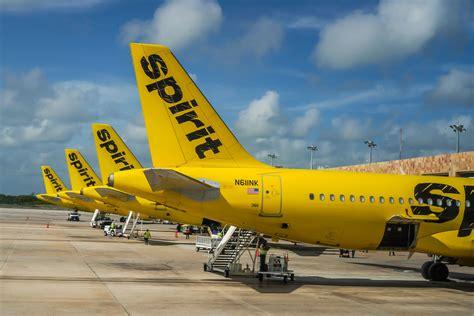
Spirit Airlines is making headlines after a recent incident at Miami International Airport, where a passenger was denied boarding due to her choice of attire. Tanasia Grayer, who attempted to board a flight on July 16, 2025, from Miami to Chicago, was informed by an airline employee that her shorts were deemed ‘too short’ and therefore inappropriate for travel. This encounter not only shocked Grayer but also ignited discussions surrounding the airline’s dress code policies.
In a bewildering twist, Grayer had previously flown in the same outfit from Chicago to Miami earlier that day without any issues. Her confusion intensified as she faced outright denial from Spirit staff, raising questions about the consistency of the airline’s dress code enforcement. To complicate matters further, the situation escalated to the point where Grayer’s sister was arrested during the confrontation. Images of Grayer in her shorts quickly circulated on social media, highlighting the broader implications of the airline’s stringent dress code policies.

Spirit’s Dress Code Policy: A Closer Look
Spirit Airlines, a low-cost carrier known for its budget-friendly fares and less-than-stellar customer service reputation, instituted a stricter dress code policy in January 2025. This new policy, incorporated into the airline’s Contract of Carriage, explicitly details the clothing restrictions imposed on passengers. According to the guidelines, individuals are prohibited from boarding if they are “barefoot” or “inadequately clothed.” The term “inadequately clothed” encompasses clothing that is see-through, does not sufficiently cover certain body parts, or displays lewd, obscene, or offensive language or imagery.
This policy was implemented following several incidents where passengers were removed from flights for wearing attire considered unacceptable. For instance, in June, a traveler was asked to leave due to a crop top, while another individual was escorted off the plane for sporting an outfit with explicit language. The backlash from these occurrences prompted Spirit to reinforce its stance on appropriate clothing for travelers.
While on the surface, enforcing a dress code may seem reasonable—aimed at maintaining decorum and comfort for all passengers—it leaves much to interpretation. The ambiguity surrounding what qualifies as “adequate coverage” creates confusion, especially in cases like Grayer’s, where personal judgment comes into play. After all, her experience of being turned away raises critical questions about the fairness and clarity of such policies.
Why This Is a Growing Issue for Passengers
The enforcement of strict dress codes by airlines like Spirit highlights a growing frustration among travelers: what happens when a standard outfit is judged inadequate? Many passengers express dissatisfaction with the inconsistent application of dress codes, particularly on low-cost airlines. The embarrassment and frustration of being denied boarding due to clothing can overshadow the travel experience, especially when the attire aligns with common casual travel norms.
In Grayer’s instance, the dress code issue escalated into an unnecessary confrontation, drawing public attention and criticism. As airlines continue to tighten their dress code policies and scrutinize passengers’ clothing choices, it’s clear that the debate over appropriate travel attire is far from over.
How Spirit Airlines Could Improve Customer Experience
The incident at Miami International Airport serves as a poignant reminder that airlines must strike a balance between enforcing rules and fostering a customer-friendly environment. Spirit Airlines, already facing challenges related to public perception—due to frequent service issues and hidden fees—now finds itself in hot water over its dress code enforcement.
To enhance customer experience, Spirit should consider revisiting its approach to subjective policies like the dress code. Implementing clearer guidelines, fostering better communication, and granting more discretion to gate agents could significantly reduce the likelihood of confrontations similar to Grayer’s. Passengers are more inclined to respect rules that are consistently applied and transparently communicated, rather than those that seem open to subjective interpretation.
While the airline’s decision to enforce a dress code may hold legal merit, it coincides with increasing expectations from passengers for clarity and transparency. Grayer’s experience underscores the necessity for airlines to be forthright in their dress code policies, ensuring that rules are neither arbitrary nor unevenly enforced.
Conclusion: A Lesson for Both Spirit and Its Passengers
For Spirit Airlines, this incident serves as a reminder that the relationship with customers extends beyond mere services. It emphasizes the need for airlines to communicate clearly and empathetically with passengers regarding their policies. Conversely, for travelers, this situation underscores the importance of understanding an airline’s specific rules before arriving at the gate, particularly concerning attire.
This controversy illustrates the urgent need for improved communication and mutual respect between airlines and passengers. As Spirit Airlines continues to navigate complaints from dissatisfied customers, addressing issues like dress code enforcement will be crucial in reshaping its public image. In the interim, passengers planning to fly with Spirit should carefully consider the airline’s dress code as part of their travel preparations.