
Tampa International Airport has ignited a worldwide conversation about travel etiquette after posting a tongue-in-cheek announcement declaring itself the “world’s first pajama-free airport.” What began as a lighthearted jab at modern travel fashion quickly escalated into a viral flashpoint, pulling in government officials, industry observers, and millions of social media users. The mock “ban” on sleepwear may not carry legal force, but its cultural impact has been very real.
Earlier this week, the airport’s official social media accounts published a sharply worded message condemning what it described as a growing “crisis” of passengers arriving in pajamas, even during daylight hours. The post framed the issue as a matter of public decorum, humorously urging travelers to “do your part” and leave sleepwear at home. It followed a similarly playful “ban” on Crocs footwear from a previous campaign. Together, the statements positioned Tampa International—known as TPA—as a self-declared pioneer of a more polished travel aesthetic.
The Social Media Post That Took Off
The tone was unmistakably exaggerated, yet the message resonated. Within days, the post accumulated millions of views, tens of thousands of likes, and thousands of replies and re-shares. The numbers alone demonstrate how a simple, witty provocation can dominate aviation discourse in the digital age.
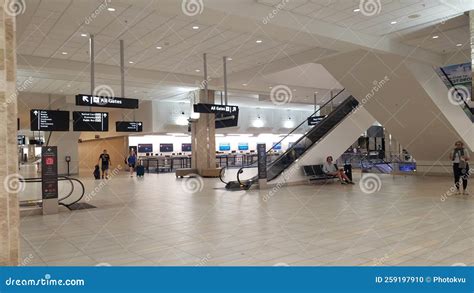
The airport’s declaration that it had “seen enough” of pajamas at the terminal struck a nerve. For some travelers, the sight of fleece pants and cartoon-print tops in departure lounges symbolizes a decline in civility. For others, it represents a practical adaptation to long-haul discomfort and early morning departures. The polarized reaction reflects a deeper tension between tradition and convenience in contemporary air travel.
Notably, U.S. Transportation Secretary Sean Duffy publicly responded in agreement with the spirit of the post. He has recently promoted an initiative encouraging passengers to elevate their travel attire under a broader campaign aimed at restoring a sense of refinement to flying. While the department’s stance does not translate into enforceable regulation, the endorsement amplified the conversation and gave the joke an unexpected layer of political visibility.
Confirmed Satire, Real Conversation
TPA quickly clarified that the pajama “ban” was a playful nod to ongoing debates about airport fashion. Passengers wearing sleepwear will not be turned away. The airport reiterated that comfort remains welcome and that the post was designed to engage rather than enforce.
Even so, the discussion it triggered reveals how clothing choices at airports have become symbolic. In the mid-20th century, air travel was marketed as glamorous, and passengers often dressed formally for flights. Suits, dresses, and polished shoes were common sights in terminals. Over time, democratization of air travel, budget carriers, and the rise of athleisure reshaped expectations. What was once an occasion became routine.
Today’s terminals function as hybrid spaces—part transportation hub, part shopping mall, part waiting room. Travelers navigate security lines, gate changes, and tight connections. In that environment, elastic waistbands and soft fabrics offer practical advantages. Critics of pajama-clad passengers argue that public spaces demand a baseline of decorum, while supporters counter that comfort during stressful journeys is paramount.
The Marketing Strategy Behind the Message
The pajama post also illustrates the growing sophistication of airport and airline social media strategies. Platforms like X and Instagram provide cost-effective channels for direct engagement with passengers. Rather than investing solely in traditional advertising, aviation brands now cultivate distinct online personalities.
European carrier Ryanair has become a benchmark in this arena, frequently leveraging humor and pointed commentary to dominate headlines. Tampa International’s approach fits into this broader trend: bold, irreverent messaging designed to generate conversation. Viral content increases visibility, reinforces brand identity, and keeps the airport top-of-mind for travelers.
However, the strategy carries responsibility. During operational disruptions or emergencies, social media becomes a critical information pipeline. Clarity and factual accuracy are essential to avoid confusion. Playful campaigns must be carefully framed to ensure audiences recognize satire when intended. In TPA’s case, the rapid clarification helped prevent misunderstanding while preserving the buzz.
Dress Codes, Contracts, and Passenger Rights
While airports rarely enforce specific clothing standards beyond general decency laws, airlines operate under conditions of carriage that allow them to deny boarding in cases of inappropriate attire. These clauses are typically broad, covering garments deemed offensive, indecent, or unsafe. Pajamas alone rarely meet that threshold, but disputes over dress codes have surfaced periodically.
The Tampa episode underscores how informal norms can exert pressure even without formal rules. Social commentary, amplified by millions of online impressions, can influence behavior more subtly than regulation. A traveler scrolling through viral debates may think twice before boarding in slippers—not because it is prohibited, but because it has become socially contentious.
A Terminal Mirror of Cultural Shifts
At its core, the pajama “ban” reflects evolving attitudes toward public presentation. Airports concentrate diverse populations in confined spaces, magnifying cultural differences in expectations of dress and behavior. What feels casual to one traveler may appear careless to another.
Tampa International’s humorous provocation succeeded because it tapped into that shared friction. By framing the issue theatrically, the airport sparked a global exchange about comfort, respect, nostalgia, and modernity. The terminals remain pajama-friendly in practice, yet the conversation lingers as a reminder that even the smallest details—fabric choices, footwear, morning routines—can ignite outsized debates in a hyperconnected era.
In a world where travel has become both ordinary and intensely scrutinized, a single social media post can transform lounge chatter into international headlines. The runway may be built for aircraft, but increasingly, it is also a stage for cultural commentary.