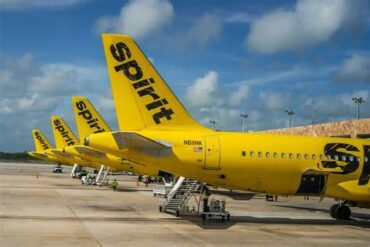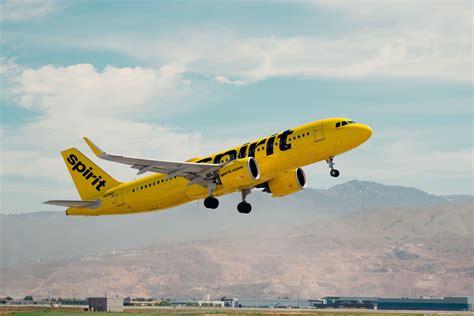
Spirit Airlines has taken a bold and controversial step back into the public market spotlight by receiving NYSE American listing approval, marking a pivotal chapter in its turbulent corporate history. Effective April 29, 2025, the airline began trading under the new ticker symbol FLYY, officially leaving behind its previous identity under $SAVEQ, which has now been entirely canceled. This dramatic shift comes just months after its bankruptcy proceedings, drawing intense scrutiny and fierce commentary from both seasoned investors and retail traders, particularly across online communities like r/wallstreetbets.
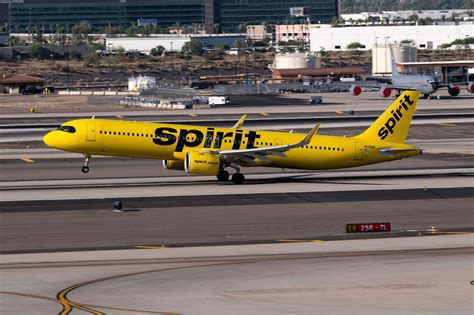
Spirit’s Bankruptcy Fallout and Shareholder Backlash
The path to the NYSE American listing was paved with heavy losses, lawsuits, and strategic resets. Spirit’s bankruptcy effectively wiped out all existing common shareholders, sparking outrage from those who held positions in $SAVEQ. Many accused the company of misleading communication, especially after former CEO Ted Christie publicly claimed Spirit had a clear path to profitability and no intentions of declaring bankruptcy.
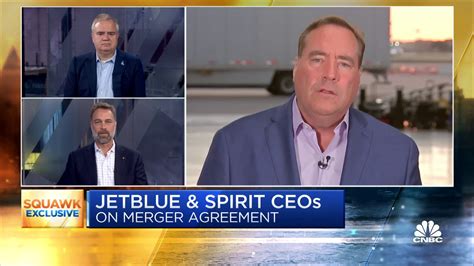
While such statements were leveraged in court to block the merger with JetBlue, the subsequent bankruptcy and share cancellation left shareholders feeling betrayed. On Wall Street forums, accusations of fraud, manipulation, and outright theft surged, with users expressing disbelief over how a company could dissolve equity, restructure, and then relist within a year under a fresh ticker.
NYSE American: A Strategic Step or a Temporary Lifeline?
By choosing the NYSE American—a small-cap focused exchange often viewed as a transitional platform—Spirit signals both a cautious re-entry into the capital markets and a need for regulatory and investor flexibility. The exchange’s reduced reporting burdens and looser compliance thresholds allow for cost-effective listing, which aligns with Spirit’s historically frugal operations model.
Yet, this move also reinforces skepticism. For critics, this is not a rebirth but a rebranding of failure, akin to historical reboots like Blackwater to Xe or Hertz’s infamous post-bankruptcy stock rally. Industry watchers argue that Spirit’s low-cost business model, infamous for hidden fees and minimal service, cannot sustain public market scrutiny without significant operational and financial overhaul.
The Ticker Change: From $SAVEQ to $FLYY
The adoption of $FLYY as the new ticker symbolizes a fresh start, at least in theory. However, investors were quick to mock the change. In online trading communities, it was joked that more accurate ticker choices like $SHIT or $SCAM were already taken. The sentiment reflects deep-seated mistrust toward the airline’s leadership and corporate ethics.
Despite the ridicule, the airline hopes the ticker change will generate renewed investor interest, especially among new traders unaware of its prior financial debacle. Spirit is betting that brand familiarity and a dirt-cheap fare structure can spark speculative momentum, especially in the wake of meme-stock era investing behaviors.
Retail Traders React: Meme Stock or Cautionary Tale?
The stock’s listing immediately ignited debates among retail traders and institutional watchers alike. While some see $FLYY as a pump-and-dump setup, others are eyeing quick gains via options trading or short-term speculative buying. Comments from seasoned WSB users range from savage satire to strategic advice:
- “How many hidden fees per share?”
- “This is going to drop 80% in the first day.”
- “Buy the pop, sell the top, short the flop.”
Yet, underneath the memes lies real investor pain. Hundreds of retail traders lost thousands of dollars on Spirit’s non-merger with JetBlue, only to watch the airline cancel all shares and rise again like a corporate phoenix—albeit one still missing its tail feathers.
Institutional Involvement and IPO-Like Dynamics
Despite the widespread cynicism, institutional investors may yet participate. The nature of re-listings post-bankruptcy often mimics an IPO structure: heavy liquidity, speculative runs, and volatile opening weeks. Some analysts argue that FLYY’s initial run could provide short-term opportunities for hedge funds, prop traders, and market makers.
Others warn that this is not a recovery play, but a high-risk gambit. The fundamentals have not changed significantly since the bankruptcy. Spirit continues to face rising fuel costs, intense competition from ULCCs, and a lingering reputational deficit that may cap long-term value.
Financial Engineering and Share Dilution Concerns
Central to Spirit’s reorganization is the conversion of bondholder claims into equity. This is standard bankruptcy practice, but it leaves existing shareholders with nothing and raises immediate concerns about future dilution. As part of the restructuring, new shares may be issued rapidly, particularly if operational liquidity comes under pressure.
Some commenters called this a “reverse dividend”—a sardonic nod to the dilution process, where companies print new shares, sell them for cash, and dilute existing equity. Spirit’s ability to avoid another cash crunch hinges on whether it can significantly boost operational revenue, cut losses, or attract further investment—none of which are guaranteed.
Legal Ramifications and Ethical Questions
The anger over Spirit’s reemergence has gone beyond sarcasm. Former shareholders are exploring class-action lawsuits, citing misleading financial guidance, conflict of interest among board members, and a lack of transparency during bankruptcy proceedings.
Of particular note is CEO Ted Christie’s courtroom testimony during the JetBlue merger trial, which painted a glowing picture of Spirit’s viability. This narrative, now proven false by subsequent bankruptcy, has led to allegations of securities fraud and breach of fiduciary duty.
Legal experts acknowledge that while Spirit may have technically followed bankruptcy protocols, the ethical grey areas remain troubling. In U.S. corporate law, bondholders are prioritized over shareholders, but misleading communications before a collapse can still expose executives to liability.
The Market Ahead: Caution, Speculation, or a New Chapter?
As FLYY begins trading, the stock market awaits its fate with caution and curiosity. Will it mirror Hertz’s unexpected comeback, fueled by speculative fervor and meme-trading trends? Or will it resemble WeWork’s slow demise, marked by false starts and fading relevance?
There are no guarantees. Spirit’s operations remain constrained by a low-margin business model. The post-COVID travel rebound has cooled, and legacy carriers are aggressively protecting market share. Any macroeconomic turbulence—fuel price hikes, recession risks, or labor disputes—could send FLYY spiraling.
Still, Spirit’s brand recognition, massive consumer base in budget travel, and bold reentry may give it enough altitude to float short-term optimism. Long-term investors, however, would be wise to study the financials closely before boarding.

Conclusion: A Rebranding or a Rerun?
The approval of Spirit Airlines’ NYSE American listing under the ticker $FLYY is not merely a corporate restructuring—it’s a case study in modern finance, investor sentiment, and the blurred line between legal processes and ethical obligations. While some will trade it for fast profits, others will remember it as a lesson in the brutal hierarchy of corporate collapse.
For now, $FLYY flies again, but whether it climbs, crashes, or circles the drain remains to be seen. The only certainty is that, in the markets, past turbulence often predicts future weather—and for Spirit Airlines, the skies remain stormy.