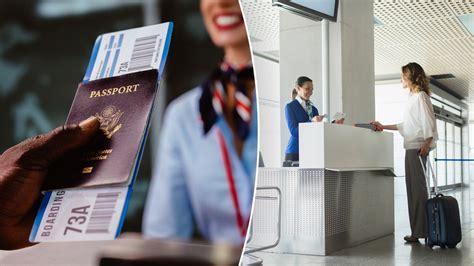
American Airlines became an unexpected part of a growing accessibility controversy after a wheelchair user was denied boarding by British Airways while attempting to travel alone from New York to London. The incident has reignited debate over how airlines interpret safety regulations, passenger independence, and disability rights in modern air travel.
The case centers on Samanta Bullock, a disability inclusion advocate and CEO of Bullock Inclusion, who says she was prevented from boarding a British Airways flight despite being an experienced independent traveler. According to Bullock, airline staff informed her that because she uses a wheelchair and was traveling without a companion, concerns existed regarding her ability to move around the aircraft cabin, access the lavatory, and evacuate during an emergency.
The incident quickly gained attention after Bullock shared details of her experience on LinkedIn and social media. Her account has since prompted renewed scrutiny of airline accessibility policies and the practical realities faced by disabled passengers when flying internationally.
British Airways’ decision has sparked particularly strong reactions because of the broader implications. Bullock argued that requiring disabled passengers to travel with companions effectively imposes a financial penalty on people with disabilities. If a companion becomes mandatory, travelers requiring mobility assistance could be forced to purchase two tickets instead of one, significantly increasing the cost of travel and limiting their independence.
For many disability advocates, the issue extends far beyond a single flight. It raises fundamental questions about equal access to transportation and whether safety concerns are being applied fairly and consistently across the aviation industry.
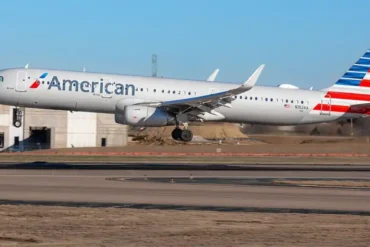
After being denied boarding, Bullock reportedly spent several hours in discussions with airline representatives while efforts were made to find an alternative solution. Eventually, she was transferred to an American Airlines service bound for London.
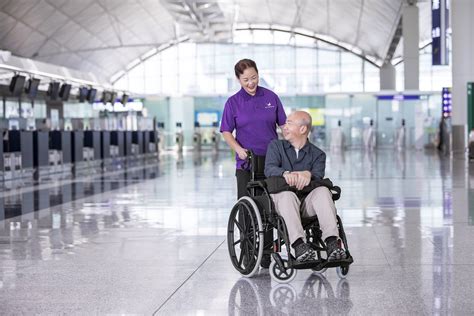
According to Bullock, the transfer occurred without her being consulted beforehand. While American Airlines ultimately transported her to London, she stated that airline representatives also questioned her ability to access onboard lavatory facilities independently. Despite those concerns, she was eventually allowed to board and complete her journey.
The contrasting outcomes between the two airlines have become a focal point of public discussion. While both carriers reportedly raised questions regarding mobility and onboard accessibility, only one ultimately refused transportation. That distinction has fueled debate about whether airline policies are being interpreted differently by frontline staff and whether greater consistency is needed throughout the industry.
British Airways later issued a statement expressing regret regarding the passenger’s experience and confirmed that it was investigating the circumstances surrounding the incident. The airline stated that it remained in direct contact with the customer while conducting its review.
The controversy is particularly notable because British Airways publicly outlines assistance procedures for passengers with reduced mobility. According to the airline’s published guidance, cabin crew can assist passengers in moving between their seats and the aircraft lavatory. However, crew members are generally not permitted to provide personal care inside lavatories, which remains the responsibility of the passenger or a traveling companion.
That distinction reflects a broader industry standard adopted by many airlines worldwide. Cabin crews receive training to assist with mobility-related tasks within certain limits, but health, safety, and liability considerations often prevent them from providing hands-on personal care services.
Why Airline Accessibility Policies Remain Complex
Air travel presents unique challenges for passengers with disabilities. Unlike many other forms of transportation, aircraft cabins operate within tightly regulated safety environments where emergency evacuation procedures, space limitations, and crew responsibilities must all be carefully balanced.
Airlines are required to accommodate passengers with disabilities while also ensuring compliance with aviation safety regulations. Determining where accessibility obligations end and operational safety requirements begin can sometimes become a source of disagreement.
The situation involving Bullock highlights this tension. From one perspective, airlines must evaluate whether passengers can travel safely under emergency conditions. From another, disabled passengers argue that assumptions about capability should not result in denied boarding or restrictions on independent travel.
Advocacy organizations have long emphasized that disability does not automatically equate to an inability to travel independently. Many wheelchair users routinely fly alone, navigate airports, manage long-haul journeys, and coordinate travel arrangements without assistance beyond legally mandated accommodations.
Regulations Protecting Wheelchair Users During Air Travel
Over the past several decades, regulators and airlines have introduced increasingly comprehensive protections for travelers with disabilities. In the United States, the Department of Transportation maintains detailed requirements covering assistance for passengers who use wheelchairs or require mobility support.
These protections generally require airlines to provide assistance from airport arrival through boarding and, after landing, from the aircraft to terminal exits or connecting flights. Support can include help with baggage handling, airport navigation, security checkpoints, and priority boarding procedures.
Importantly, regulations distinguish between mobility assistance and personal care. Airline employees may help passengers reach lavatory entrances or navigate cabin aisles, but they typically cannot provide assistance inside restroom facilities.
Similar frameworks exist across many international aviation markets. Major carriers including Singapore Airlines, Qantas, and Thai Airways publish guidance explaining the extent of onboard assistance available to passengers with reduced mobility. While specific procedures vary, most airlines follow comparable principles regarding cabin movement and personal care responsibilities.
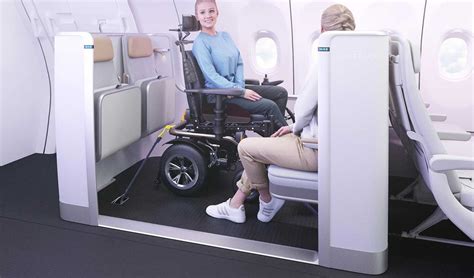
The aviation industry has also invested in technological improvements aimed at increasing accessibility. New aircraft cabin concepts have introduced wheelchair-friendly seating solutions, while innovative lavatory designs seek to improve access for passengers with mobility impairments during flight.
Legal and Industry Implications of the Incident
Bullock has indicated that she is exploring potential legal options and has documented her experience extensively. She argues that the treatment she received may constitute disability discrimination and believes the case could have implications for other travelers facing similar situations.
Whether legal proceedings ultimately emerge remains uncertain, but the incident has already intensified conversations surrounding passenger rights and airline accountability. Disability advocates are closely monitoring the outcome, viewing it as a potential benchmark for future discussions regarding independent travel and accessibility standards.
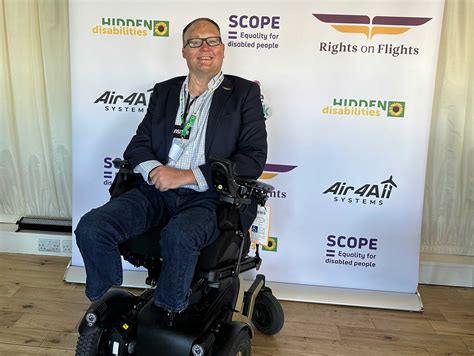
As airlines continue working toward more inclusive travel experiences, incidents like this demonstrate that accessibility remains an evolving challenge. Advances in aircraft design, improved crew training, and clearer regulatory guidance have significantly expanded opportunities for disabled travelers. Yet the debate triggered by this case illustrates that questions surrounding autonomy, safety, and equal treatment remain far from settled.
For millions of passengers who rely on wheelchairs worldwide, the outcome of these discussions will help shape not only future policies but also the broader expectation that air travel should remain accessible to everyone, regardless of physical ability.