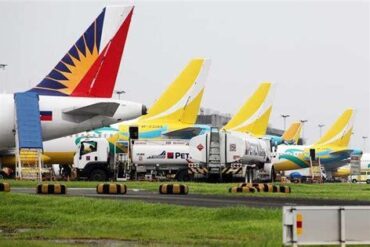
The Philippine government has launched a sharp crackdown on AirAsia’s digital platform, AirAsia Move, ordering it to immediately cease operations in the country after uncovering what officials describe as egregious overpricing of domestic airfares. The decisive action came on June 2, 2025, when Transportation Secretary Vince Dizon announced that the Civil Aeronautics Board (CAB) had issued a formal cease-and-desist order targeting the Malaysia-based digital booking platform, which is owned and operated by Capital A Berhad.
The order stems from allegations that AirAsia Move exploited infrastructure disruptions in Tacloban City, particularly following the closure of a crucial bridge, by inflating prices on domestic routes far beyond regulated caps. According to CAB data, the platform was found selling one-way tickets from Manila to Tacloban for an astronomical PHP77,000 (US$1,382)—more than three times the rate listed on Philippine Airlines’ official site.

Regulatory Clampdown Amid Soaring Ticket Prices
The Civil Aeronautics Board, the principal regulator tasked with overseeing airline fare structures in the Philippines, has long maintained fare ceilings to protect consumers from exploitative practices, especially during times of limited transportation access. The incident in Tacloban triggered swift scrutiny, as the city had recently experienced severe logistical disruption due to the bridge shutdown, effectively isolating it from essential cargo and commuter routes.
In this context, AirAsia Move’s pricing behavior was seen not merely as opportunistic but potentially criminal, according to Dizon. “What AirAsia Move is doing is criminal,” he said during a press conference, condemning the platform for “taking advantage of our people.” The government is reportedly preparing to file charges for criminal economic sabotage, a serious offense under Philippine law that implies deliberate and systematic attempts to undermine public welfare for financial gain.
Digital Platforms Under the Legal Microscope
AirAsia Move, formerly known as AirAsia Super App, is not a conventional airline but a travel and lifestyle e-commerce platform, offering bookings not just for AirAsia flights but also for third-party airlines and services. However, Philippine authorities argue that this broader role does not exempt it from price regulations.
Dizon emphasized that law enforcement agencies are already collaborating with cybercrime units to disable the platform’s functionality for Philippine users. “We will really put the full force of the law on these unscrupulous online platforms,” he warned, asserting the government’s commitment to clamp down on digital operators abusing their market position.

AirAsia’s Malaysia-Based Ownership Adds Complexity
The fact that AirAsia Move is controlled by Malaysia-based Capital A Berhad further complicates enforcement efforts. This international ownership raises jurisdictional issues about the application of Philippine law to a foreign-owned digital service provider, especially when the platform also operates across Southeast Asia.
Nevertheless, the Philippine government insists that foreign status does not grant immunity from local regulation when local consumers are directly impacted. In Dizon’s words, “If you operate in our digital ecosystem, you play by our rules.”
A Flashpoint in Regional Airline Regulation
The situation highlights a growing tension across Southeast Asia, where governments are increasingly scrutinizing digital marketplaces—especially those dealing in critical sectors like transportation, healthcare, and finance. While fare surges in times of high demand are not uncommon in aviation, the extent of AirAsia Move’s markup appears to have struck a nerve in Manila’s corridors of power.
Philippine Airlines’ listed fare for the same Manila-Tacloban route was roughly PHP24,000 (US$430). This puts AirAsia Move’s listing at more than 300% above market price, and without justification in terms of class upgrades, bundled services, or added value. It wasn’t an isolated error; according to regulators, multiple similar anomalies were recorded in the platform’s pricing during the infrastructure bottleneck.
The Political Will Behind Consumer Protection
Transportation Secretary Vince Dizon, a key figure in President Ferdinand Marcos Jr.’s administration, has increasingly taken a pro-consumer stance in recent months. His public condemnation of AirAsia Move’s pricing signals a policy shift towards active enforcement of digital market fairness, particularly in sectors where public access and affordability are at stake.

His tone during the press conference was unflinching: “Clearly, this is just absurd.” He added that this was “not just a technical violation, but an ethical breach against the public interest.” This moral framing suggests that the case may set a precedent for future regulation not just of airfare pricing, but all online travel aggregators operating in the Philippine market.
Implications for the Airline Industry
The repercussions of this move extend beyond AirAsia Move. Digital travel platforms—ranging from international giants like Expedia to regionally popular apps like Traveloka—are likely to face increased scrutiny in the Philippines. Industry insiders say this case may trigger a domino effect of audits and pricing policy reviews.
Moreover, brick-and-mortar travel agencies and national carriers, which have long complained of unfair digital competition, may find renewed leverage in calls for a level playing field. The traditional industry has often been squeezed by the algorithmic pricing strategies of online platforms, which can dynamically adjust costs based on demand spikes.
AirAsia Move’s Response and Possible Legal Pushback
As of publication, AirAsia Move has not issued an official statement in response to the Philippine government’s accusations. Analysts predict that legal proceedings could be prolonged and contentious, given the international dimensions of the case. It remains unclear whether the platform will comply voluntarily with the shutdown order or seek relief through diplomatic or trade channels.
Given the precedent-setting nature of the case, Capital A Berhad might also consider invoking ASEAN trade agreements or cross-border digital commerce clauses to defend its operations. However, legal experts note that national consumer protection laws typically supersede trade provisions when public harm is evident.

Economic Sabotage and Legal Ramifications
The use of the term “economic sabotage” is particularly notable, as it elevates the case from a civil regulatory issue to a potential criminal matter. In the Philippines, economic sabotage can carry serious penalties, including imprisonment, asset forfeiture, and blacklisting from future business operations.
If found guilty, Capital A Berhad and its executives could face permanent bans from operating any commercial service in the Philippines. More broadly, the ruling could lead to regional conversations about platform accountability, particularly in countries where e-commerce has outpaced regulatory frameworks.
Future of Digital Aviation in Southeast Asia
This unfolding dispute is emblematic of a broader dilemma facing the digital transformation of aviation. Platforms like AirAsia Move have revolutionized ticket sales, made flight bookings more accessible, and driven industry innovation. Yet their very success—especially their ability to scale pricing power rapidly—has made them potential threats to price stability and consumer rights.
As the Philippines continues to assert digital sovereignty, this case could mark a turning point in how nations regulate platform economies in essential service sectors. For consumers, the message is clear: the age of unchecked algorithmic pricing may soon face legislative brakes.
Conclusion
The shutdown order against AirAsia Move underscores an aggressive stance by the Philippine government to protect consumers in the digital age. With allegations of price gouging amid regional infrastructure crises, regulators are sending a clear message: digital platforms, regardless of nationality, will be held accountable for their impact on local markets. As legal proceedings loom and industry players watch closely, the outcome of this case could ripple far beyond Philippine borders—shaping the future of how air travel is bought, sold, and regulated across Southeast Asia.