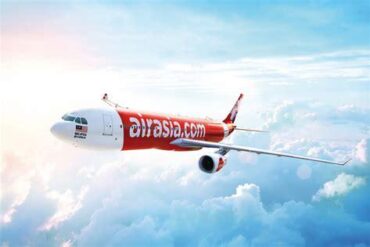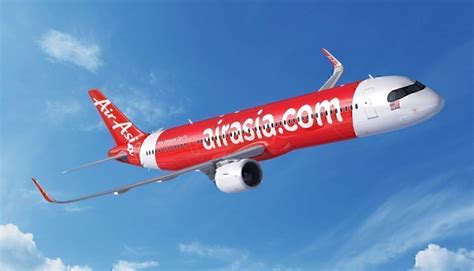
AirAsia has made a bold strategic leap with a monumental $12.25 billion order for 70 Airbus A321XLR aircraft, positioning itself to disrupt the long-haul, low-cost market and edge closer to the elusive North American market via innovative one-stop connections.
The Malaysian budget airline, under the leadership of CEO Tony Fernandes, has long been synonymous with affordable air travel across Asia-Pacific. Now, with the acquisition of Airbus’s most advanced long-range narrowbody aircraft, AirAsia is set to fundamentally alter the operational blueprint of low-cost, long-haul travel.
AirAsia’s $12.25 Billion Aircraft Investment: A New Era Begins
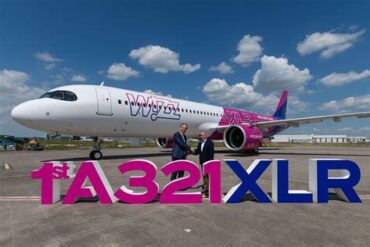
The agreement, confirmed this week, involves 50 firm orders for the Airbus A321XLR, with conversion rights for an additional 20 aircraft, signaling AirAsia’s aggressive intent to expand its international footprint. Deliveries are scheduled to begin in 2028, stretching through 2032, aligning perfectly with the airline’s long-term growth strategy.
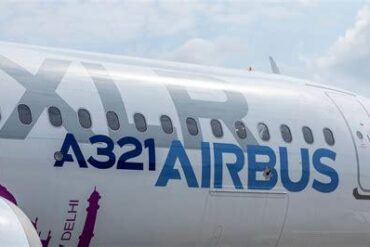
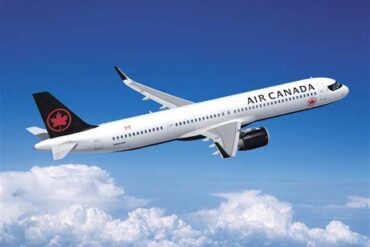
The A321XLR is the most capable variant of Airbus’s best-selling A320neo family, offering an impressive range of up to 4,700 nautical miles (8,700 km). With its fuel-efficient design, the aircraft consumes 20% less fuel per seat compared to previous-generation narrowbodies, delivering significant cost savings and aligning with AirAsia’s sustainability goals.
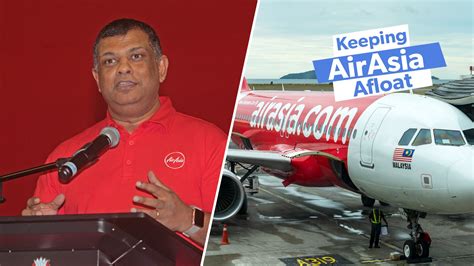
Tony Fernandes emphasized the transformative impact of this deal, stating:
“A narrowbody obviously gives us a lot less risk in terms of certain routes and allows us to go to many more destinations that we couldn’t have gone to before because the 380-seat [A330] aircraft would be limiting. So it’s really transformative.”
Revolutionizing Long-Haul, Low-Cost Travel With Narrowbodies
The significance of AirAsia’s A321XLR acquisition extends beyond simple fleet expansion. This move positions the carrier to become one of the world’s first long-haul, low-cost, narrowbody network airlines, leveraging the XLR’s range and efficiency to unlock routes that were previously financially unfeasible.
AirAsia’s strategy revolves around establishing “virtual hubs” in strategic locations across the Middle East, Europe, and East Asia, enabling passengers to access far-flung destinations via seamless one-stop itineraries.
For example, AirAsia envisions:
- Using Sharjah or Dubai as connecting hubs to open routes deeper into the Middle East and Africa.
- Reviving one-stop services to North America via Asian gateways like Japan, echoing the airline’s previous Honolulu service via Osaka Kansai International Airport.
The XLR’s unique capabilities offer enormous flexibility for route development, a critical factor in AirAsia’s ambition to transcend its traditional Southeast Asian strongholds.
AirAsia’s Growth Targets: 150 Million Annual Passengers by 2030
The A321XLR forms a key component of AirAsia’s audacious vision to carry over 150 million passengers annually by 2030, propelling the airline beyond the 1.5 billion passenger milestone since its inception in 1993.
The aircraft’s introduction supports AirAsia’s objective to broaden point-to-point services from major and secondary hubs, including:
- Kuala Lumpur International Airport (KUL)
- Bangkok Don Mueang International Airport (DMK)
- Jakarta Soekarno-Hatta International Airport (CGK)
- Manila Ninoy Aquino International Airport (MNL)
- Denpasar Ngurah Rai International Airport (DPS)
- Penang International Airport (PEN)
- Johor Bahru Senai International Airport (JHB)
This decentralized network approach reduces reliance on mega-hubs, instead fostering connectivity from popular tourist and secondary cities, which enhances operational resilience and passenger convenience.
A321XLR: A Game-Changer For ASEAN’s Aviation Landscape
The A321XLR’s introduction is more than just an aircraft order; it’s a paradigm shift for ASEAN aviation. As one of the world’s most densely populated and tourism-driven regions, Southeast Asia presents enormous opportunities for low-cost carriers equipped with long-range narrowbodies.
By deploying the A321XLR, AirAsia can:
- Penetrate underserved long-haul markets from ASEAN cities.
- Compete more effectively with full-service carriers on transcontinental routes.
- Reduce environmental impact with lower carbon emissions per seat.
- Enhance profitability with right-sized capacity for niche markets.
Fernandes succinctly summarized the strategic leverage the XLR provides:
“We believe we can build the first low-cost, narrowbody network carrier, and this aircraft order, with our existing aircraft, will allow us to comfortably do so.”
Financing the Mega Deal: Bonds, Leases, and Market Dynamics
To fund the massive $12.25 billion order, AirAsia is expected to employ a mix of capital market bonds, sale and leaseback agreements, and potentially outright purchases or operating leases, depending on prevailing global interest rates.
This approach reflects AirAsia’s proven expertise in aircraft financing, having successfully scaled its fleet over the past two decades through similar instruments. The airline currently operates eight A321neo aircraft, with orders for 323 more narrowbodies from Airbus, emphasizing its commitment to modern, fuel-efficient fleets.
Notably, the deal includes conversion rights, allowing AirAsia to adjust its fleet composition in response to market demand, providing critical flexibility amid volatile global aviation trends.
North America in Sight: The 1-Stop Dream Takes Shape
Perhaps the most ambitious element of this announcement is AirAsia’s renewed interest in serving North America. While the A321XLR lacks the range for direct flights from Southeast Asia to the U.S. mainland, strategic fifth-freedom rights via cities like Tokyo, Osaka, or Middle Eastern hubs could make affordable, one-stop travel to the U.S. West Coast a reality.
AirAsia’s long-haul subsidiaries, AirAsia X and Thai AirAsia X, currently operate 27 Airbus A330-300s, capable of direct transpacific services. However, Fernandes clarified that the A330s remain integral to the airline’s operations and are not yet slated for retirement.
The A321XLR’s role complements these widebodies by offering:
- Cost-efficient access to new, thinner long-haul routes.
- The ability to test new markets with lower risk.
- Network synergy through mixed-fleet flexibility.
The one-stop model, if executed effectively, could allow AirAsia to undercut competitors on price while maintaining service frequency, thereby appealing to budget-conscious travelers eager for transpacific connectivity.
AirAsia’s Broader Fleet Evolution and Market Position
Beyond the XLR acquisition, AirAsia maintains a firm order book exceeding 320 Airbus A321-200NX and 36 A321-200LR, underlining its commitment to becoming an all-Airbus narrowbody operator.
This homogenous fleet delivers significant advantages in:
- Crew training and cross-utilization.
- Maintenance and operational efficiency.
- Streamlined spare parts and logistics management.
- Environmental sustainability through reduced emissions.
AirAsia’s consistent fleet strategy, coupled with the XLR’s arrival, enhances its ability to aggressively expand while maintaining competitive cost structures.
Conclusion: AirAsia’s Bold Gamble to Reshape Global Low-Cost Travel
AirAsia’s $12.25 billion bet on the Airbus A321XLR marks a defining moment for the airline and Southeast Asia’s aviation sector. By leveraging cutting-edge, long-range narrowbody technology, the carrier aims to transcend regional boundaries and forge new frontiers in low-cost, long-haul travel.
If successful, this strategy could position AirAsia as the first truly global, low-cost network airline, connecting ASEAN to North America, the Middle East, Europe, and beyond, all while reshaping passenger expectations for affordability and accessibility.
With the XLR’s delivery horizon set for 2028-2032, and expansion blueprints already underway, the aviation industry will be watching closely as AirAsia attempts to turn bold ambition into operational reality.