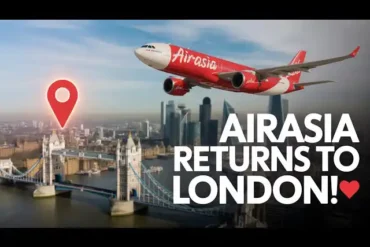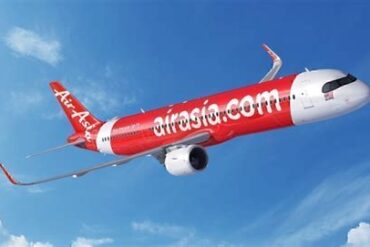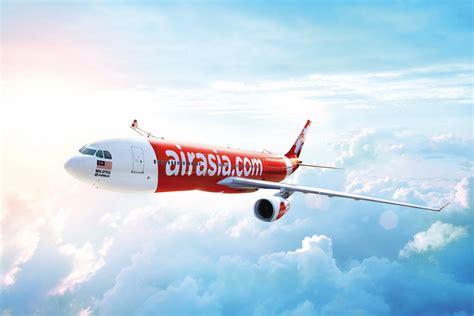
AirAsia X is preparing to return to the London market, reviving one of Southeast Asia’s most talked-about long-haul low-cost routes with a radically different strategy. The Malaysian carrier is expected to formally announce its UK comeback on February 12, unveiling one-stop Airbus A330 flights between Kuala Lumpur and London Gatwick via Bahrain. This marks a decisive shift from the airline’s earlier nonstop experiment and reflects how long-haul budget travel has evolved in a far more competitive global landscape.
For AirAsia X, the relaunch is both a correction and a calculated bet. The original London services, operated between 2009 and 2012 with Airbus A340-300 aircraft, were ambitious but ultimately unsustainable. Today’s version leans on network partnerships, fifth-freedom opportunities, and a Middle Eastern stop that reshapes the economics of a nearly 6,000-nautical-mile journey.
A Different London Strategy for a New Era
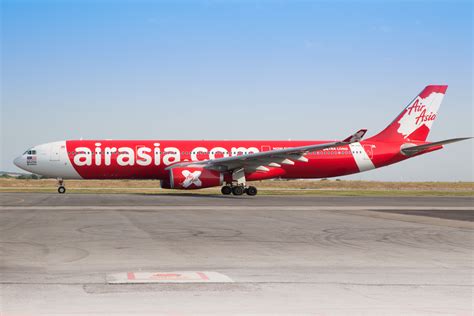
The upcoming Kuala Lumpur–Bahrain–Gatwick service is widely expected to begin in late June, aligning with the peak northern summer travel season. Gatwick, rather than Heathrow, once again becomes the focal point, benefiting from lower operating costs and growing long-haul capacity. Bahrain will be a new destination for AirAsia X and a critical pivot point, enabling the airline to overcome the range limitations of its high-density A330-300 fleet, most of which are configured with around 377 seats.
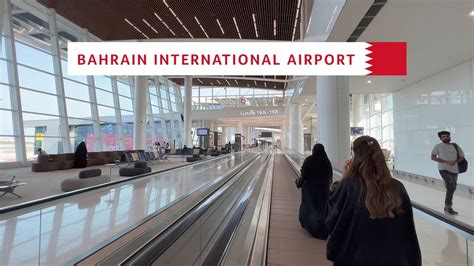
The stopover is not merely technical. Capital A, the parent group of AirAsia, confirmed in late 2025 that Bahrain would serve as its Middle Eastern hub, developed in cooperation with the Bahraini government. The London route is the first tangible expression of that strategy, linking Southeast Asia to Europe through the Gulf in a way that mirrors, but also challenges, established network carriers.
Proposed Schedule and the 16-Hour Reality
While final timings remain subject to confirmation, the anticipated schedule paints a clear picture of the journey. Flights are expected to depart Kuala Lumpur late in the evening, arriving in Bahrain shortly after midnight, before continuing to Gatwick in the early morning. The return follows a daytime departure from London, connecting back through Bahrain to reach Malaysia the following morning.
End to end, passengers are looking at roughly 16 hours of total travel time, excluding connection buffers. That duration places the service firmly in the realm of endurance flying, especially for a low-cost carrier where the base fare includes little beyond a seat and 7 kg of hand luggage. Checked bags, meals, seat selection, and entertainment all come at additional cost, turning the headline fare into a modular product that rewards careful planning rather than impulse booking.
London–Kuala Lumpur: A Market Crowded but Flexible
Despite fierce competition, the London–Kuala Lumpur market remains robust. Annual passenger volumes exceed 300,000, supported by three daily nonstop Heathrow flights operated by British Airways and Malaysia Airlines using Boeing 787-9s and Airbus A350-900s. Even with these options, nearly 45% of travelers already route via intermediate hubs, predominantly in the Middle East.
This behavior creates an opening for AirAsia X. While the new service is objectively less convenient than a nonstop flight, it targets a segment that prioritizes price over simplicity, particularly leisure travelers and cost-sensitive long-haul passengers connecting beyond Kuala Lumpur to other Asian or Australian destinations.
Bahrain’s Role and Fifth-Freedom Implications
Bahrain adds another layer of intrigue. Gulf Air, the national carrier, has not operated Kuala Lumpur flights since 2012, largely due to weak point-to-point demand. Fewer than 17,000 round-trip passengers traveled between the two cities in the year to November 2025. AirAsia X’s entry could stimulate this market through aggressive pricing while also leveraging fifth-freedom rights on the Bahrain–London sector.
On the Bahrain–London corridor, demand is far healthier, with around 145,000 local passengers annually. British Airways and Gulf Air already serve the route, primarily to Heathrow, with limited Gatwick frequencies. AirAsia X’s arrival means three airlines competing on this city pair for the first time in over two decades, intensifying pressure on yields while expanding consumer choice.
Gatwick’s Growing Long-Haul Ambitions
London Gatwick continues to position itself as a viable alternative to Heathrow for long-haul carriers unable to secure slots at the UK’s primary hub. By 2026, Gatwick is set to welcome eight new or returning airlines, and AirAsia X fits neatly into this narrative. For the airport, the service strengthens Southeast Asian connectivity; for the airline, it offers access to one of the world’s largest aviation markets without Heathrow’s structural constraints.
The Value Equation for Passengers
The central question remains whether travelers will embrace a 16-hour one-stop low-cost journey. AirAsia X’s model allows passengers to build their own experience, adding only the extras they deem essential. Once those are included, the final price may narrow the gap with full-service competitors, though often still undercutting them on headline cost.
For some, especially backpackers, students, and long-haul bargain hunters, the proposition will be compelling. For others, the convenience and inclusivity of legacy carriers will continue to justify a higher fare. Either way, AirAsia X’s return injects fresh tension into a market that thrives on competition.
A Second Chance with Sharper Economics
This London relaunch is not nostalgia; it is recalibration. By abandoning the nonstop ideal and embracing a strategically placed stop, AirAsia X aligns aircraft capability, partnership ambitions, and market behavior into a single, coherent plan. Whether it succeeds will depend on pricing discipline, operational reliability, and travelers’ tolerance for long-haul minimalism.
What is certain is that AirAsia X’s London comeback reshapes the conversation around low-cost intercontinental travel, reminding the industry that even routes once deemed impossible can return—if reimagined with sharper economics and a willingness to challenge convention.