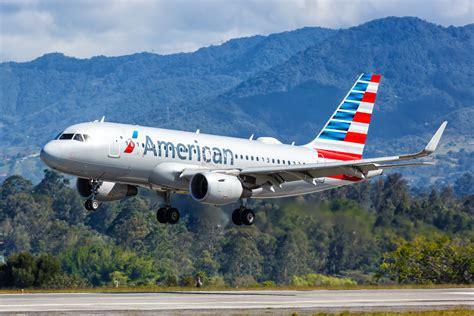
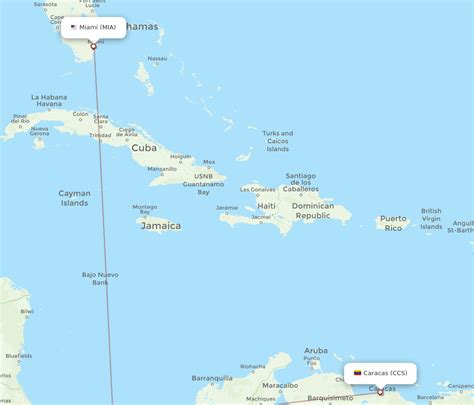
The long-anticipated return of American Airlines flights between Miami and Venezuela marks a pivotal moment in the gradual reopening of air travel between the two nations. After a six-year hiatus driven by political tensions and safety concerns, the airline is preparing to restore its Miami International Airport (MIA) to Simón Bolívar International Airport (CCS) route, with a targeted launch date of April 30. Pending final regulatory approvals, this development signals a cautious yet meaningful step toward rebuilding one of the most historically significant aviation corridors in the Americas.
The reinstatement follows the lifting of a U.S. government restriction imposed in 2019, which had halted all commercial flights between the countries. That decision, rooted in security concerns, abruptly severed vital travel links and left thousands of travelers without direct access between the United States and Venezuela. Now, with updated safety assessments and renewed diplomatic coordination, the pathway has reopened—albeit under careful scrutiny.
For travelers, businesses, and families separated by years of limited mobility, the return of this route is more than symbolic. It represents the restoration of critical connectivity for personal travel, commerce, and humanitarian efforts, all of which had been significantly disrupted during the suspension.
A Strategic Return to a Key Latin American Market
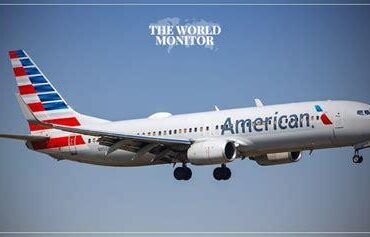
American Airlines is not simply resuming a route—it is reestablishing a foothold in a market where it once held a dominant presence. Prior to 2019, the airline operated multiple services to Venezuela and maintained a strong network centered around its Miami hub. This early reentry positions the carrier as the first U.S. airline to formally return to Venezuela, potentially giving it a decisive advantage over competitors still evaluating the market.
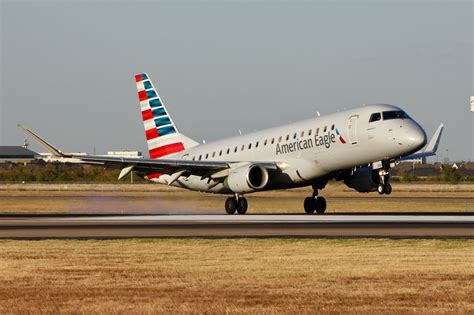
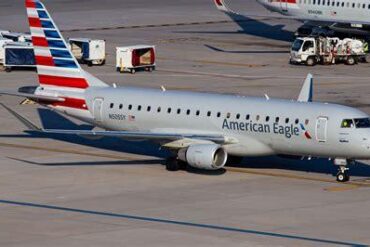
The planned service will operate daily using a two-class Embraer E175 aircraft, deployed through its regional subsidiary, Envoy Air. While smaller than the narrowbody jets previously used on the route, the E175 reflects a measured approach—balancing capacity with uncertainty as demand patterns stabilize. This choice underscores the airline’s strategy of scaling operations cautiously while maintaining flexibility.
Executives within the airline have emphasized the importance of collaboration with both U.S. and Venezuelan authorities. Progress in securing approvals and aligning on safety protocols has been described as encouraging, suggesting a shared interest in restoring reliable air service between the countries.
Reconnecting Families and Reviving Demand
The human dimension of this route’s return cannot be overstated. For years, travelers have relied on indirect, often costly itineraries to move between the United States and Venezuela. The reintroduction of nonstop service is expected to significantly reduce travel time and complexity, particularly for those visiting family or managing cross-border responsibilities.
Beyond personal travel, the route is poised to support renewed business engagement and humanitarian access. Venezuela’s economic challenges have not eliminated demand; instead, they have reshaped it. Aid organizations, expatriates, and entrepreneurs all stand to benefit from improved accessibility, which could in turn stimulate incremental economic activity.
At the same time, travelers are being urged to remain vigilant. While conditions have evolved, official travel advisories still highlight risks, and infrastructure limitations persist. The success of the route will depend not only on demand but also on the consistency of operating conditions and the reliability of local systems.
Security Assessments and Regulatory Oversight
A central factor enabling this relaunch has been the completion of updated security evaluations at Caracas’ Simón Bolívar International Airport. These assessments were critical in determining whether conditions had improved sufficiently to support the safe operation of international flights.
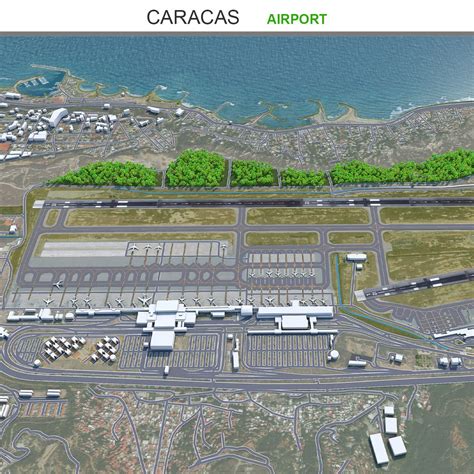
Authorities have worked to address previous concerns, implementing measures aimed at enhancing passenger safety and operational integrity. However, the reopening remains closely monitored by regulators, reflecting a broader awareness that conditions can evolve rapidly.
The 2019 suspension was not a gradual decline but a decisive regulatory action, triggered by concerns that were never fully detailed publicly. Airlines had already begun reducing service prior to the ban, but the official order brought all operations to an immediate halt. The current reopening, therefore, represents a carefully managed reversal of that policy rather than a simple market-driven decision.
A Calculated Move in a Changing Aviation Landscape
American Airlines’ decision to return to Venezuela aligns with a broader industry trend: targeting underserved markets with high recovery potential. As global aviation continues to adapt to shifting demand, fluctuating fuel costs, and evolving geopolitical dynamics, airlines are increasingly selective about where they deploy capacity.
Venezuela, despite its challenges, offers a unique opportunity. Years of limited connectivity have created pent-up demand with minimal direct competition, making it an आकर्षive prospect for early movers. By reestablishing service ahead of rivals, American Airlines can capture market share and rebuild brand presence in a region where it once thrived.
Historically, the airline’s relationship with Venezuela spans decades, encompassing multiple destinations and a steady flow of passengers through Miami. Industry observers suggest that if the initial phase proves successful, the carrier may explore expanding beyond Caracas, potentially restoring additional routes that were once part of its network.
Outlook: A Tentative but Promising Restart
While April 30 serves as the target launch date, the final green light depends on regulatory clearance and operational readiness. Coordination between governments, aviation authorities, and airport operators will remain essential in ensuring a smooth restart.
The coming months will be critical in determining whether this route can achieve sustainable success. Factors such as passenger demand, operational reliability, and geopolitical stability will all play a role in shaping its trajectory. A positive performance could encourage other airlines to follow suit, gradually restoring broader connectivity between the United States and Venezuela.
For now, the planned relaunch stands as a carefully calibrated step forward—one that reflects both optimism and caution. As the first aircraft prepares to depart Miami for Caracas once again, it carries with it not just passengers, but the weight of renewed expectations for a long-disrupted aviation link.