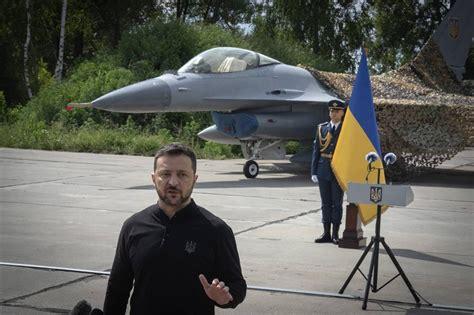
A Ukrainian air force officer has been arrested and charged with espionage after allegedly leaking the locations of NATO-provided F-16 and Mirage 2000 fighter jets to Russia, in what authorities are calling one of the most serious intelligence breaches since the start of the war. The Security Service of Ukraine (SBU) announced that the officer, a flight instructor holding the rank of major, had provided detailed information about airfields and tactical recommendations to aid Russian strikes on Ukrainian military assets.
According to the SBU’s statement, the officer not only disclosed the locations of F-16s, Mirage 2000s, and Su-24s, but also prepared an analytical report advising the Russian military on how to circumvent Ukrainian air defenses. This report allegedly included recommendations for combined strike tactics, allowing Russian forces to coordinate missile and drone attacks that could inflict maximum damage on airbases.
NATO Jets: A Critical Asset Under Threat
The arrival of U.S.-made F-16 fighter jets in Ukraine late last year marked a turning point in Kyiv’s air defense strategy. Paired with French Mirage 2000 aircraft and Soviet-era Su-24 bombers, these jets form a crucial part of Ukraine’s efforts to counter Russia’s escalating missile and drone campaigns.
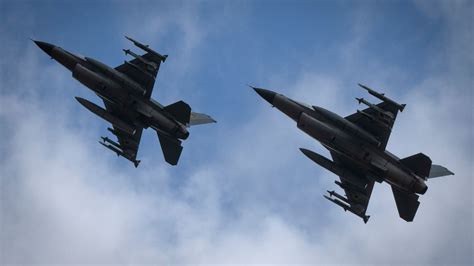
These aircraft have become priority targets for the Kremlin, with frequent drone and missile attacks on suspected Ukrainian airfields. Ukrainian officials believe the leaked information may have significantly enhanced Moscow’s ability to pinpoint these locations, heightening the vulnerability of strategic bases and potentially undermining recent Western military support.
The Arrest: A Blow to Ukrainian Military Integrity
The arrest of the air force major raises serious questions about internal security and loyalty within Ukraine’s armed forces. While the SBU did not release the officer’s name, it revealed that he had direct access to sensitive military data, making his betrayal particularly damaging.
According to the SBU, the accused also passed along information on Ukrainian personnel and combat tactics, which could help Russian forces anticipate and counter Kyiv’s operational strategies. Analysts warn that such breaches could complicate Ukraine’s defense planning, as the Kremlin adjusts its attacks based on insider intelligence.
Espionage and Sabotage: A Widening Threat Across Europe
This incident comes amid a wider pattern of Russian intelligence operations across Europe. Just weeks before, the SBU detained two Chinese nationals suspected of spying on Ukraine’s Neptune anti-ship missile program, another strategic defense initiative.
Meanwhile, in Poland, Prime Minister Donald Tusk revealed that authorities arrested 32 individuals accused of working with Russian intelligence services to conduct sabotage and targeted attacks. “At the moment, 32 people who are suspected of collaborating with Russian special services who ordered sabotage or contract beatings have been detained,” Tusk said during a press briefing.
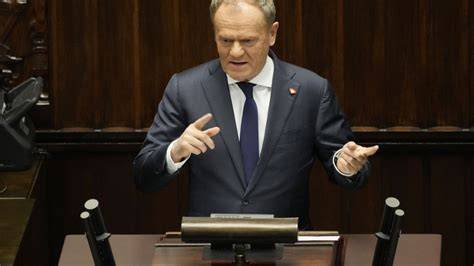
This broader crackdown highlights Moscow’s aggressive intelligence-gathering campaign, aimed not only at Ukraine but at its NATO allies. Experts say these operations serve dual purposes: undermining Ukraine’s military capabilities while eroding Western political cohesion through covert destabilization.
Why F-16s Matter So Much to Kyiv
The F-16 Fighting Falcon, a versatile multirole fighter jet, has been eagerly awaited by Kyiv as part of a broader Western strategy to enhance Ukraine’s air combat power. Capable of precision strikes, advanced electronic warfare, and intercepting cruise missiles, the F-16s significantly expand Ukraine’s defensive and offensive capabilities.
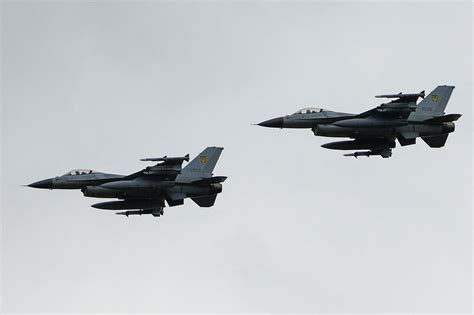
The deployment of these jets represents a symbolic and practical escalation of Western support, signaling NATO’s long-term commitment to Ukraine’s defense. However, their effectiveness hinges on secrecy regarding deployment and storage. With those details compromised, Ukraine’s ability to use these jets safely may be diminished.
Russian Strategy: Targeting the Heart of Ukrainian Air Power
Russia’s military strategy has long prioritized crippling Ukraine’s air capabilities. By systematically targeting airfields, repair depots, and jet storage facilities, Moscow aims to deny Ukraine air superiority. With the F-16s now in service, these operations have intensified.
The alleged espionage makes this strategy even more dangerous. The leak reportedly allowed Russian forces to plan “bypassing” tactics, enabling precision strikes on hardened airbases and possibly increasing Ukrainian jet losses. Military experts warn that such intelligence could also inform preemptive strikes, neutralizing Ukrainian aircraft before they can launch operations.
Security and Counterintelligence Challenges
The case underscores the urgent need for robust counterintelligence operations within Ukraine’s armed forces. The SBU has pledged to intensify background checks, surveillance, and monitoring of personnel with access to sensitive information.
This breach also raises concerns among NATO partners. Western officials may seek greater control over how shared intelligence and military assets are secured within Ukraine, particularly in light of the increasing sophistication of Russian espionage networks.
Broader Implications for NATO and the War Effort
This espionage scandal threatens to strain Ukraine’s relationships with key NATO allies, who provide not only military hardware but also classified operational data. Any perception that Ukraine cannot fully safeguard this information could impact the future delivery of advanced weapons systems.
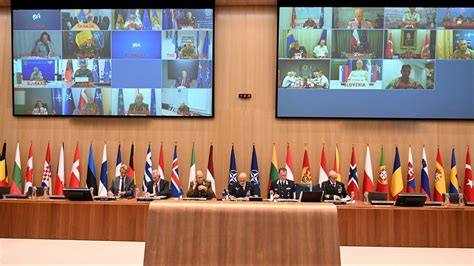
For Russia, the success of such intelligence operations provides a critical battlefield advantage, allowing it to anticipate and disrupt Ukrainian defenses while projecting strength to domestic and international audiences.
Conclusion: A Turning Point in the Espionage War
The arrest of a Ukrainian air force major for spying on behalf of Russia reveals the high-stakes intelligence war being fought alongside the ground conflict. It exposes the vulnerability of Ukraine’s most prized military assets and highlights the relentless nature of Russian espionage efforts not just in Ukraine, but across Europe.
As Ukraine and its allies race to tighten counterintelligence measures and safeguard their strategic assets, this case serves as a stark reminder that in modern warfare, the battle for information is as decisive as the battle for territory.