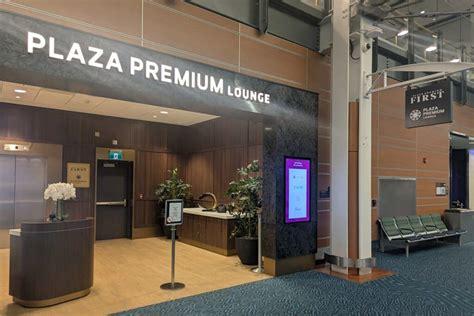
Airports are peculiar ecosystems. Millions of people flow through them daily, yet moments of calm are rare. This is why airport lounges exist in the first place—to create islands of quiet in a sea of departure boards, boarding calls, and rolling suitcases. Among these havens, Plaza Premium First Lounges stand out as an intriguing anomaly: premium airport lounges that are not operated by airlines, yet deliver an experience comparable to elite first-class spaces.
Operated by the global hospitality company Plaza Premium Group, these lounges occupy a unique niche in the aviation world. Unlike airline lounges reserved exclusively for loyalty elites or first-class passengers, Plaza Premium’s flagship concept blends independent access with upscale service, offering travelers a surprisingly refined environment regardless of which airline they fly.
Understanding what makes these lounges special requires stepping back and looking at the evolution of independent airport lounges. For years, contract lounges were considered practical but uninspiring—places with buffets, self-serve drinks, and crowded seating areas. Plaza Premium First Lounges were designed to challenge that perception by introducing a more curated, hospitality-driven experience inside the airport terminal.
The Concept Behind Plaza Premium First Lounges
The idea behind Plaza Premium First is simple but powerful: create a first-class style lounge experience that functions independently from airlines. Instead of serving only one carrier’s passengers, the lounge welcomes travelers from any airline or alliance, provided they meet the access requirements.
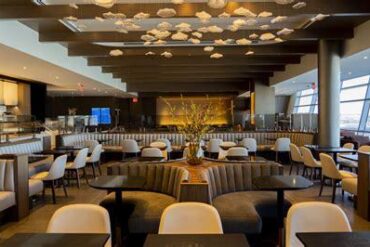
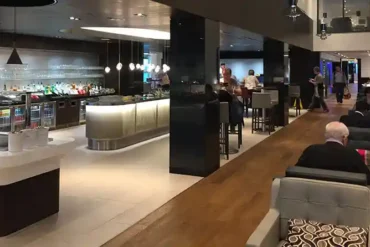
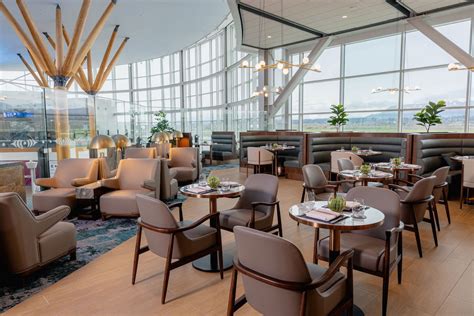
The difference becomes apparent the moment a traveler walks through the entrance. Lighting tends to be softer, seating more spacious, and the atmosphere noticeably calmer. Where standard contract lounges emphasize volume and throughput, Plaza Premium First spaces focus on comfort, ambiance, and service quality.
Dining represents one of the clearest distinctions. Instead of a crowded buffet line, many locations offer à la carte menus ordered via QR code, allowing guests to choose freshly prepared dishes delivered directly to their table. While the quality may not always rival a five-star restaurant, the shift from self-service to table-oriented dining dramatically elevates the experience.
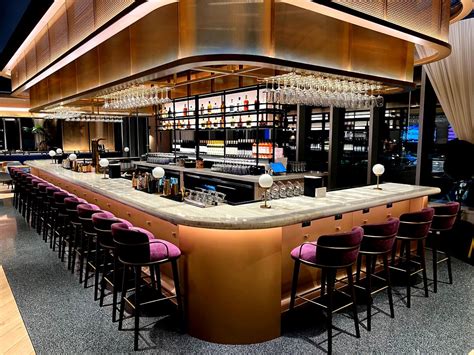
Beverages receive similar attention. A proper bar staffed by professional bartenders replaces the usual self-serve drink station. Travelers can enjoy crafted cocktails, premium spirits, and barista-made coffee, transforming the lounge into something closer to a boutique hotel bar than a typical airport waiting area.
How Plaza Premium First Differs From Standard Contract Lounges
To understand the significance of the First concept, it helps to compare it to the traditional Plaza Premium Lounge model. Standard lounges operate efficiently but often struggle with crowding and limited service personalization. Plaza Premium First lounges aim to correct these weaknesses.
Several elements consistently separate the two tiers:
- Lower crowd density, because fewer passengers have access
- Restaurant-style dining instead of buffet-only meals
- Craft cocktails and barista coffee prepared by staff
- Upscale interior design with premium furnishings and lighting
- Quieter environments designed for relaxation before flights
These upgrades mirror the difference between business class lounges and first class lounges run by airlines. The result is a space where travelers can genuinely relax rather than simply escape the terminal.
Airports Where Plaza Premium First Lounges Are Located
Despite their growing popularity, Plaza Premium First Lounges remain relatively rare. As of today, they operate in only a handful of international airports, making them something of a hidden gem for frequent travelers.
Current locations include:
- Dallas Fort Worth International Airport (DFW)
- Hong Kong International Airport (HKG)
- Soekarno–Hatta International Airport (CGK) in Jakarta
- Kuala Lumpur International Airport (KUL)
- Macau International Airport (MFM)
- Techo International Airport (KTI) in Phnom Penh
- Vancouver International Airport (YVR)
The presence of these lounges sometimes surprises travelers. Some of the airports on the list are major global hubs, while others are emerging aviation gateways. The placement often comes down to terminal space availability and partnership opportunities rather than purely passenger volume.
The concept recently expanded into the United States with the opening at Dallas Fort Worth Terminal D, signaling that the brand intends to push further into North American airports. A future lounge is also planned at the new Terminal One development at John F. Kennedy International Airport in New York.
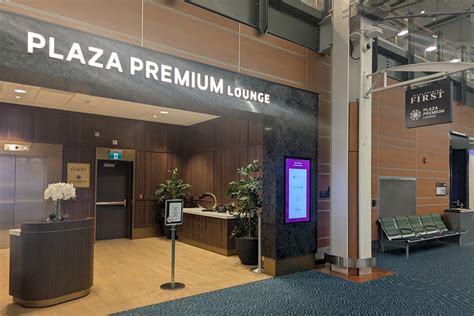
The Design Philosophy: Quiet Luxury in a Busy Airport
Airport lounges often struggle with a fundamental paradox: they must host large numbers of travelers while still feeling exclusive. Plaza Premium First lounges approach this problem through spatial design and atmosphere.
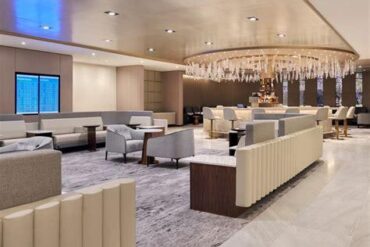
Instead of packing seats tightly together, many lounges create distinct zones—dining spaces, relaxation corners, and bar areas. Soft lighting, textured materials, and muted color palettes help produce a calming environment that contrasts sharply with the bright, noisy terminal outside.
Furniture selection also plays a role. Plush armchairs, semi-private seating pods, and elegant dining tables encourage guests to stay longer. The result feels less like a waiting room and more like a stylish airport hotel lounge.
These design decisions matter because the psychology of travel is often stressful. Delays, security checks, and long-haul flights all add pressure. A well-designed lounge becomes a mental reset point, helping passengers arrive at the gate refreshed instead of exhausted.
How Travelers Can Access Plaza Premium First Lounges
One of the most appealing aspects of Plaza Premium First lounges is that access is surprisingly flexible. Unlike airline first-class lounges that restrict entry to a small elite group, these spaces can be reached through several pathways.
The most straightforward option is direct purchase. Travelers can simply pay for entry regardless of the airline or ticket class they are flying. Prices typically range from $70 to $80 for about two hours, though the exact amount varies by location.
Another route involves airline partnerships. Some carriers send their premium passengers to these lounges when they lack their own facilities. For example, premium travelers flying with Qatar Airways in Kuala Lumpur may be directed to the Plaza Premium First lounge instead of a traditional airline lounge.
A third option exists for passengers already eligible for the standard Plaza Premium Lounge. In many airports, guests can pay a smaller upgrade fee—often around $25 to $45—to move into the First lounge. For frequent travelers who value quieter surroundings and better food, this upgrade is widely considered worthwhile.
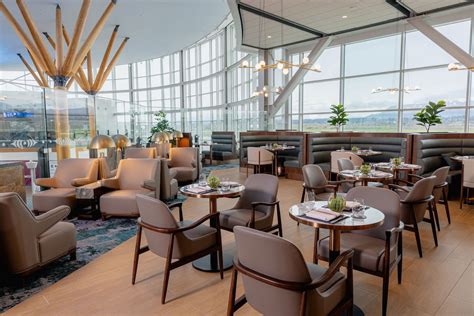
The Dining Experience Inside Plaza Premium First
Food plays a central role in the Plaza Premium First experience. Rather than relying solely on buffet trays that sit under heat lamps, the lounges emphasize made-to-order dishes.
Menus vary by location but often feature a mix of international comfort food and regional specialties. Travelers might find Asian noodle dishes in Kuala Lumpur, Western classics in Vancouver, or locally inspired cuisine in Hong Kong. Orders are usually placed digitally through a QR code system, which sends the request directly to the kitchen.
The presentation tends to be noticeably more refined than typical contract lounges. Plates arrive individually prepared, often with thoughtful garnishes and proper tableware. While the food may not reach the heights of a fine-dining restaurant, it offers something rare inside airports: freshly prepared meals served calmly at your table.
Pair that with bartender-mixed cocktails and specialty coffee drinks, and the lounge begins to resemble a boutique airport restaurant with comfortable seating.
Why Plaza Premium First Lounges Are Gaining Attention
Independent lounges have historically existed in the shadow of airline-operated spaces. Yet the rise of premium travel demand has changed the equation. Many airports simply lack the space or resources for every airline to build a luxurious lounge.
This gap creates an opportunity for hospitality companies like Plaza Premium Group. By building lounges that airlines can partner with—and travelers can purchase access to—they create a flexible luxury ecosystem within the airport.
For passengers, the appeal is obvious. Instead of relying solely on airline status or ticket class, travelers gain another path to a calm, premium pre-flight environment.
As global air travel continues expanding, concepts like Plaza Premium First suggest an interesting future. Airports may increasingly resemble miniature cities filled with branded hospitality spaces—restaurants, spas, and lounges competing to offer the best refuge from the chaos of travel.
Within that evolving ecosystem, Plaza Premium First Lounges stand out as one of the most refined independent lounge experiences currently available, blending accessibility with the quiet indulgence travelers crave before a long journey.