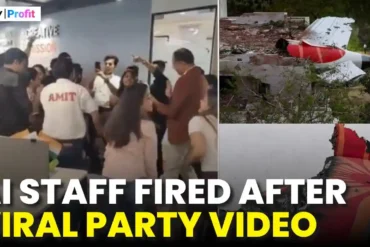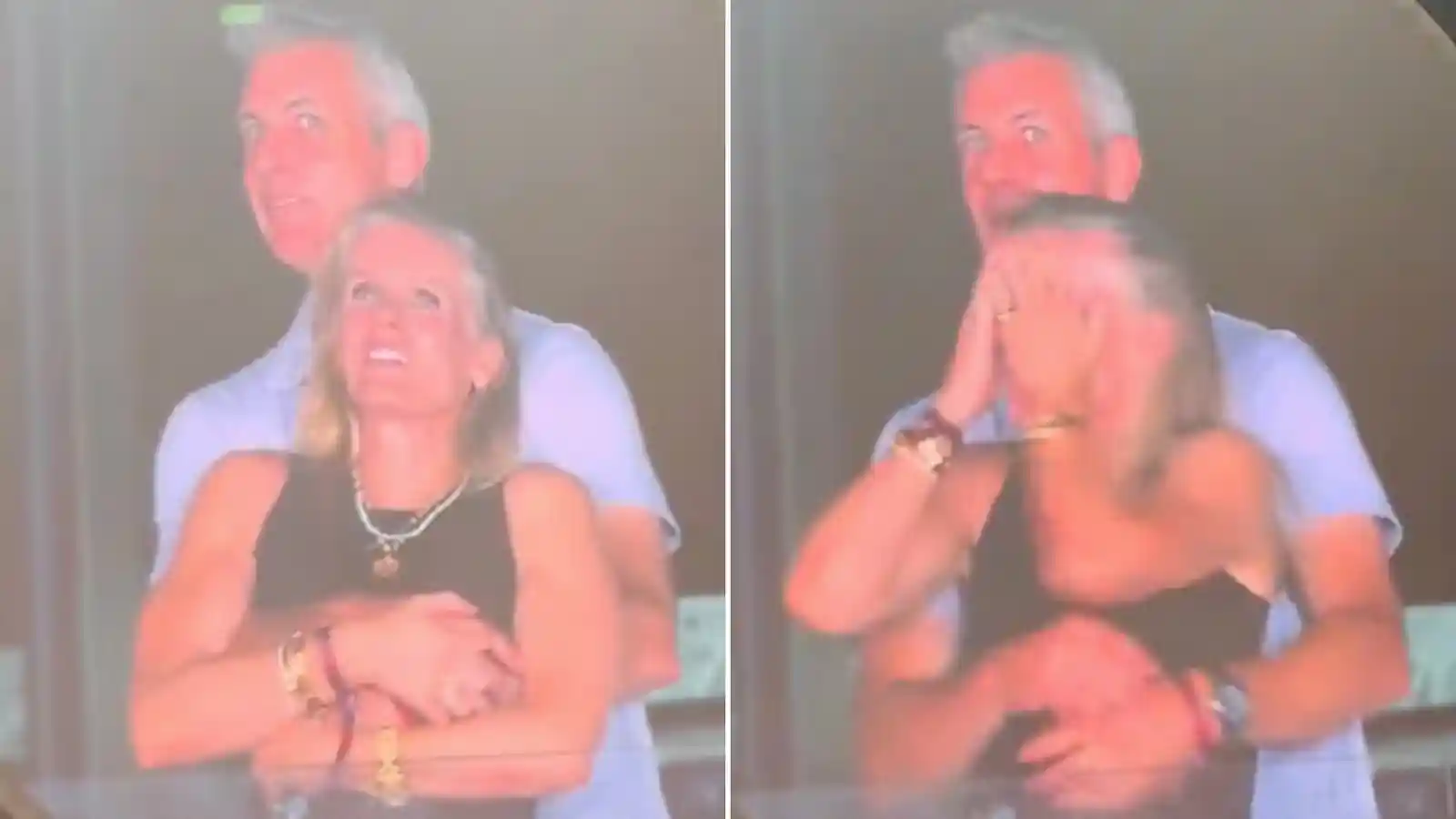
Last week, the internet found its newest fixation in the form of a blurry, dimly lit video captured during a Coldplay concert—but it wasn’t the band that had tongues wagging. The viral clip, showing Astronomer CEO Andy Byron and HR Director Kristin Cabot in what many perceived to be a compromising embrace, lit a digital wildfire. Caught mid-hug, their swift duck-and-cover response only intensified public curiosity and fueled rampant speculation about a potential affair. Within hours, memes exploded across social media, making the incident one of the most unexpected public relations nightmares for a tech firm in recent memory.
But while Astronomer’s boardroom may have descended into crisis, some of the world’s boldest and wittiest airlines were busy turning this scandal into comedic and marketing gold. From the brazen meme-play of Ryanair to the strategic sarcasm of Royal Jordanian, airlines demonstrated a growing mastery of real-time brand opportunism—and audiences loved it.
Ryanair’s Viral Genius: Turning Scandal Into Shareable Gold
Ryanair, never one to pass on an opportunity for cheeky engagement, swooped in with a meme so timely and brutal, it sent the internet into fits of laughter. Known for its relentless and unapologetically sarcastic online persona, Ryanair reposted the now-infamous Coldplay video with a jab at its own seating policy: “Ryanair ? Coldplay, splitting up couples.”
The tweet wasn’t just funny—it was brand-perfect. Ryanair has built its digital reputation by openly mocking everything from its customer complaints to its cramped cabins, capitalizing on the very aspects that other airlines shy away from. This bold approach has made them a formidable presence on platforms like TikTok, Instagram, and Twitter, where viral momentum is currency.
The airline’s consistent humor strategy, backed historically by the brash energy of former CEO Michael O’Leary, has found new life under CEO Eddie Wilson. Whether it’s joking about charging for toilet paper or roasting passengers for trying to sneak oversized bags onboard, Ryanair knows its brand—and its audience—better than most legacy carriers ever will.
Royal Jordanian’s Subtle Shade: A Masterclass in Regional Marketing
While Ryanair went loud and meme-heavy, Royal Jordanian Airlines played the long game of elegant mockery. Without naming names or tagging the now-infamous duo, the Middle Eastern airline released an Instagram post that struck a perfect balance between humor and self-promotion. The ad read:
“There’s a vacancy in the US. Fly to apply. Amman-New York starting at JD 499. Our wings, your cold play.”
This clever double entendre accomplished more than a few laughs. By referencing the recent resignation of Astronomer CEO Andy Byron, it drew attention to a real job opening—while simultaneously plugging one of its prime long-haul routes. It wasn’t just a joke—it was a strategic act of brand awareness for a route that connects East to West.
It’s not the first time Royal Jordanian dipped its toes into viral waters. Back in 2017, during the height of the Trump administration’s travel ban saga, the airline posted a satirical ad that morphed “ban” into “bon voyage,” promoting fares to major US cities in a tongue-in-cheek act of political resistance. That post alone generated massive international media coverage.
The New Era of Airline Branding: Boldness Is the Strategy
The Astronomer scandal marks more than just a juicy moment of gossip—it reveals a new norm in airline marketing, where brands must be agile, cheeky, and unafraid of riding the wave of controversy. Once-considered stodgy and function-first, airlines are now digital players, armed with meme teams and ready to pounce.
While traditionalists like British Airways or Lufthansa may still tread lightly, carriers like Ryanair and Royal Jordanian are proving that boldness pays dividends—not just in engagement metrics but in long-term brand recognition. A viral tweet costs nothing. A New York Times ad costs a fortune. The former, when done right, is remembered longer.
When Branding Meets Pop Culture: A Calculated Risk
But the choice to engage in real-time commentary isn’t without risks. Aligning your brand voice with viral content, especially one involving alleged infidelity and workplace ethics, can easily backfire. Misreading tone, jumping on trends too late, or appearing insensitive are all real dangers.
In the case of Astronomer, both Ryanair and Royal Jordanian walked that razor-thin line perfectly. Their posts were timely, clever, and most importantly, indirect. By never explicitly condemning or moralizing, they avoided the minefield of corporate judgment while still partaking in the viral conversation.
Their success demonstrates that consumers today want brands with personalities—not just services. They want the brands they interact with to be culturally fluent, to share in the joke, and to feel more like that snarky friend in the group chat than a faceless corporation.
Astronomer’s PR Failure vs. Airline Marketing Brilliance
The stark contrast between Astronomer’s damage control silence and the airlines’ meme-driven marketing brilliance also serves as a powerful lesson in PR strategy. While Astronomer fumbled, opting for quiet resignation and internal reshuffling, the airline industry pounced—transforming a reputational black hole into a creative playground.
It’s worth noting that Kristin Cabot has remained publicly silent, with no corporate statement issued on her behalf. Andy Byron’s resignation came days after the viral clip, but not before the company’s name became synonymous with workplace drama and questionable behavior.
The longer the tech company stayed quiet, the louder the airlines became. By the time Astronomer issued a brief company-wide internal memo, their name had already been hashtagged alongside Coldplay, cheating CEO, and viral scandal.
Marketing in the Moment: Why This Matters More Than Ever
In an age where social media can turn a nobody into a trending topic in minutes, real-time marketing is no longer optional—it’s a core brand competency. Airlines are realizing that their customer base no longer looks to TV spots or airport billboards. They live online, where cultural references, memes, and fast-moving narratives shape perception.
Whether it’s tapping into a viral scandal or crafting a tongue-in-cheek response to a delayed flight, brands that thrive online understand that humor and relatability build deeper connections than formality and polish ever could.
This incident highlights a larger truth: the future of airline branding lies in digital wit, cultural fluency, and emotional intelligence. The ones who master this trifecta will dominate not just the skies, but the timelines.
Conclusion: A Scandal, A Meme, And A Marketing Masterclass
The Astronomer CEO scandal may go down as a cautionary tale in corporate governance, but for savvy airlines, it became a case study in real-time, low-cost, high-impact marketing. Ryanair and Royal Jordanian, in particular, showcased how airlines can transform awkward pop culture moments into brand gold, with nothing more than a clever caption and a quick upload.
In an industry so often defined by delays, baggage mishaps, and tight margins, moments like these offer rare clarity: in the digital age, the brands that fly highest are often those that know how to laugh first.
As consumers scroll, brands must scroll with them. And when the next scandal hits—whether it’s on a concert floor or a first-class cabin—you can bet the world’s funniest airlines will be ready to post.