Airline marketing has evolved beyond simple promotions—it’s now about fine-tuned customer targeting. Airlines are working harder to stand out in a very crowded marketplace. As travel options expand in 2025, competition is heating up, giving travelers more choices than ever. In response, airlines are adjusting their strategies to meet changing customer preferences and behaviors. They’re improving online booking tools, reshaping social media use, and doubling down on tech investments to stay ahead.
This article explores how airlines market their services today. We’ll walk through core marketing practices and real-world strategies, showing how different segments operate in the airline industry.
What Is Airline Marketing?
Airline marketing refers to a comprehensive strategy aimed at attracting new customers, converting leads into sales, and keeping current passengers engaged. When done right, it addresses the four pillars of marketing: product, price, place, and promotion. Just like in other industries, the strategy must reflect a clear value proposition.
Take Ryanair, for example. This Irish budget airline promotes itself with a simple, effective message: “low fares airline.” That short line tells customers exactly what to expect.
In essence, a marketing strategy in aviation focuses on staying competitive. It means understanding passenger needs and fine-tuning services and messages to meet them. In the next sections, we’ll look at how airlines apply these strategies to stay relevant and profitable.
Understanding the Air Travel Market
Before diving into marketing techniques, it helps to grasp the airline industry’s structure and the challenges it faces.
How Airlines Influenced Modern Marketing
The airline business has had a major role in shaping modern marketing and sales technology. For instance, electronic tickets were initially developed for fare systems, and one of the first online booking platforms came from the SABRE system, built for airline reservations.
Airlines also pioneered eCommerce through the creation of online travel agencies (OTAs). Driven by fierce competition, airlines had to explore every possible tool to survive. Beyond technological innovation, marketing played a key role in business success.
The industry’s shift from luxury services and premium cabins to low-cost travel shows how marketing adapted. Now, airlines sell the same basic product to two types of buyers—business and leisure—using very different messaging.
Who’s Who in the Market
There are three main groups in the airline marketplace:
- Airlines – the service providers.
- Distributors – third parties like OTAs or wholesalers that resell travel products.
- Global Distribution Systems (GDSs) – platforms that link airlines with distributors.
To understand the full picture, it’s important to know how these systems work together.
How Airline Distribution Works
The end customer is the traveler, but the sale can happen through direct or indirect channels. Travelers generally fall into two categories:
- Leisure Travelers – They care most about price. This group makes up the bulk of ticket sales and requires a lot of tech infrastructure. They’re less focused on comfort and more on value.
- Business Travelers – They prioritize comfort and efficiency. Though they travel less frequently, their bookings tend to generate more revenue per trip.
Marketing also includes managing relationships with distributors. How tickets are sold—whether directly on the airline’s site or through a third-party—affects everything from revenue to data access.
Marketing Challenges in the Airline Industry
While there are plenty of marketing opportunities, airlines face a set of challenges that are unique to their industry.
Selling an Intangible Product
Airlines aren’t just selling a ticket—they’re selling a service. Unlike a product you can hold, travel experiences are abstract. You can’t touch or test them in advance, which makes explaining their value harder.
Perishability of Travel Products
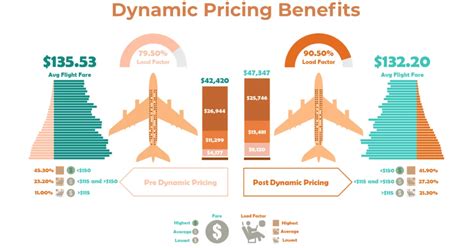
Tickets and extras are perishable goods. A seat on a flight has no value once that plane takes off. Prices are also highly variable, changing based on demand and how far in advance the booking happens.
Global Volatility
Airlines operate across borders, exposing them to political tensions, economic shifts, climate events, and regional regulations. These factors can either open up marketing opportunities or completely disrupt them.
Data Loss from Indirect Sales
When customers book directly through an airline’s app or website, the airline keeps access to user data. This helps them personalize offers and build long-term relationships.
But when bookings happen through OTAs or GDSs, airlines often lose that data. In addition, they pay commissions on every ticket sold, reducing profit margins and control over customer interactions.
Digital Marketing: Benefits for Airlines
The shift to digital marketing has helped airlines make meaningful connections with travelers. Here’s how:
Stronger Customer Engagement
In the past, communicating with customers involved long waits and inefficient call centers. Today, airlines use websites, email, and social media to connect directly. They can now address concerns quickly, promote sales instantly, and gather feedback more easily.

Better Targeting
Traditional ads—like TV spots or billboards—often missed the mark. Now, airlines use customer behavior and preferences to create tailored messages. This helps ads land with the right audience, reducing waste.
Improved Budget Efficiency
Marketing used to involve expensive campaigns with uncertain outcomes. Thanks to digital tools, airlines can now run cost-effective campaigns with much higher accuracy. Social platforms and SEO allow even smaller carriers to build brand presence without massive budgets.
In summary, digital marketing offers airlines a smarter way to advertise. It brings them closer to customers, helps stretch marketing dollars, and makes campaigns more effective.
Real-time data and analytics in airline marketing
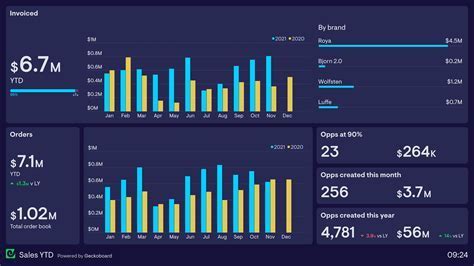
Airlines no longer need to wait days or weeks to see how well their ads perform. Today, they can track campaigns in real time, adjusting their strategies on the fly to match what travelers are doing. That kind of flexibility helps them stay relevant and ahead of shifting customer trends.
Expanding reach with digital platforms
Before digital marketing, global reach depended on big ad budgets. Now, digital channels allow airlines to extend their visibility across borders. Whether it’s through social media, search engines, or mobile apps, airlines can now connect with travelers in markets that were once hard to reach.
Evolving airline marketing strategies
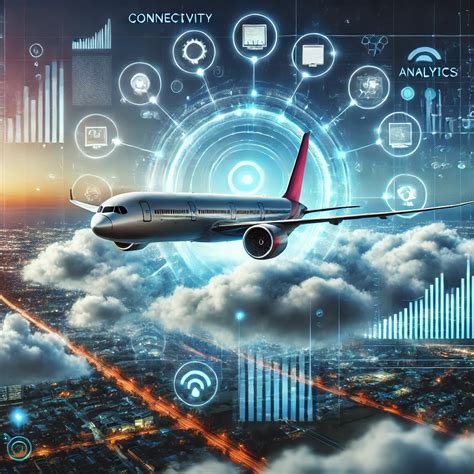
Airline marketing is always adapting. As technology and traveler habits shift, so do the tactics that carriers use to promote their services. Let’s look at a few key strategies airlines are embracing.
Collaborating with metasearch engines
Distribution channels are central to any airline marketing plan. One of the most valuable tools here is the metasearch engine. These platforms allow travelers to compare flights from multiple airlines at once, making it easier to find the best prices.
In the past, metasearch engines only showed pricing. Users had to click through to another site—either an OTA or the airline’s own website—to book. That’s changed. Now, in many cases, travelers can book tickets directly on the metasearch site.
Google Flights is a great example. Originally launched in 2011, it started as a basic fare comparison tool. Today, it’s fully integrated into Google Search. If someone types “Google Flights India,” they’ll instantly see fares for flights to or within India, all within the search page. After picking a flight, the user is given booking options—often linking to the airline’s site or an OTA like Kiwi.
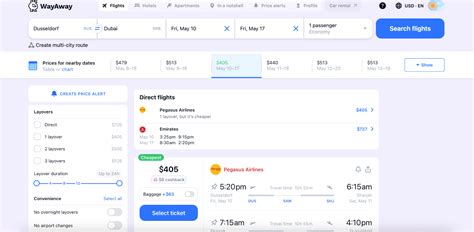
Metasearch engines help airlines increase visibility and sales, often without extra booking fees. Plus, showing up as the cheapest option on Google can boost clicks significantly. Icelandair once tested a unique spin by listing other airlines’ fares on their own site to prove they were cheaper, but the idea didn’t last. Still, it was an interesting experiment in market positioning.
Strengthening loyalty through frequent flyer programs
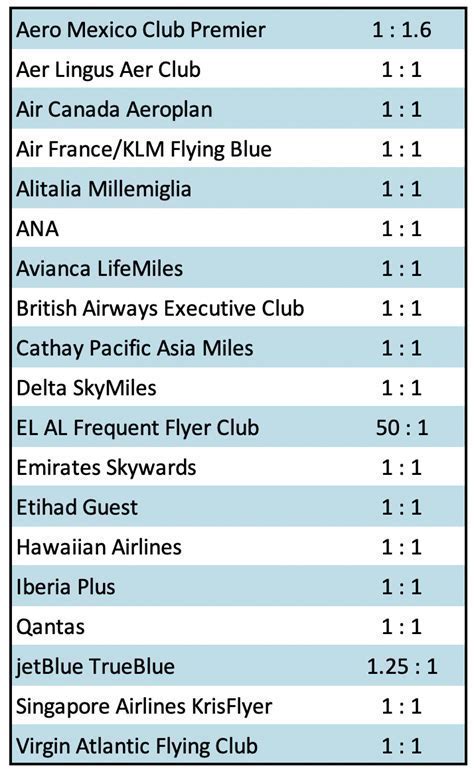
Loyalty matters. Frequent flyer programs reward returning travelers, encouraging them to stick with one airline. These programs typically work on a points system, where miles earned through travel or spending can be redeemed for flights, upgrades, or partner services.
But loyalty programs have evolved. Points aren’t just earned through flying anymore. Travelers can also rack up miles by renting cars, booking cruises, or spending on co-branded credit cards. The more someone spends on a flight, the more points they get.
These programs benefit the airline just as much as the traveler. For instance, American Express offers an affiliate program where customers earn reward points when using their Amex card to purchase tickets from partner airlines. Those points can then be redeemed across stores like Amazon or Dell, creating added value for the traveler.
Blogging to promote budget destinations
Blogging is a smart move for airlines that want to connect with budget-conscious travelers. It lets them personalize their message and boost visibility through SEO. When someone searches for “cheap flights to Paris,” a well-optimized blog post can help the airline appear in the results.
Take Ethiopian Airlines, for example. Their blog features articles on vacation ideas, travel tips, and destination guides. This creates helpful content that also promotes their routes and services.
Ryanair is another strong example. As a low-cost carrier, it knows its audience cares about price. On its blog, Ryanair shares travel reviews, budget destination ideas, and tips for saving money while flying. These posts speak directly to price-sensitive travelers.
By aligning blog content with what people search for, airlines can drive traffic and turn readers into customers.
Adding social media to the travel experience
Social media is more than just a place to post ads—some airlines are using it as a direct part of the travel experience.
KLM Royal Dutch Airlines was one of the first to do this. Back in 2009, they started sending flight details to passengers through WhatsApp, Twitter, and Facebook Messenger. By 2012, they launched “Meet & Seat,” a campaign that let passengers connect with each other via LinkedIn or Facebook when selecting seats. It made social part of the journey itself.
These days, airlines are using social media in more personal ways. According to Sprout Social’s 2024 report, audiences want authentic, human content—not polished brand speak. Delta Airlines has embraced this by encouraging employees to create posts. One popular Instagram video featured Delta staff giving a short language lesson, offering a personal, relatable touch.
Airlines are also leaning into internet culture. Instead of just being edgy, many are becoming more playful and funny. Southwest Airlines, for instance, posted a meme video about common travel annoyances. It resonated with passengers through humor and shared experience, making their brand feel more down-to-earth.
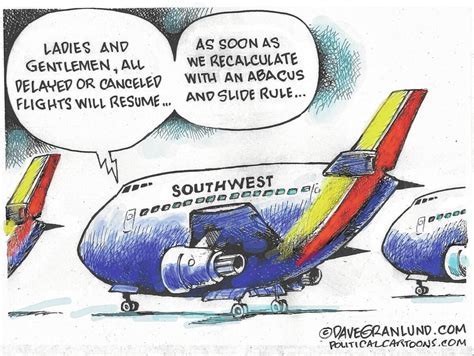
By embracing creativity and fun, airlines are making social media more engaging—and turning followers into loyal customers.### The Southwest Airlines success story
Southwest Airlines is one of the most recognized examples of effective airline marketing. Known for its humorous tone and no-frills approach, Southwest has built a strong emotional connection with its customers. From playful ads to meme-worthy social media content, the airline understands how to turn every touchpoint into an opportunity for engagement. Its brand positioning has made it a standout in a crowded market.
Using live analytics to engage with targeted audiences
American Airlines (AA), the world’s largest airline by passengers carried, has embraced real-time analytics to connect with travelers in innovative ways. Following its merger with US Airways in 2013, the airline now operates 957 aircraft globally—making it the second-largest fleet after Delta.
In 2017, social networks became the norm for communicating with major brands. American Airlines responded by launching an interactive map filled with geo-markers. This map tracked every time someone mentioned “America” on the web. Real-time social listening allowed the airline to identify where customers were talking about the brand, making geotargeted outreach more efficient and personalized.

Boosting engagement with user-generated content
User-generated content (UGC) plays a critical role in fostering brand interaction. One of the more creative campaigns came from Singapore Airlines in 2014. In partnership with Australian media agency MEC, they launched The Storytellers initiative. Four journalists were flown to exotic destinations served by Singapore Airlines. Their task: document the journey in writing and video.
This content was published on a dedicated campaign hub, where audiences could view and vote on their favorite stories. While the campaign created a sense of adventure, it also subtly promoted the airline’s destinations and in-flight experience.
Another compelling example is the collaboration between Nosto and Air France. Nosto, an AI-powered Commerce Experience Platform, helped Air France run Facebook ad campaigns using authentic customer photos instead of traditional brand-designed visuals. The results were telling: campaigns using user-generated photos achieved a 4% increase in click-through rates and a 3% reduction in cost per click.
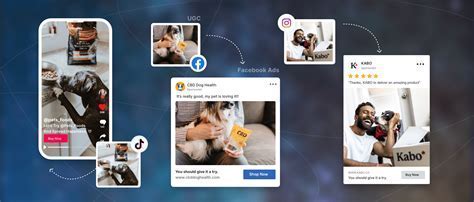
These results highlight the effectiveness of real stories and imagery in increasing digital ad performance.
Promoting ultra-low fares to generate demand
Low-cost carriers like WizzAir are known for launching limited-time ultra-low fares to kick off ticket sales. At the start of a booking window, prices are set extremely low to stimulate demand. These promotional prices are then spotlighted on airline websites, deal aggregators, and social media to generate buzz.
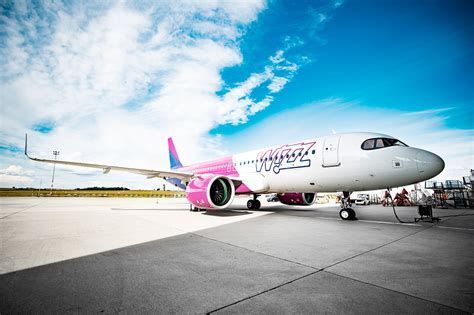
Here’s the strategy: only a small number of seats are available at these rock-bottom prices. Once those are booked, prices rise. Still, the headline-grabbing deals attract significant traffic and attention, even if most travelers ultimately pay a higher fare. It’s a smart use of pricing psychology and scarcity.
Advertising stopover destinations as part of the experience
Stopover marketing is a classic yet highly effective strategy. Icelandair popularized this concept with its Stopover Campaign, originally introduced in the 1960s and re-energized in the 2000s. The campaign allowed passengers to spend up to three days in Iceland at no extra cost while en route to North America or Europe.
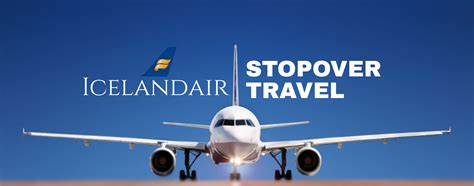
This simple add-on transformed Iceland into a desirable destination. By integrating hotel partnerships and offering curated local experiences, Icelandair turned a layover into a marketing engine that drove both tourism and loyalty.
Turkish Airlines adopted a similar model. Its Stopover in Istanbul program offers travelers with connections longer than 20 hours a free hotel stay. Through partnerships with local accommodations, Turkish Airlines promotes the cultural and historical richness of Istanbul.
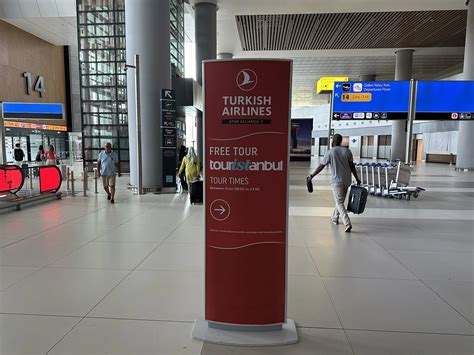
Both airlines used stopovers not just to boost ticket sales, but to promote their home countries as destinations in their own right.
Using affiliate marketing to broaden visibility
Affiliate marketing allows airlines to expand their promotional reach without increasing overhead. Affiliates—often bloggers, travel influencers, or niche publishers—earn commissions by driving bookings through special tracking links.
Etihad Airways, the luxury carrier of the UAE, runs a prominent affiliate program in partnership with Partnerize. Affiliates can sign up to promote Etihad’s flights and services, earning a commission for every confirmed booking made through their link.
This model benefits both the airline and content creators, allowing for efficient expansion of reach and ROI-driven marketing.
Introducing gamification to make marketing interactive
Gamification brings elements of play into marketing, transforming tasks into rewarding experiences. Airlines have used it in several creative ways.
Delta SkyMiles, for example, awards travelers for more than just flights. Points can be earned by checking in, watching branded videos, or engaging with content, encouraging continued participation.
Years ago, Air France launched a mobile game called Cloud Slicer to promote its aircraft and services. The game allowed users to play for the chance to win service-class upgrades. Though now retired, it was one of the first attempts at turning air travel into an interactive digital journey.

Gamification strengthens customer engagement by making marketing fun and participatory.
Staying responsive to global change
Marketing plans must be flexible. The global pandemic showed how vital it is for airlines to adapt quickly to changes. Travelers now prioritize safety, hygiene, and minimal contact during the journey.
Airlines have responded by shifting their messaging to emphasize health protocols, contactless services, and digital convenience. These include:
- Online check-in to minimize queue time
- Self-service kiosks for contactless baggage drop
- Mobile boarding passes to reduce touchpoints
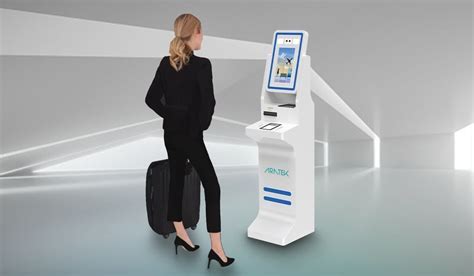
These technologies not only reassure passengers, but also help airlines streamline operations and reduce costs.
Effective strategic planning now includes preparedness for sudden market shifts. Airlines that maintain flexibility, invest in digital tools, and monitor traveler sentiment will be better positioned for success.
Conclusion
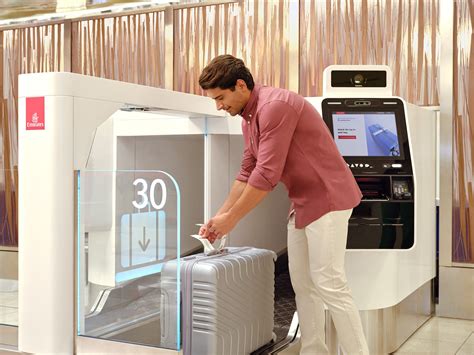
From real-time analytics to gamification, airline marketing continues to evolve. Airlines like Southwest, American, and Turkish Airlines offer examples of how to innovate, connect with travelers, and drive both loyalty and revenue through smart campaigns. In today’s competitive aviation market, it’s not just about selling a seat—it’s about selling an experience, a story, and a reason to choose one airline over another.Airlines are increasingly adopting contactless technologies to enhance the passenger experience by making travel more efficient and secure. One key development is contactless bag handling, allowing travelers to check in, drop off, and track their luggage with minimal or no interaction with airport staff. This innovation streamlines processes and aligns with the latest safety protocols, especially important in the post-pandemic world.
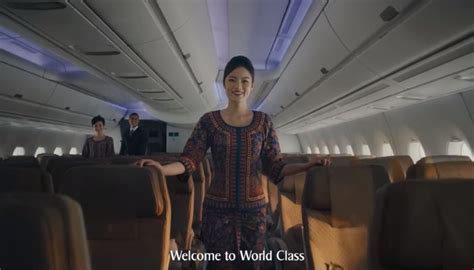
Another notable advancement is automated border and passport control. Using ePassports, biometrics, and eGates, travelers can quickly and securely pass through identity checks. These automated systems are now a staple in many airports, and airlines have adjusted their marketing to highlight the speed and safety benefits. Singapore Airlines has integrated these systems into its marketing, emphasizing an “elevated experience” that reassures passengers about their health and safety during travel.
Influencer marketing is another powerful tool airlines are using to reach passengers. By collaborating with influencers, airlines can showcase their services and destinations in a more personal way. Influencers share their travel stories on platforms like Instagram and YouTube, which can inspire their followers to book flights. This word-of-mouth strategy is effective because it taps into the personal connection influencers have with their audience. British Airways, for example, has long been a leader in television advertising, but more recently, they have worked with influencers to promote their brand.
Emirates has taken influencer marketing a step further, partnering with high-profile athletes to promote its luxury services. A notable example is their campaign featuring Real Madrid players, where they highlight Emirates’ global reach and premium in-flight experience.

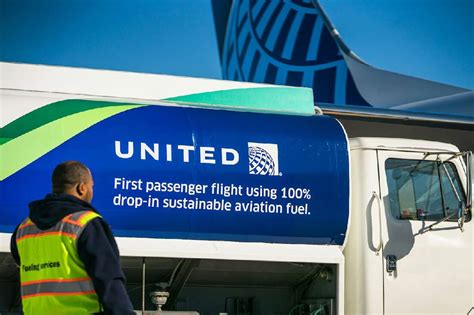
Sustainability is another hot topic in airline marketing, as more travelers are becoming eco-conscious. Airlines like United Airlines are at the forefront of the sustainable aviation fuel (SAF) movement, aiming to reduce carbon emissions and meet global environmental goals. By using SAF, they not only reduce their carbon footprint but also appeal to eco-conscious passengers.
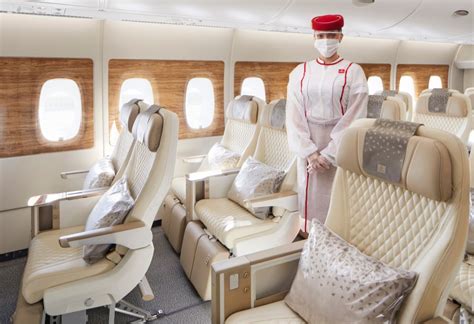
Digital innovation plays a key role in engaging travelers, and Virtual Reality (VR) and Augmented Reality (AR) are leading the charge. While these technologies initially took a backseat, they are making a comeback in the airline industry. Airlines use VR to provide virtual tours of destinations and aircraft cabins, allowing travelers to explore before booking. Emirates was one of the pioneers in using VR technology, launching their First Class Suite VR app to give passengers a realistic preview of the luxurious in-flight experience.
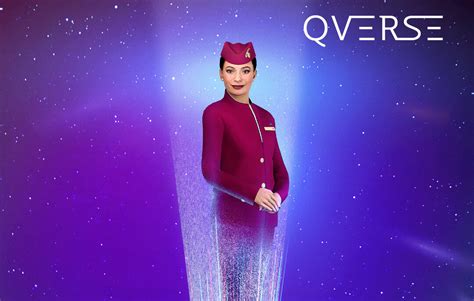
Recently, Qatar Airways has taken the digital experience even further with their Qverse Metaverse. This initiative offers virtual tours of premium zones at Hamad International Airport and even in-flight tours of their Boeing 777 and Airbus A350. This innovative approach gives travelers an immersive look at the airline’s offerings before they ever board a plane.
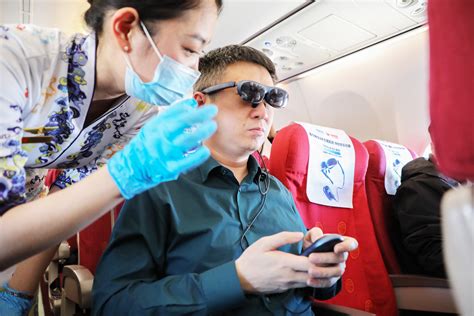
Meanwhile, Hainan Airlines has partnered with Rokid, a Chinese startup, to offer AR glasses to passengers on select flights. This allows them to enjoy 3D movies, read e-books, and play games, all while on board. It’s a significant departure from traditional seat-back entertainment systems.
As technology continues to evolve, airlines are exploring new ways to leverage it to create an unforgettable travel experience for their passengers.
When planning a marketing strategy for an airline, it’s important to focus on the target audience. Different travelers have different needs, so it’s crucial to tailor campaigns for specific segments. Whether it’s business travelers or leisure travelers, understanding their behavior is key.
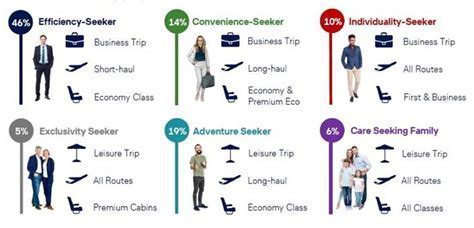
Another important consideration is the product being marketed. Whether it’s a new route, an upgraded service, or a special promotion, understanding the product’s benefits and how it meets customer needs is essential. Airlines should also strive to foster engagement with their customers. Building loyalty through interaction, rewards, and personalized experiences helps create lasting relationships with passengers.
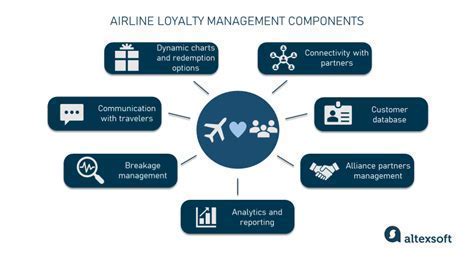
Keeping an eye on competitors is another critical aspect of any airline’s marketing strategy. The airline industry is highly competitive, and airlines must know where they stand in comparison to others. Whether it’s through price promotions, unique offers, or exclusive services, airlines should find the right balance between customer loyalty and competition to succeed.