Aerial advertising has long commanded the skies as one of the most visually striking and psychologically compelling forms of brand messaging. From beachgoers pausing to squint at a passing banner to city dwellers snapping skyline shots of vapor-scripted slogans, aerial media harnesses human fascination with flight and spectacle. Though often overshadowed by digital campaigns, its physical presence continues to generate high recall, viral media potential, and region-specific penetration where other formats fail.
The Origins of Aerial Advertising: From Pioneering Banners to Spectacle in the Sky
The roots of aerial advertising trace to the innovative spirit of Arnold Sidney Butler, who experimented with banner-towing aircraft before World War II. His postwar company, Circle-A Aviation, became a staple in Florida’s skies, helping to formalize and industrialize this niche within the marketing industry. Over time, these early visual tactics evolved into sophisticated displays using custom-fabricated banners, aircraft with high-luminosity LED rigs, and eventually, vapor-based skywriting.
Throughout the 20th century, aerial advertising matured alongside aviation itself. As airspace regulations and safety protocols tightened, practitioners innovated new techniques to retain public attention while respecting operational and legal boundaries. Still, the elemental power of seeing a message writ large against the sky continues to evoke awe and prompt immediate engagement.
Core Modalities of Aerial Advertising
Aerial marketing campaigns typically deploy either static media, such as banners and LED boards, or dynamic media, such as moving lights or skywriting. Each method has distinct technical requirements and marketing value, chosen based on campaign scale, location, and duration.
Mobile Billboards and Airborne Signage
Mobile billboards encompass branding on aerostats, shaped balloons, or LED-equipped rotorcraft. These systems allow for extended hover times and are popular at large outdoor events or slow-moving traffic zones. They capitalize on altitude and visibility, especially during twilight or nighttime when LED arrays become high-contrast beacons.

Banner Towing: Aerial Lettering with Precision Impact
Still the backbone of aerial advertising, banner towing is versatile and reliable. Three primary forms dominate the skies:
- Standard Letter Banners: Using modular 5- or 7-foot letters, these banners offer flexibility for frequent message changes. They are typically towed at lower speeds, with aircraft designed to pull 35 characters (5 ft) or 25 characters (7 ft) in sequence.
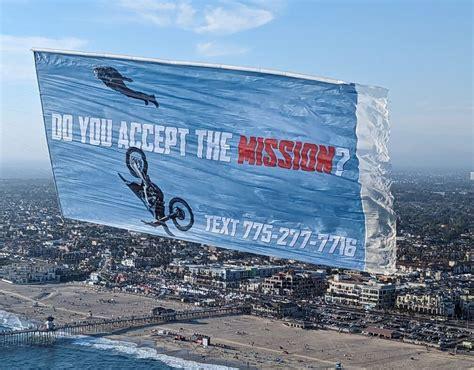
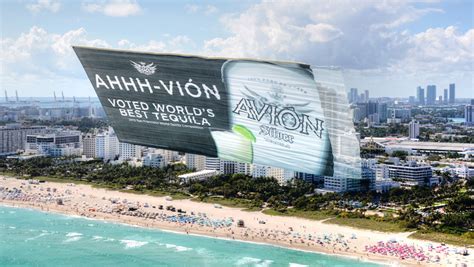
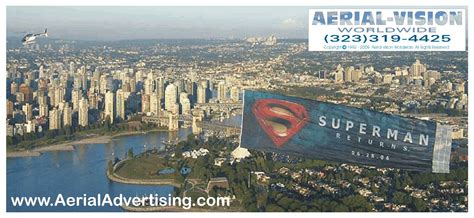
- Aerial Billboards: Composed of large nylon canvases, these banners are digitally printed to reflect intricate branding. Despite slower production times, they offer unmatched visual impact.
- Logo Banners: A hybrid form, combining printed branding sections with modular letter panels. Popular for high-profile brand campaigns and personalized public messages like proposals.
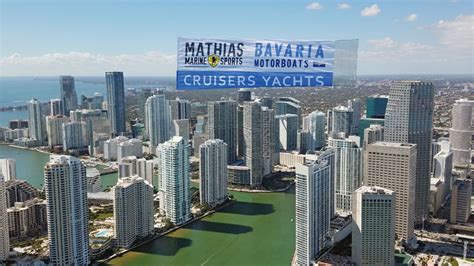
Each method relies on specialized aircraft equipped with grappling hooks or roller systems to pick up and deploy the banner safely. Pilots must execute precision maneuvers during takeoff and landing, where drag load poses the greatest risk.
Skywriting: The Ephemeral Signature of the Sky
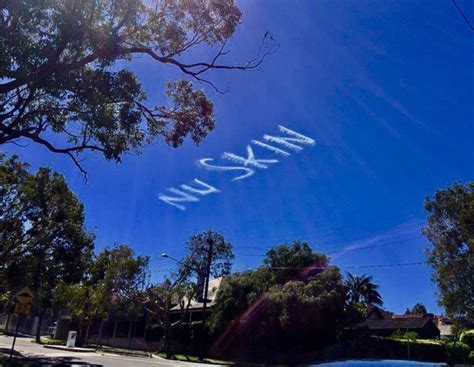
Skywriting, often considered the most poetic form of aerial marketing, uses small fixed-wing planes to emit oil-based vapor in the shape of words. Though messages must be brief—due to both fuel and wind dispersion—their sheer visibility in urban airspace offers unparalleled attention. Historically used by brands like the London Daily Mail in 1922, this method remains effective for real-time, event-specific campaigns.
Flogos: Floating Logos Made of Foam
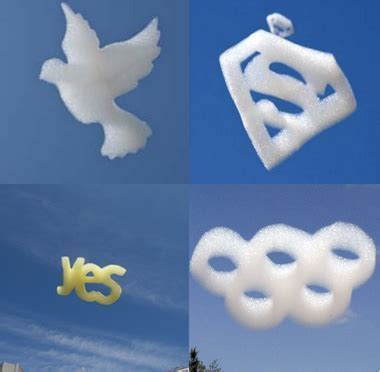
A modern addition to the aerial toolbox is the flogo, or floating logo. Developed by Global Special Effects, flogos are foam-based bubbles shaped using custom stencils. Once released, they ascend slowly through the air, offering low-altitude, crowd-level interaction with strong visual novelty. Flogos are especially effective at family events, concerts, and public festivals.
Aircraft Types and Their Operational Roles
Different aerial platforms offer unique capabilities based on range, speed, and payload. Each aircraft type plays a distinct role in targeting specific demographics and terrains:
Aerostats
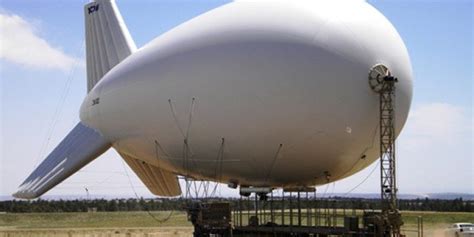
These include balloons and blimps that linger in low-altitude zones for extended durations. They have minimal fuel requirements, making them ideal for static ad displays over venues like sports stadiums or outdoor conventions.
Fixed-Wing Aircraft
Most commonly used in banner towing, fixed-wing aircraft such as crop dusters are prized for their agility and ability to deploy grapple hooks. However, rising concerns about low-altitude air traffic and evolving FAA regulations have led to reduced operations near urban centers.
Rotorcraft
Helicopters excel at towing massive fabric banners, sometimes reaching 20,000 square feet. Their ability to hover and rotate mid-air provides precise banner orientation, making them indispensable for targeted brand launches and VIP events.
Kite and Parasail Systems
Though less common today, kite-borne banners and parasail ads once dominated beachside marketing. These systems still find use in regions with high tourism density and minimal regulatory friction.
Effectiveness of Aerial Advertising in the Digital Era
Despite the rise of data-driven digital campaigns, aerial advertising retains high memorability and strong social engagement. This is largely due to:
- Isolated targeting: Beaches, highways, and event venues offer limited ad clutter.
- Visual dominance: Sky-high messages cut through ambient visual noise.
- Viral potential: Spectacular visuals are frequently captured and shared on social media, multiplying campaign reach organically.
That said, aerial methods face increasing regulation in major U.S. cities, especially over densely populated areas and events requiring temporary flight restrictions (TFRs).
Regulatory and Operational Challenges
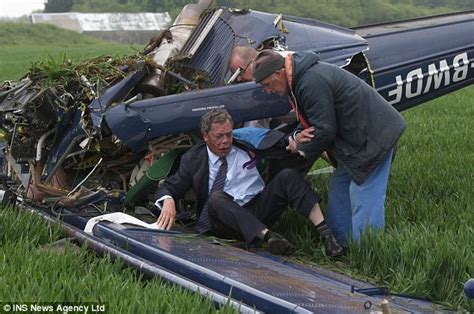
Safety is paramount. Common risks include grapple-deployment failure, towline entanglement, and stall-spin scenarios during low-speed climbs. A high-profile incident occurred in May 2010, when Nigel Farage was injured in a crash after a banner towline disrupted tail control surfaces.
To mitigate such risks, modern systems use ground-start roller mounts that spool banners into the air without requiring an airborne pickup. This transition alone has significantly reduced failure rates.
Case Studies in Aerial Marketing Impact
The legacy of aerial marketing is studded with high-impact historical campaigns:
- 1902: Spencer’s airship flies with Mellin’s Food sponsorship—one of the first commercial sky-bound ads.
- 1922: Pilot Cyril Turner skywrites “Daily Mail” above London, sparking a nationwide sensation.
- 1994: Future U.S. Secretary Tom Ridge promotes his congressional campaign with beachside banner planes in New Jersey, creating one of the most memorable political ad moments of the era.
These examples show how aerial visibility translates into cultural memory, a feat few modern digital banners can achieve.
Conclusion: The Future of Aerial Advertising
As the skies grow more regulated and digital alternatives dominate, aerial advertising must evolve to remain relevant. Innovations such as drone-based signage, lightweight video projectors, and autonomous LED kites hint at a future where sky marketing becomes more programmable and responsive. Yet the core value remains unchanged: a message in the sky feels monumental, personal, and unforgettable.
For campaigns aiming to make a visual impact at altitude, aerial advertising remains the ultimate intersection of aviation and persuasion—a medium where the sky is not the limit, but the canvas.