The language of aviation is rich with metaphor, history, and deliberate branding decisions. When travelers encounter airline names with terms like Air, Airlines, or Airways, they may wonder whether these variations imply different services, operations, or histories. The truth is both simpler and more fascinating: these words, while functionally interchangeable, reflect different eras, influences, and marketing philosophies in aviation history.
The Maritime Legacy in Aviation Naming
The evolution of transportation terminology reflects humanity’s tendency to borrow from the past to describe the future. In the maritime age, the term “line” referred to established shipping routes. Ships that routinely sailed these routes became known as “liners,” and major companies often incorporated the word “Line” into their names — such as White Star Line or Cunard Line.
As aviation emerged in the early 20th century, it looked to this maritime tradition for legitimacy and familiarity. This heritage birthed the term “air lines,” signifying commercial routes across the sky, akin to ocean liners traversing global waters.
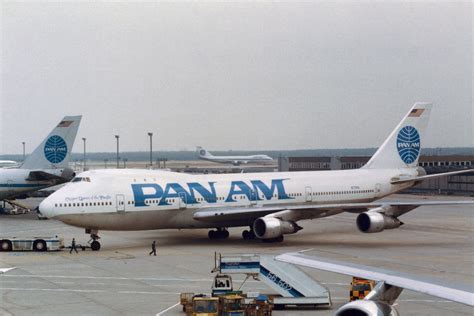
Early aviation companies like Pan American World Airways embraced naval aesthetics and structure. Their flying boats were called “Clippers”, echoing the name of fast sailing ships, and pilots wore sea captain uniforms. This marketing move reinforced safety, authority, and continuity between sea and sky travel.
The Rise of “Airlines” as the Industry Standard
As air travel became more mainstream and regulated, the spelling “airline” (without the space) began to dominate. It offered a cleaner, modern, and unified look. Yet in its early days, both “air line” and “airline” were widely used without much distinction. For instance:
- Eastern Air Lines
- Delta Air Lines (notably still using the original two-word styling)
- American Airlines
- United Airlines
The term “airline” eventually emerged as the dominant form. It signaled not just the route but the company operating those routes. By the mid-20th century, it had become the international norm, used in virtually every country with a commercial aviation sector.
“Airways”: Routes in the Sky or Marketing Semantics?
The word “airways” has a slightly different origin. While “airlines” drew from maritime traditions, “airways” looked to the concept of structured travel routes — specifically, the designated aerial highways aircraft follow during flight. These airways are crucial for maintaining traffic separation, ensuring navigation, and promoting air safety.
Yet, when it comes to naming an airline, the use of “airways” is rarely about technical distinction. It’s often regional or stylistic. Some prominent examples include:
- British Airways
- Qatar Airways
- Etihad Airways
- US Airways (now merged into American Airlines)
- Breeze Airways
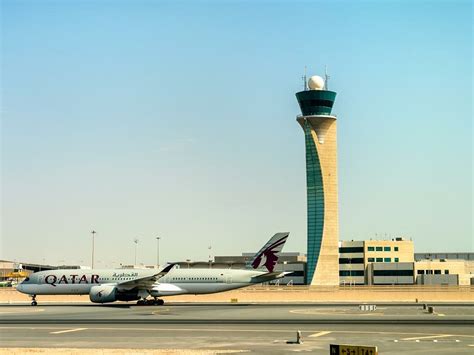
In these cases, “airways” evokes a poetic image of invisible roads in the sky, conveying a sense of direction, structure, and global connectivity. For British Airways, the name aligns with the country’s long tradition of “railways” and “motorways,” suggesting continuity with national transport vernacular.
The Singular “Air”: Simplicity, Elegance, and Brand Reach
Some carriers take a different route altogether, using only the word “Air.” It’s a succinct, globally understood term that places emphasis on the medium of travel rather than the network or system. Examples include:
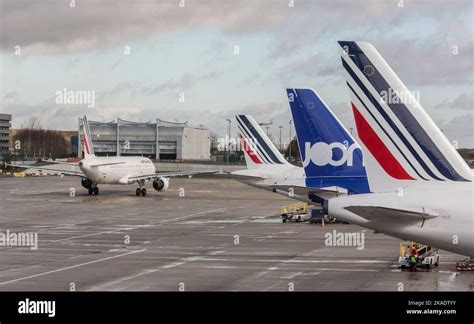
- Air France
- AirAsia
- Air Canada
- Air India
This minimalist naming approach is common among flag carriers or airlines with strong national identities. “Air” becomes a prefix that immediately signals the nature of the business while allowing the second part of the name to project origin, scope, or cultural association.
In some cases, particularly outside English-speaking countries, airlines localize the word “air” using native terms:
- Lufthansa (German: Luft = air, Hansa = guild)
- Aer Lingus (Irish: translates to “air fleet”)
- Aeroméxico (Spanish: Aero = air)
- Aerolíneas Argentinas (Spanish: Argentine Airlines)
Spelling Matters: “Air Line” vs “Airline”
One intriguing linguistic footnote in aviation naming is the enduring presence of Delta Air Lines, which retains the archaic two-word spelling. Founded in 1925, Delta is the oldest operating airline in the United States. Its name is a deliberate nod to its roots — a time when “air line” was the accepted form.
While most airlines eventually dropped the space for modern branding consistency, Delta has held onto its name as a badge of heritage. This distinction reinforces the airline’s longevity, prestige, and historical significance.
It’s similar to other linguistic holdovers in institutional names — like “theatre” in place of “theater,” or “connexion” instead of “connection.” Such choices become part of the brand’s DNA.
Railways, Roads, and Skyways: Cross-Pollination of Travel Terminology
Transportation industries have always borrowed from one another. When trains became mainstream in the 19th century, they adopted terms from ships (e.g., conductor, engineer) and introduced their own: railways, railroads, and lines.
Air travel continued this tradition. It not only used “lines” from ocean travel but also “ways” from ground transport. This layering of terminology helped travelers understand aviation using concepts they already knew.
- “Line” = maritime heritage (routes over water)
- “Way” = land-based systems (pathways, infrastructure)
- “Air” = the new frontier (medium of travel)
Thus, names like Western Canadian Airways or Imperial Airways from the early 20th century weren’t trying to imply new business models — they were simply finding the most resonant words of the time.
The Power of Branding and Global English
Naming in aviation is almost always a branding decision. There is no functional distinction between a company calling itself an airline, airways, or air. Each airline selects a name that aligns with:
- Market perception
- Cultural and linguistic relevance
- National identity
- Brand tone (premium, budget, leisure)
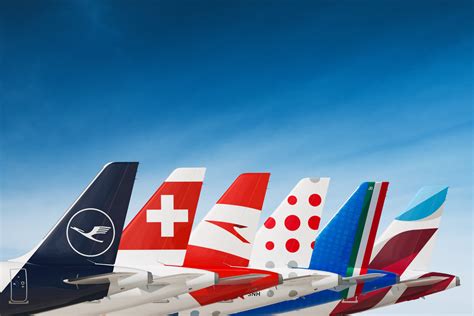
With English as the lingua franca of aviation, most carriers incorporate English terminology in their names — even those in non-English-speaking countries. This strategy ensures instant recognition and global reach.
Still, some proudly retain native-language terms, especially legacy carriers founded before the dominance of English in aviation. These include:
- KLM (Koninklijke Luchtvaart Maatschappij – Royal Dutch Airlines)
- Avianca (from Colombia, using a Spanish acronym)
- Alitalia (formerly Italy’s national airline)
Beyond Tradition: New Age Naming Trends in Aviation
The modern airline naming scene sees increasing creativity, especially among low-cost carriers and new market entrants. These names often forgo tradition and embrace bold, simple, or catchy branding tactics.
Examples include:
- easyJet: budget-oriented, casual branding
- IndiGo: playful, modern twist on “go” and India
- CitiLink: suggests connectivity and urban appeal
- SkyWest: geographical and aspirational
- Eurowings: pan-European identity with mobility focus
- flydubai: action-oriented and location-specific
- SunExpress: leisure-focused branding
Even French bee, an airline focused on low-cost long-haul leisure travel, departs from all conventions with a brand that’s quirky, friendly, and consumer-first.
Final Approach: A Sky Full of Semantics
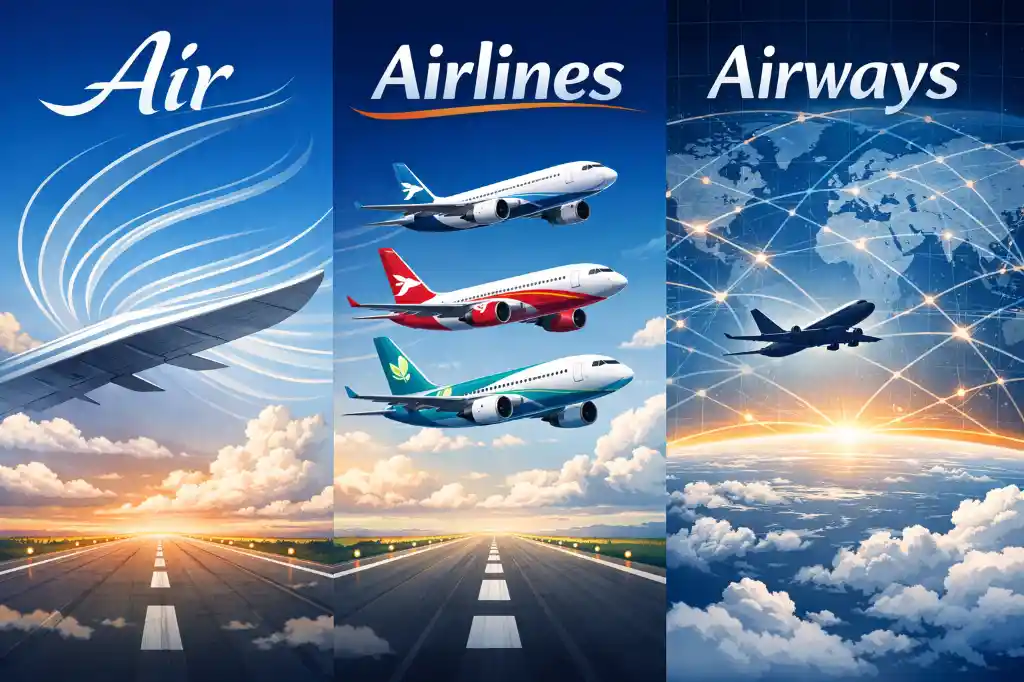
Ultimately, the distinctions between “Air,” “Airlines,” and “Airways” are not operational but symbolic. They reflect different historical influences, branding strategies, and regional preferences. These naming conventions serve to connect the unfamiliar world of flight to familiar frameworks drawn from sea, land, and language.
- “Airlines” evokes global routes and a company-operated network, rooted in maritime tradition.
- “Airways” emphasizes structured aerial corridors and navigation, with subtle nods to rail and road infrastructure.
- “Air” offers simplicity and universal clarity, often paired with national or geographical identifiers.
None of these terms define how an airline operates — they define how it wants to be perceived. As aviation continues to evolve, so will the vocabulary, but the poetic overlap of sky and sea, road and air, will remain etched in how we name and navigate the heavens.