Aerobatics is the ultimate expression of mastery in aviation, blending physics-defying precision with dramatic visual spectacle. Unlike conventional flight, aerobatics embraces extreme aircraft attitudes and rotational dynamics around roll, pitch, and yaw axes. These maneuvers form breathtaking displays of pilot skill, structural engineering, and raw power, commonly witnessed at airshows, competitions, and military training exercises. From the dramatic loops of the Frecce Tricolori over Rome’s skyline to the razor-sharp rolls of Patty Wagstaff’s aircraft above Colorado, aerobatics embodies an art form where gravity is a playground and risk is a canvas.
Origins of Aerobatics: From Flying Circuses to Battlefield Tactics
Aerobatics began as daring entertainment in the early 20th century with barnstormers and flying circuses, where pilots like Lincoln Beachey and Bessie Coleman stunned crowds with loops, spins, and stalls. These pioneers, flying barely reliable biplanes, laid the groundwork for what would evolve into strategic aerial maneuvers in warfare. During World War I, pilots quickly discovered that acrobatic ability often meant the difference between survival and death. Maneuvers like the Immelmann turn and Split S emerged from necessity—tactical tools to outmaneuver opponents in dogfights.
As aviation matured, aerobatics evolved into an elite discipline. No longer merely theatrical, it became embedded in military training programs, civilian airshows, and international competitions, each with its own technical demands and safety parameters.
Types of Aerobatic Aircraft: Specialist vs Dual-Purpose Designs
Not all aircraft are created equal when it comes to aerobatics. Broadly, they fall into two categories:
- Specialist Aerobatic Aircraft: Designed for maximum maneuverability and g-load endurance, these aircraft often sacrifice versatility for performance. Examples include:
- Pitts Special
- Extra 200 and 300
- Sukhoi Su-26 M
- Sukhoi Su-29
These machines are capable of pulling tight loops, instantaneous rolls, and rapid climbs with almost surgical precision.
- Aerobatic-Capable General Aircraft: These models—like the Cessna 152 Aerobat and the Robin R2160 Acrobin—are capable of executing basic aerobatic figures while also accommodating passengers or cargo. Their designs prioritize operational flexibility but still offer sufficient structural integrity to endure modest g-forces.
Aerobatic Maneuvers: The Language of Flight Precision
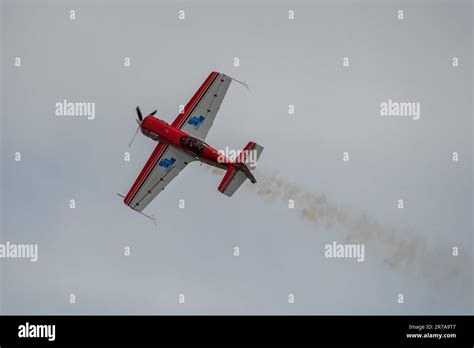
Aerobatic maneuvers push aircraft and pilot beyond normal operating envelopes. Common movements include:
- Loops: Vertical circular flight paths
- Barrel Rolls: A combination of roll and loop resulting in a helical path
- Snap Rolls: High-speed roll induced by a stall on one wing
- Hammerhead Turns: Vertical climbs that pivot sharply into a downward dive
These movements rely on intimate control of throttle, aileron, rudder, and elevator input, often with split-second adjustments. For example, the “Lazy Eight” maneuver presents a figure-eight path from a wingtip perspective and demands symmetry and spatial awareness.
Formation Aerobatics: Teamwork at Supersonic Precision
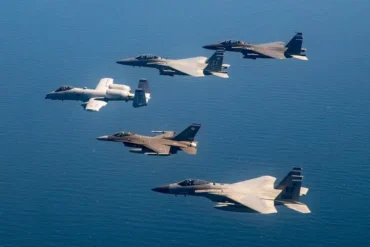
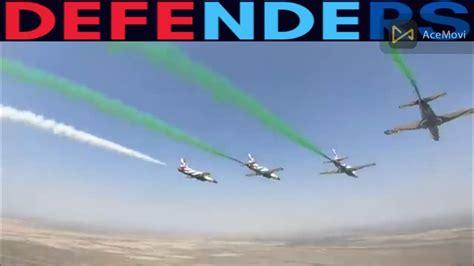
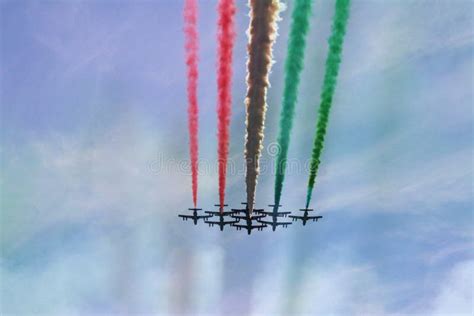
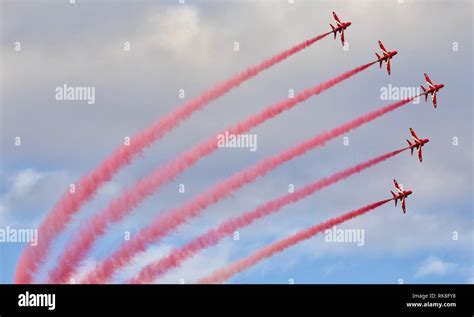
Formation aerobatics is a theater of synchronicity, where multiple aircraft—ranging from four to sixteen—fly in complex, tight formations, often separated by mere feet. Elite military teams like the U.S. Navy Blue Angels, RAF Red Arrows, and Frecce Tricolori conduct rehearsed routines at high speed, emitting colorful smoke trails to amplify pattern visibility and national pride.
The challenge amplifies in jet-powered formations, where higher speeds increase g-forces and the margin for error narrows. The inability to harness propeller gyroscopic forces in jets means that only the most experienced pilots can execute controlled rolls and loops without compromising safety.
Smoke, Spectacle, and Stunts: Airshow Aerobatics
Stunt flying at airshows adds a visceral dimension to aerobatics. Low-altitude loops, knife-edge passes, and inverted dives captivate audiences—but they are also among the most dangerous maneuvers in aviation. Colored smoke enhances visibility and showmanship, typically produced by vaporizing fog oil injected into the exhaust or via dedicated devices.
The use of smoke in military demonstrations was pioneered by the Fleet Air Arm’s 702 Squadron ‘The Black Cats’, who unveiled the capability at the Farnborough Airshow in 1957. Today, performers like the Utterly Butterly wingwalking team continue this legacy, adding daredevil performers strapped to aircraft executing maneuvers mid-flight.
Aerobatic Training: Precision Through Discipline
No aerobatic routine is left to chance. Every maneuver is backed by rigorous training, simulations, and physiological conditioning. Military pilots undergo advanced instruction in aerobatics as part of their combat-readiness curriculum. Civilian pilots must master upset recovery techniques and control handling at both high and low speeds.
In Europe, a special aerobatics rating is required, following both written exams and flight evaluations. Canada is more lenient—though flying passengers during aerobatic flights requires ten hours of dual aerobatic instruction or twenty hours of total aerobatic experience. Accidents remain rare in competition environments due to altitude and safety constraints but increase significantly in airshows due to proximity to the ground and time-critical maneuver execution.
Competitive Aerobatics: From Primary to Unlimited Class
Governed by the Fédération Aéronautique Internationale (FAI) through the Commission Internationale de Voltige Aérienne (CIVA), aerobatic competitions are judged based on precision, smoothness, and adherence to the Aresti Catalog, a symbolic system that diagrams aerobatic sequences.
Levels of competition include:
- Primary (Beginner)
- Sportsman (Standard)
- Intermediate
- Advanced
- Unlimited – where pilots endure g-forces up to +8g/-6g, approaching human tolerance limits.
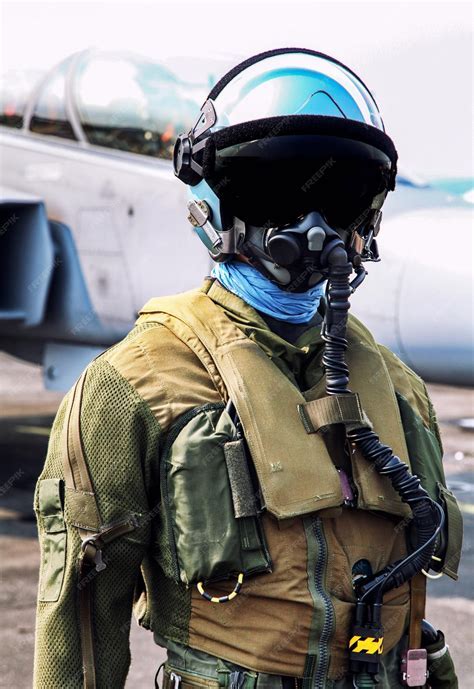
Experienced competitors wear anti-g suits and train to resist g-induced loss of consciousness (G-LOC). Managing g-force exposure requires not only physical strength but also controlled breathing techniques and muscle contraction drills.
Helicopter Aerobatics: Vertical Theater in the Skies
While fixed-wing aerobatics dominate the scene, some helicopters—like the MBB Bo 105 and Westland Lynx—are capable of limited aerobatic routines. These agile machines defy expectations by executing loops and rolls once thought impossible for rotary-wing aircraft. Military display teams from the British Army, Royal Navy, Spanish Air Force, and Indian Air Force have incorporated these helicopters into airshows, adding a new dimension of vertical performance to the aerobatic landscape.
Aerobatics in Popular Culture: Films, Games, and Flight Simulations
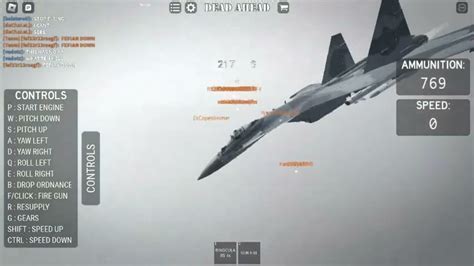
Aerobatics has long held a place in cinema and interactive media. Films like Cloud Dancer (1980) and The Great Waldo Pepper (1975) dramatized the adrenaline-fueled culture of competitive flying. In gaming, franchises such as Ace Combat, AeroWings, and Flight Unlimited introduced millions to the thrill of loop-de-loops and barrel rolls—while simulators like X-Plane and Microsoft Flight Simulator X enabled enthusiasts to experience aerobatics with physics-based realism.
In virtual communities like VRChat, flight clubs emulate aerobatic displays, further blending reality and simulation, training and play.
Conclusion: Where Engineering Meets Art in the Sky
Aerobatics is more than a sport, more than a performance—it is a union of aerodynamics, artistry, courage, and control. Each maneuver is a testament to the capabilities of both machine and human, pushed to the edge of possibility. Whether performed by solo artists in their custom-built aircraft or elite military teams representing national pride, aerobatics continues to mesmerize audiences and inspire the next generation of aviators. In an age dominated by automation, aerobatics remains a pure, high-octane expression of manual flight excellence.