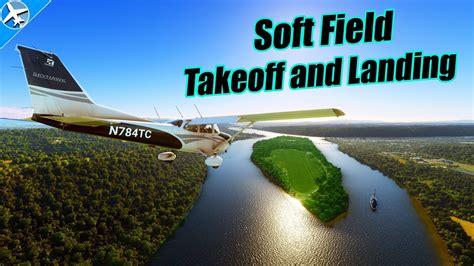
Soft field landings are a critical component of safe pilot operations, especially when operating in conditions where the surface of the landing strip is not paved, compact, or smooth. Whether it’s a grassy airstrip, a dirt runway, or a rain-softened field, understanding how to execute this maneuver with precision is essential. In this comprehensive guide, we explore every technical nuance of soft field landing, from stabilized approach to a delicate rollout, rooted in FAA principles, real-world pilot techniques, and grounded aerodynamic theory.
The Purpose of a Soft Field Landing
Soft field landings are designed to protect the aircraft’s landing gear, particularly the nose wheel, and maintain safety on unstable surfaces. Unlike hard-surfaced runway landings, soft field procedures focus on keeping the aircraft light on its wheels for as long as possible, minimizing drag and impact forces.
These landings simulate or accommodate conditions like:
-
Wet, muddy, or snowy grass strips
-
Lightly maintained gravel runways
-
Remote or unimproved landing sites
The ultimate goal is to land softly and maintain momentum, ensuring the aircraft does not bog down into the soft surface.
The Approach Phase: Setting Up for Success
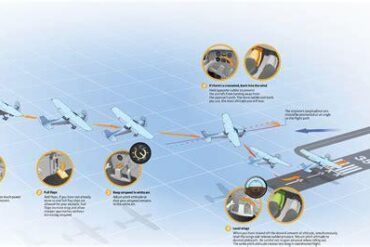
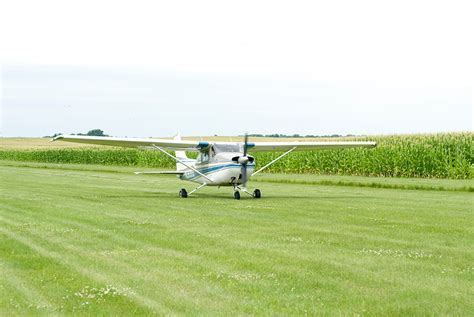
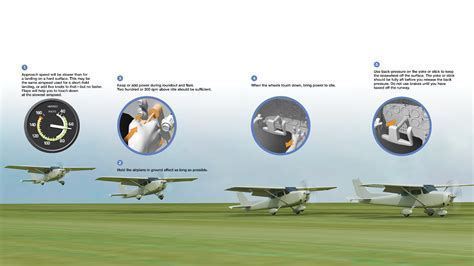
A successful soft field landing begins with a stabilized approach. We must ensure proper speed, descent rate, and configuration. The Airplane Flying Handbook recommends using full flaps and flying final at approximately 1.3 Vso (stalling speed in landing configuration), unless the Pilot’s Operating Handbook (POH) suggests otherwise.
The aircraft must remain fully configured for landing by the time we intercept the final approach segment. Precision in this phase reduces variability and enables a gentle and targeted touchdown.
Key attributes of a stabilized approach include:
-
Constant descent rate
-
Final approach speed held within 5 knots
-
Proper flap setting
-
Minimal lateral deviation
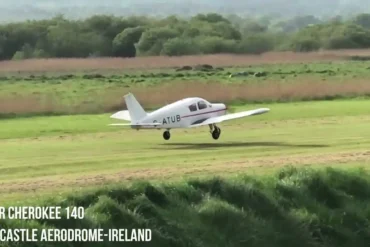
As we pass the runway threshold, the technique becomes more delicate. The aircraft should be held 1–2 feet above the surface in ground effect. This allows energy to dissipate, reducing forward speed without a sudden drop onto the runway.
The ground effect cushion enables wings to continue supporting the aircraft’s weight, transitioning more gently to the surface.
The Touchdown: Gentle and Controlled Contact
Touchdown is the defining moment in a soft field landing. We do not descend into the field; we fly the airplane onto the surface. This critical nuance protects both the aircraft’s structure and landing gear.
In many situations, a small amount of power can be used to arrest descent and fine-tune the landing flare. However, this must be used judiciously. Too much power causes float and extended rollout.
We aim to:
-
Touch down with main wheels first
-
Keep back pressure applied on the yoke
-
Delay nose wheel contact as long as feasible
Low-wing aircraft experience stronger ground effect due to the proximity of the wing to the surface, offering a wider cushion. Conversely, high-wing aircraft may require slight throttle modulation to maintain ground effect and avoid premature sink.
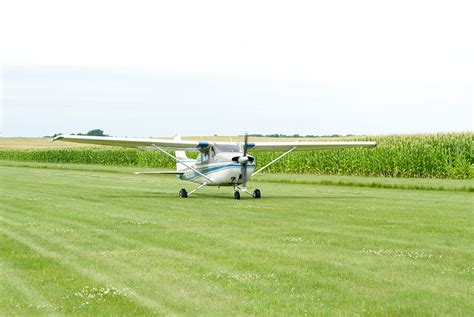
Aircraft attitude during touchdown must remain slightly nose-high. This maximizes the angle of attack, prolongs lift, and keeps the nose wheel off the field, reducing the risk of digging into soft terrain.
The Rollout: Gentle Handling Post-Touchdown
Once we’ve established main wheel contact, the focus shifts to managing the rollout phase. This phase is often overlooked, but mishandling it can negate a perfect touchdown.
We must avoid using brakes unless absolutely necessary. Braking can cause the nose to pitch forward, especially on soft or wet fields. In many cases, aerodynamic braking—maintaining full back elevator pressure—is sufficient.
Maintain:
-
Full aft elevator pressure
-
Smooth directional control via rudder
-
A slow and controlled deceleration
The nose wheel should not touch down until speed is minimal and momentum is naturally reduced. This ensures that the most delicate part of the landing gear isn’t subjected to jarring impact forces.
After nose wheel contact:
-
Continue applying back pressure during taxi
-
Avoid abrupt turns until on firm surface
-
Use minimum power required to clear the field
Surface Types and Their Influence
The characteristics of the landing surface heavily influence technique. For instance:
-
Grassy surfaces provide natural drag, assisting with deceleration
-
Wet or snowy fields require earlier power reduction and heightened attention to crosswind correction
-
Dirt or gravel runways can conceal ruts or debris—maintain soft control inputs and high awareness
Common Mistakes and How to Avoid Them
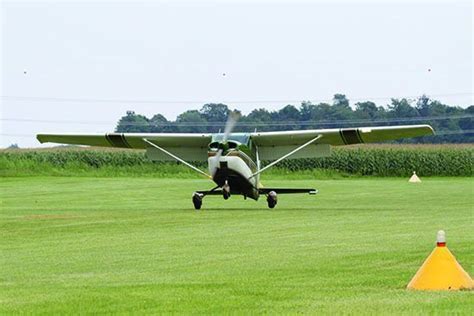
Soft field landings require precision, and common pitfalls can compromise safety and aircraft integrity.
Typical errors include:
-
Too steep a descent rate: Causes a hard touchdown that can damage the landing gear.
-
Excessive approach speed: Results in extended float and possible runway excursion.
-
Unstabilized approach: Makes timing the flare and touchdown extremely difficult.
-
Early nose wheel contact: Increases the risk of propeller strikes and gear stress.
These can be avoided by rigorously adhering to procedure, understanding the aerodynamics involved, and practicing regularly under instruction before attempting on unfamiliar or challenging fields.
Aircraft Type Considerations
While the principles remain constant, aircraft configuration influences technique.
-
Tricycle gear aircraft benefit most from holding nose wheel off the ground.
-
Tailwheel aircraft have different weight distribution and require more nuanced rudder control during rollout.
-
Retractable gear aircraft demand additional focus on timing and flare precision to avoid gear stress.
Pilots must tailor soft field techniques to their specific aircraft’s characteristics, as detailed in the POH and supplemented by flight instruction.
Transition to Taxi
Post-rollout, the transition from landing to taxi must also consider surface softness. We must:
-
Keep back pressure applied to minimize nose gear weight
-
Use minimum throttle to avoid tire sinking
-
Avoid aggressive rudder or brake use
-
Exit the soft area as soon as a firm taxiway is available
When possible, plan taxi routes before landing and communicate with ground control to ensure a safe and efficient movement.
Final Thoughts: Practice Builds Confidence
Perfecting the soft field landing technique is not a one-time event—it’s an evolving skill that improves through repetition, feedback, and conditions-based adaptation. We must remain flexible, focused, and continually evaluate our aircraft behavior during each landing to refine performance.
By respecting the principles of lift retention, momentum management, and surface sensitivity, we develop safer and more consistent soft field landings.
FAQ
What is the purpose of holding the aircraft in ground effect during a soft field landing?
Holding the aircraft in ground effect allows the wings to continue supporting much of the aircraft’s weight. This softens the touchdown, reduces forward speed, and minimizes impact stress on the landing gear, especially the nose wheel.
Should I always use power during a soft field landing?
Using a small amount of power during the flare phase can help manage descent and extend ground effect time, but it is not mandatory. The decision should be based on aircraft type, field conditions, and personal proficiency.
Why is the nose wheel contact delayed during soft field landings?
The nose wheel is typically the most vulnerable landing gear component. Delaying its contact avoids sudden pitch changes, prevents it from digging into the soft surface, and ensures smoother deceleration and control.