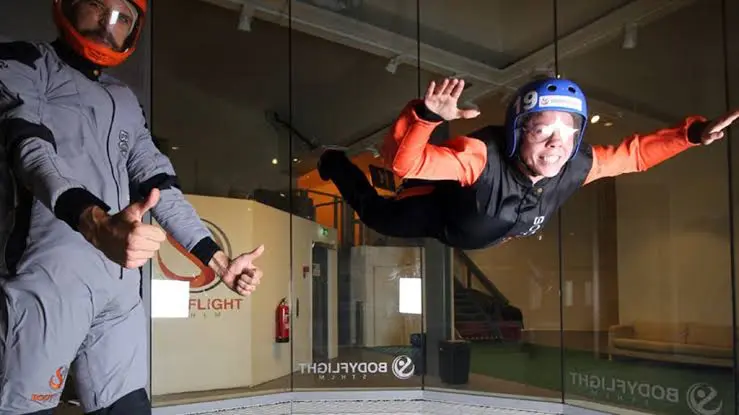
Bodyflight, a fascinating and rapidly evolving discipline in skydiving, allows enthusiasts to experience the sensation of freefall in a controlled environment. Whether in a vertical wind tunnel or during a skydive, bodyflight encompasses a broad range of techniques, poses, and movements that push the boundaries of what can be done in the air. In this article, we will explore the core elements of bodyflight, the skills required, the most common flight poses, and the cutting-edge technology that makes this exhilarating sport possible.
The Fundamentals of Bodyflight
Bodyflight refers to the act of staying or moving within an air stream, with the primary goal of controlling one’s body position and motion. This control is achieved by adjusting the body’s drag and manipulating airflow. Whether practicing in a wind tunnel or performing an actual skydive, the concept remains the same—altering the body’s aerodynamic properties to navigate the air.
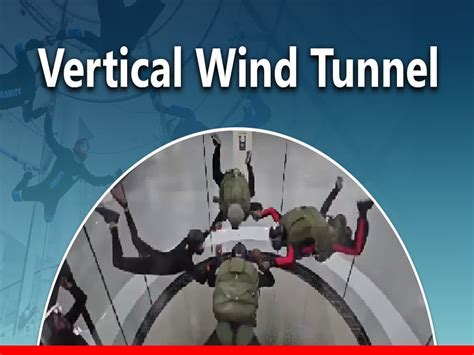
A vertical wind tunnel is often used to simulate the sensation of freefall. This technology mimics the conditions of a skydive by creating an updraft of air strong enough (typically around 190 km/h) to support a person’s body in the air. Within this wind tunnel, the body moves in ways that mirror skydiving techniques, allowing individuals to refine their skills in flight poses, control their fall rate, and perfect aerial maneuvers.
The Role of Aerodynamics in Bodyflight
At the core of bodyflight is an understanding of aerodynamics. The human body, while not designed to be a perfect flying machine, can still be manipulated in ways that allow for controlled flight in the air. Much like an aircraft, the human body can be positioned to reduce or increase drag, essentially acting as an airfoil.
When participating in bodyflight, the body is positioned in a variety of ways to either accelerate or decelerate in the air stream. For instance, an individual may extend their arms and legs to create more drag, slowing down their fall, or curl their body into a more streamlined shape to reduce drag and increase speed. The ability to shift between different flight poses and movement techniques allows for extraordinary flexibility in navigating the sky.
Types of Flight Poses and Movements
A defining feature of bodyflight is the range of poses and movements that can be performed during a flight. These poses require significant control and precision, as the air pressure varies across different parts of the body, affecting movement and stability.
Common flight poses include:
- Mantis: A pose where the body is shaped like the insect, with arms bent and legs extended.
- Bumblebee: A dynamic, flowing position that mimics the fluttering movement of a bee.
- Dragon: A more aggressive pose with legs spread wide, providing maximum drag.
- Lotus: A meditative, balanced pose that requires exceptional control of the body.
- Star: A spread-eagle position with arms and legs outstretched, increasing surface area and drag.
These poses serve as the foundation for various aerial acrobatics, with skydivers and tunnel rats seamlessly transitioning between them to perform more complex tricks. For example, the transition from a Lotus to a Mantis is a delicate move that requires careful control of both posture and airflow.
Movements and Flight Transitions
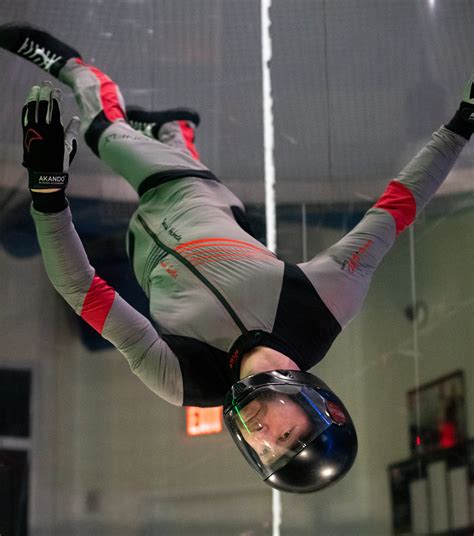
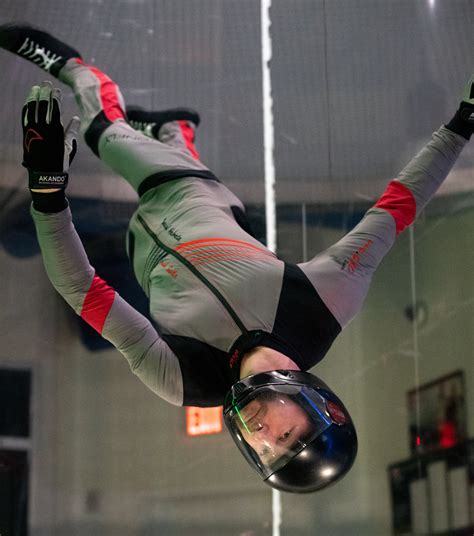
In addition to maintaining a stable pose, bodyflight also involves movement within the air stream. These movements can include rotations, lateral shifts, and even flips. Skydivers can rotate their bodies along different axes, using their arms and legs as rudders to steer their movement in the desired direction.
Flight transitions are another crucial component of bodyflight. These are the moments when a skydiver or tunnel flyer shifts from one pose to another, changing how their body interacts with the airflow. A skilled bodyflier can effortlessly transition from a fast-falling position to a slow, controlled descent, or from a tight, aerodynamic pose to a wide, drag-inducing formation.
The Skill of Fall Rate Control
One of the most important aspects of bodyflight is controlling the fall rate. Fall rate refers to the speed at which a body descends through the air. Skilled bodyfliers can manipulate their fall rate by adjusting the body’s position and surface area, effectively controlling the speed at which they fall.
Skydivers often use fall rate control when participating in formation skydiving, where multiple individuals link together in midair, performing synchronized maneuvers before deploying their parachutes. By adjusting their body positions in subtle ways, skydivers can either speed up or slow down their descent, allowing them to stay in close proximity to one another.
The Technology Behind Bodyflight
The development of wind tunnel technology has been a game-changer for the bodyflight community. Wind tunnels allow athletes to practice and refine their flying skills in a controlled environment, without the need for jumping out of an airplane. These facilities create powerful updrafts of air that simulate the conditions of freefall, enabling individuals to experience the thrill of flying without the risk or expense of an actual skydive.
Modern wind tunnels are equipped with advanced technology to monitor and control the airflow, ensuring that conditions remain consistent and safe for flyers. The wind speeds are carefully calibrated to provide an experience similar to freefall, typically around 190 km/h (118 mph). With this technology, individuals can practice their flight poses, maneuvers, and transitions with precision.
The Role of Bodyflight in Skydiving Training
For many skydivers, wind tunnels are an essential tool for training. Before ever stepping out of an airplane, skydivers can use the tunnel to gain a sense of what it feels like to control their body in freefall. This practice builds muscle memory and confidence, allowing individuals to refine their technique and learn the subtle movements that control their position in the air.
In fact, many professional skydivers spend a considerable amount of time in the wind tunnel, developing skills that can then be applied to actual skydives. Bodyflight is crucial for precision in formation skydiving, where teams of skydivers must maintain close contact during freefall. With hours of tunnel practice, skydivers can perform complex formations with accuracy and safety.
The Culture and Community of Bodyflight
Bodyflight is more than just a sport; it’s a culture. Individuals who are passionate about bodyflight often refer to themselves as “tunnel rats,” a nod to the frequent and enthusiastic participation in wind tunnel flying. Just as avid skiers are known as “ski bums,” tunnel rats embrace their love for flying and the unique skills it requires.
Competitions and performances play a significant role in the bodyflight community. There are numerous world championships and local contests where individuals or teams showcase their flying abilities, demonstrating tricks, transitions, and formations to judges. These events push the limits of what’s possible in the air and celebrate the artistry and athleticism of bodyflight.
Conclusion
Bodyflight is a dynamic and thrilling sport that continues to evolve as technology and skill development advance. It combines athleticism, precision, and creativity, offering a unique opportunity for individuals to experience the sensation of flight in a controlled, yet exhilarating environment. Whether you’re a skydiver looking to enhance your technique or a novice eager to explore the world of bodyflight, there’s never been a better time to take to the skies and master the art of flying.
With cutting-edge wind tunnel technology and an ever-growing community of enthusiasts, bodyflight is poised to continue its rise as one of the most exciting sports in the world, attracting athletes of all ages and skill levels to experience the thrill of flight like never before.