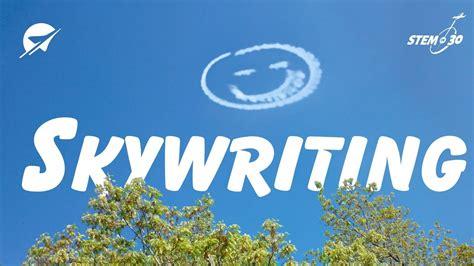
Look up on a clear afternoon, and you might see a message delicately scrawled across the blue canvas, white letters dissolving into wisps of vapor as the wind slowly erases them. These sky-high messages, often reserved for grand gestures, advertisements, or declarations of love, are part of a fascinating aviation tradition known as skywriting.
While many are familiar with the white trails that jets leave behind, known as contrails, skywriting is a distinct and intentional form of airborne communication, requiring precision, expertise, and specialized equipment.
The Difference Between Contrails and Skywriting
Contrails, short for “condensation trails,” are streaks of condensed water vapor that form behind high-flying aircraft. They occur when hot exhaust gases mix with the frigid temperatures of the upper atmosphere, causing moisture to condense into visible clouds. These are an inevitable by-product of jet engines and are entirely different from the artistic expressions created by skywriters.
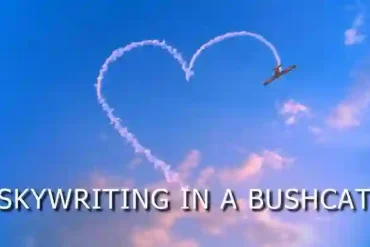
Skywriting, by contrast, is intentional. The smoke trails forming messages or symbols across the sky are produced by specially equipped aircraft operated by skilled pilots. Unlike contrails that appear at high altitudes unintentionally, skywriting happens much lower in the atmosphere and is meticulously choreographed.
How Do Planes Create Messages in the Sky?
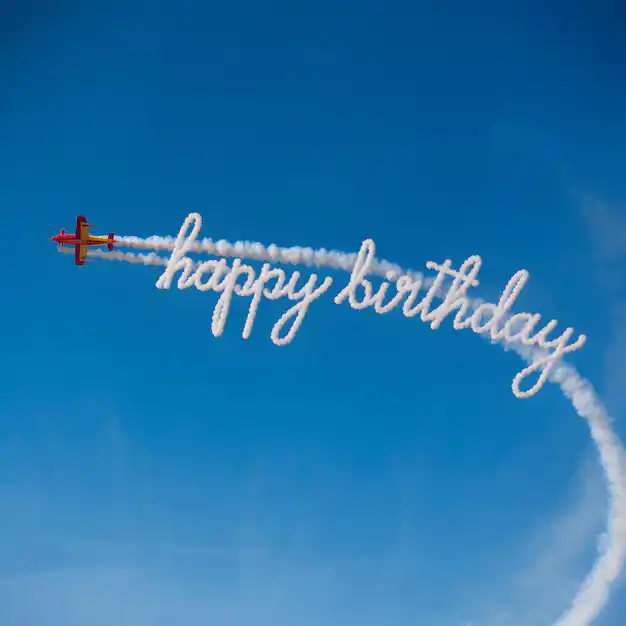
The art of skywriting relies on a relatively simple yet effective technology. Aircraft, usually small, agile planes, are fitted with smoke-emission systems. These systems consist of pressurized containers filled with a specific type of oil, commonly referred to as paraffin-based or mineral oil.
When the pilot activates the system, the oil is released onto the plane’s heated exhaust manifold. The extreme heat vaporizes the oil almost instantly, creating a thick, white trail of smoke that contrasts vividly against the blue sky. Pilots have full control over the smoke emission, allowing them to start and stop the trail as they maneuver the aircraft, much like an artist lifting a pen off the paper.
Unlike conventional contrails, which can stretch for miles and linger depending on atmospheric conditions, skywriting trails are localized and designed to form legible patterns or text. The visibility and clarity of these messages depend heavily on wind speed, humidity, and the skill of the pilot.
The Origins of Skywriting: A Historical Perspective
The history of skywriting dates back over a century, rooted in the evolution of aviation itself. The earliest recorded instances emerged during World War I, when pioneering pilots began experimenting with smoke trails for visibility and signaling purposes. The concept quickly evolved beyond military applications, entering the public consciousness as a form of entertainment and communication.
One of the first documented commercial skywriting events took place in 1922, when Royal Air Force pilot Captain Cyril Turner wowed Londoners by writing “Daily Mail” over the city as part of an advertising campaign. The impact was immediate, captivating onlookers and demonstrating skywriting’s potential as a powerful marketing tool.
In the United States, skywriting gained momentum throughout the 1920s and 1930s. Companies recognized the novelty and scale of having their brand names emblazoned across the sky, leading to a golden era of aerial advertising.
The Role of Skywriting in Modern Times
Despite advancements in digital advertising and communications, skywriting remains a cherished spectacle, often associated with personal milestones, public stunts, and special occasions. The sheer scale and fleeting nature of these airborne messages make them memorable and emotionally impactful.
Common Uses of Skywriting Include:
- Marriage Proposals: Few gestures match the romantic grandeur of proposing with a message etched across the sky.
- Advertising Campaigns: Brands continue to leverage skywriting to create buzz, with Pepsi-Cola being one of the most notable examples.
- Public Announcements: From political slogans to event promotions, skywriting offers unmatched visibility.
- Artistic Displays: Some performances push beyond words, creating symbols, emojis, or abstract patterns purely for visual impact.
Perhaps the most famous skywriting marketing initiative was orchestrated by Pepsi-Cola, which has deep roots in aerial advertising. The company acquired its own skywriting aircraft in 1973 after decades of hiring planes for promotional flights. For over 25 years, the brand’s messages soared across major cities, captivating millions of spectators.
How Much Does Skywriting Cost?
The grandeur of skywriting comes with a significant price tag. Experts estimate that the cost of a personalized message typically ranges from $6,000 to $8,000, depending on various factors such as:
- Message length and complexity
- Geographic location
- Duration of visibility
- Type of aircraft used
These costs account for the highly specialized skills required from pilots, fuel expenses, and the precise planning needed to ensure the message is both legible and timely. Given the atmospheric conditions involved, skywriting is best performed on clear, calm days to maximize visibility and minimize distortion.
The Science and Precision Behind the Art
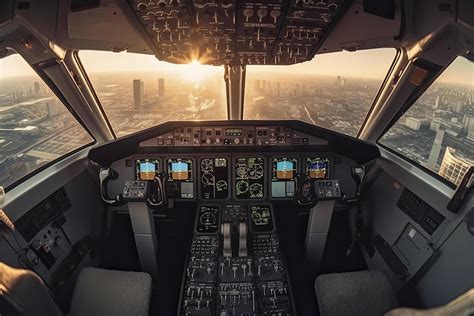
Skywriting is far from spontaneous; it demands meticulous planning, navigational accuracy, and understanding of meteorological conditions. Modern skywriters often utilize GPS technology to guide their flight paths, ensuring that each stroke aligns with the intended design.
Wind plays a critical role, with even slight gusts capable of distorting letters or shifting entire messages. Pilots must constantly adjust their trajectories, compensating for atmospheric interference in real time.
Moreover, timing is everything. Skywriting messages often fade within minutes, making the display both a transient marvel and a logistical challenge. This ephemeral quality, however, adds to the spectacle’s allure, creating a fleeting moment that commands attention.
Skywriting Versus Skytyping: What’s the Difference?
While both techniques involve inscribing messages across the sky, skywriting and skytyping differ significantly in execution and visual effect.
Skywriting relies on a single aircraft maneuvering through intricate flight patterns to draw freehand messages or shapes. This method requires exceptional pilot skill and results in more artistic, albeit less uniform, letters.
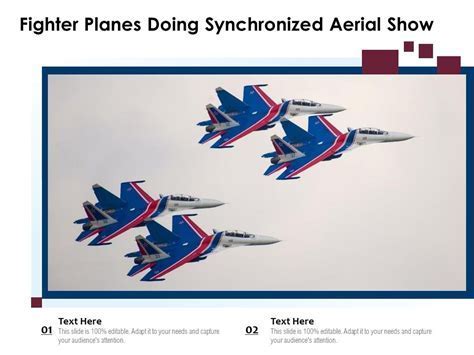
Skytyping, on the other hand, uses multiple aircraft flying in formation, each releasing synchronized smoke bursts to create dot-matrix style messages. This produces cleaner, more readable text, often suitable for longer messages or high-precision displays.
Skytyping’s origins date to the mid-20th century, and today, specialized teams continue to employ this method for large-scale advertising and announcements.
The Cultural Impact and Future of Skywriting
Despite the dominance of digital billboards, social media, and augmented reality, skywriting maintains its place as a timeless form of expression. Its ability to surprise, delight, and convey messages visible to thousands — sometimes millions — in a matter of minutes remains unmatched.
As technology evolves, the precision and environmental impact of skywriting are being refined. Modern smoke oils are designed to be non-toxic and biodegradable, addressing concerns about ecological effects. Additionally, GPS systems and advanced flight planning tools have elevated the art to new heights of accuracy.
In a world saturated with screens and constant digital noise, the sky remains an uncluttered, boundless medium — one where a heartfelt proposal, a bold advertisement, or a whimsical symbol can float freely, reminding us to occasionally look up.
The next time you spot delicate white letters forming above, know that behind those fleeting words lies a century of history, technical mastery, and human ingenuity dedicated to painting messages upon the sky itself.