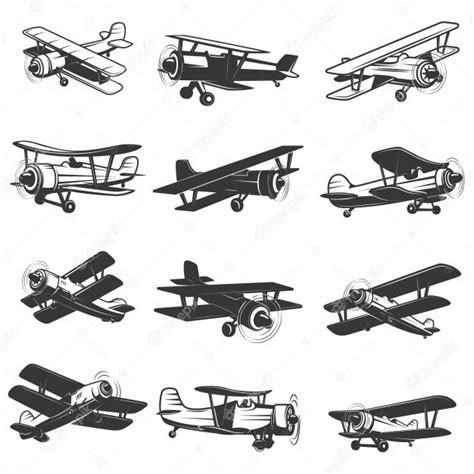
For generations of pilots and enthusiasts, vintage airplanes have represented far more than just machines. They are flying monuments to innovation, craftsmanship, and the adventurous spirit of early aviation. These aircraft helped shape the evolution of general aviation and military training, laying the foundation for the designs we see today. With their fabric-covered wings, tailwheel landing gear, and signature engine growls, these airplanes evoke nostalgia and admiration in equal measure.
Among the countless vintage aircraft that have graced the skies, a few have endured as truly legendary. They’re not just mechanically significant—they are emblems of design simplicity, reliability, and aviation history.
The Aeronca Chief: A Personal Plane with Lasting Appeal
Introduced in 1938, the Aeronca Chief is remembered as one of the earliest side-by-side, fabric-covered lightplanes built for personal flying. The original 50C Chief carried a modest 50-horsepower engine, offering just enough power for recreational and training flights. Its evolution into later variants like the 65LB and 65CA, equipped with Lycoming and Continental 65HP engines respectively, improved performance without departing from its inherently minimalist charm.
By 1945, the postwar aviation boom brought a redesign with the 11AC Chief. This version incorporated upgrades such as the McDowell Aero Safety Starter, integrated wiring for wingtip navigation lights, and Hanlon-Wilson mufflers, making it more capable for a broader range of pilots. Later derivatives like the 11BC (85HP) and 11CC, with enhanced control balance and braking systems, confirmed the Chief’s position as a versatile, user-friendly vintage aircraft.

Despite being overshadowed in sales by its sibling—the Aeronca Champ—the Chief has secured its place in aviation lore for its approachable handling and nostalgic flying experience.
Aeronca Champ: The Friendly Rival
The Aeronca Champ (7AC) launched in 1946 and became one of the most successful light sport aircraft of its time. Designed as a tandem-seating alternative to the Chief, it was tailored for flight training and sport flying. With a joystick instead of a yoke, it differentiated itself in control style and layout, catering to those who favored more traditional, stick-based aircraft handling.
Despite sharing 70–80% of its components with the Chief, the Champ outsold it by a wide margin—thanks in part to its nimble performance, affordability, and adaptability. The aircraft underwent several iterations, including the 7DC, 7CCM, and 7EC, with more powerful engines and upgraded systems. Remarkably, the Champ even reentered production in the 2000s under American Champion Aircraft, targeting the Light-Sport Aircraft (LSA) market.
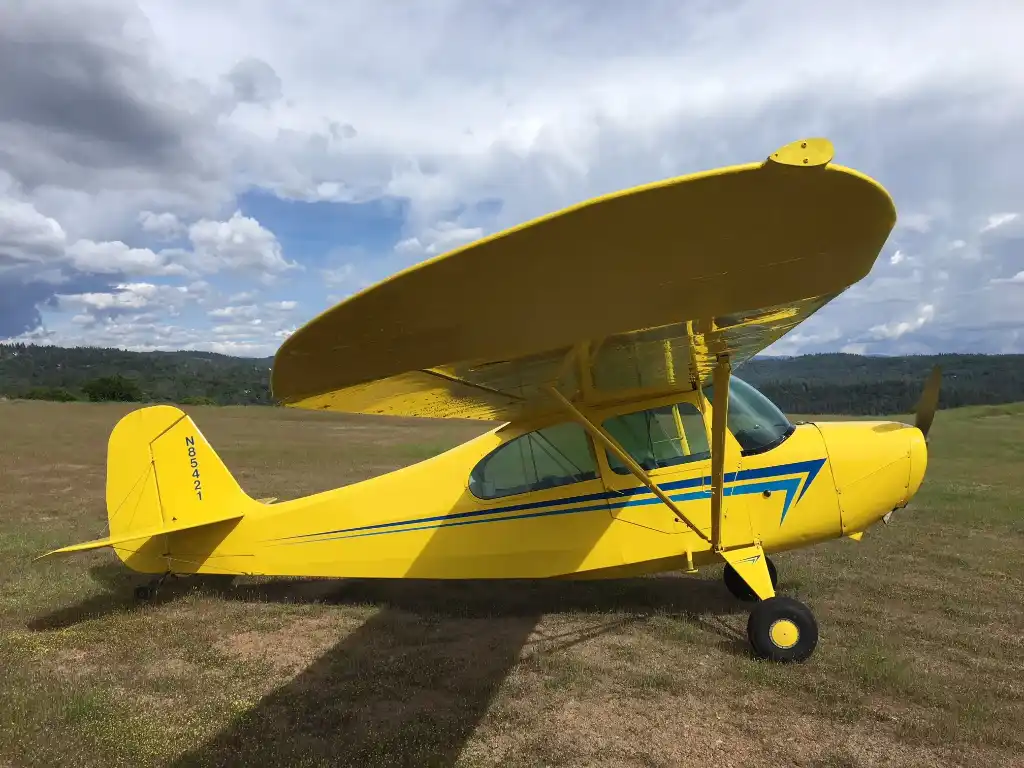
The enduring appeal of the Champ lies in its blend of simplicity, economy, and rugged performance. Its descendant, the aerobatic Citabria, remains in limited production, preserving its bloodline into the modern age.
Cessna 170: The True Predecessor of a Legend
Built between 1948 and 1956, the Cessna 170 represents a key transitional point in Cessna’s aircraft lineage. As a four-seat, single-engine taildragger, it served as a logical successor to the Cessna 140 and laid the groundwork for what would become the most produced aircraft in history—the Cessna 172.
Early 170 models featured the Continental C145-2 engine, producing 145 horsepower. This additional power, paired with the aircraft’s rugged build and increased fuel capacity, made it a favorite among backcountry pilots. In 1952, the 170B was introduced with Fowler wing flaps, allowing for better control at lower airspeeds and improved short-field performance.

Today, the 170 is prized by vintage enthusiasts for its forgiving flight characteristics, enduring construction, and historical significance as the direct ancestor of the Cessna 172. It remains a popular option among collectors and bush pilots alike.
Piper J-3 Cub: The People’s Plane
If there were a Ford Model T of the skies, it would be the Piper J-3 Cub. Built between 1938 and 1947, this iconic aircraft is arguably the most famous light airplane ever constructed. Originally designed by Taylor Aircraft, the Cub transitioned into Piper’s hands following Taylor’s financial troubles—and history was made.
Powered by a simple 65-horsepower Continental engine, the J-3 Cub was instantly recognizable with its bright Lock Haven Yellow paint scheme. It gained widespread popularity for its affordability and intuitive flying qualities. During World War II, the military version, known as the L-4 Grasshopper, served in reconnaissance, liaison, and even forward air control roles.
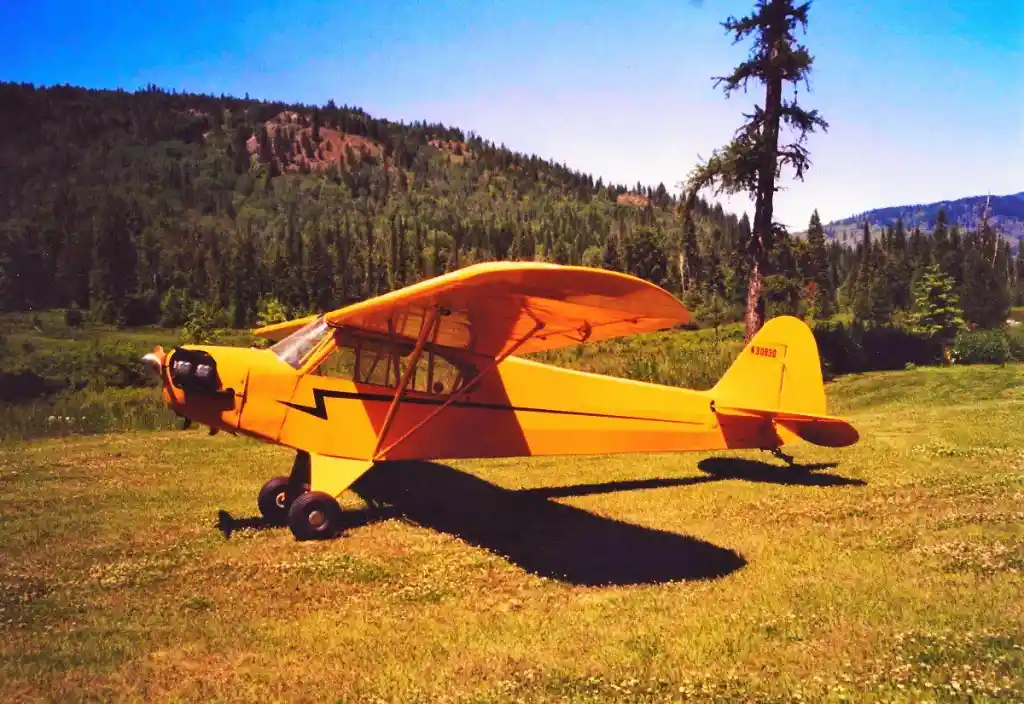
What makes the Cub eternally beloved is its minimalism. It teaches coordination, energy management, and basic flying better than almost any modern aircraft. With over 20,000 units built, it remains a staple in aviation museums, airshows, and grass strips around the world.
Cessna 140: Postwar Innovation at Its Finest
As the Cessna 140 took to the skies in 1946, it marked not only the rebirth of civilian aviation after World War II but also the beginning of Cessna’s dominance in the light aircraft market. Built to accommodate two people, the 140 featured metal wings with fabric inserts, conventional gear, and a side-by-side configuration that made it ideal for both training and travel.
Its technological edge was further validated when the aircraft was named Outstanding Plane of the Year by the U.S. Flight Instructors Association in 1948. The aircraft’s influence is evident in later models like the Cessna 170, and its economy version, the Cessna 120, served as a cost-conscious alternative for private owners.

With approximately 7,500 units built, the 140 helped solidify the strut-braced high-wing layout that would become Cessna’s signature. Its simple lines and dependable performance still make it one of the most sought-after entry-level vintage aircraft.
The Romance and Relevance of Vintage Aviation
What sets these classic aircraft apart isn’t just the engineering or aesthetics. It’s the stories they carry—the thousands of hours flown, the cross-country journeys completed, and the generations of aviators they’ve inspired. These machines speak to a time when flying was raw, analog, and deeply human.
Flying a vintage aircraft today is more than just a hobby—it’s a connection to an era defined by exploration and hands-on mastery. It involves an appreciation for craftsmanship, maintenance dedication, and a deep understanding of traditional flight principles. In return, these aircraft offer something most modern planes cannot: a visceral, elemental aviation experience.
As restoration shops, aircraft parts suppliers, and vintage flying clubs keep these aircraft in the air, their legacy endures. Manufacturers like Nicrocraft, who specialize in high-quality exhaust components for vintage aircraft, play a crucial role in ensuring these legends remain flightworthy for decades to come.
Final Thoughts
Each of these vintage airplanes—the Aeronca Chief, Aeronca Champ, Cessna 170, Piper J-3 Cub, and Cessna 140—represents a different chapter in the story of general aviation. While materials and technologies have evolved, the values they embody—simplicity, accessibility, and adventure—continue to resonate.
To fly a vintage aircraft is to honor the pioneers of flight and to engage in a tradition that shaped aviation as we know it. For pilots and collectors alike, these aircraft are not just museum pieces—they are living, breathing expressions of history in motion.