In a bold and controversial move, France is set to implement a new pricing model for some of its most visited cultural landmarks, dramatically increasing admission fees for non-EU tourists beginning January 1, 2026. This strategic decision will affect global icons like the Louvre Museum, Palace of Versailles, and the Arc de Triomphe, with ticket prices for foreign visitors nearly doubling from current rates. Under the new system, dubbed “passport-based pricing,” non-EU tourists will be charged €30—up from €17—for a single adult entry to these national sites.
The Economic Drivers Behind Passport-Based Pricing
The underlying force behind this radical pricing shift is France’s growing need to sustain its cultural infrastructure amid dwindling public funds. As state subsidies shrink and sponsorships wane, national museums and heritage sites have faced significant financial stress. Monumental sites like the Louvre, which house some of the world’s most priceless art collections, are becoming increasingly costly to operate.
Compounding the issue are escalating maintenance and restoration expenses, especially for buildings several centuries old. Preservation efforts are not only labor-intensive but also require state-of-the-art materials and specialized conservation teams. With government contributions unable to match this upward trajectory, the financial shortfall must be met elsewhere. The solution? Tap into the spending power of international visitors.
France’s Ministry of Culture has clarified that EU citizens—particularly students under the age of 26—will continue to enjoy free or heavily discounted access. This preferential treatment underscores France’s commitment to democratizing culture for its own citizens and European neighbors, while inviting deeper contributions from those outside the union.
Which Attractions Are Affected—and What Tourists Should Expect
The first wave of this pricing policy will hit the most prestigious attractions, many of which are global bucket-list destinations. Sites confirmed to adopt the €30 rate for non-EU visitors include:
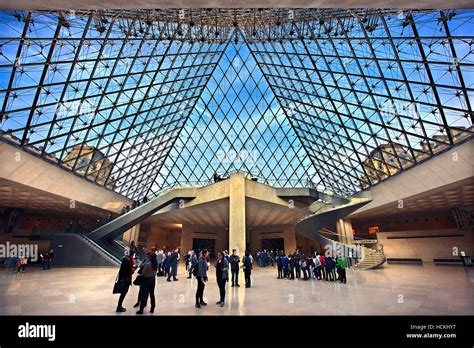
- The Louvre Museum: Home to the Mona Lisa and Venus de Milo, this Paris landmark draws over 10 million visitors annually.
- The Palace of Versailles: An opulent symbol of royal France, its vast halls and gardens attract tourists by the millions.
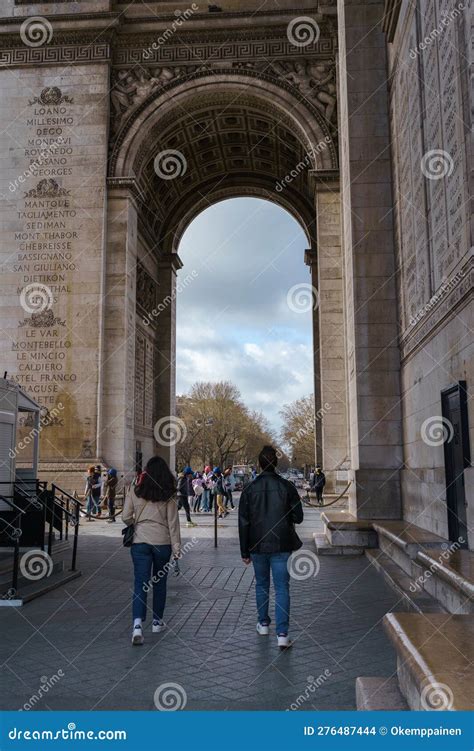
- Arc de Triomphe: Standing at the western end of the Champs-Élysées, it offers panoramic views and profound history.
- Château de Chambord: A Renaissance masterpiece nestled in the Loire Valley.
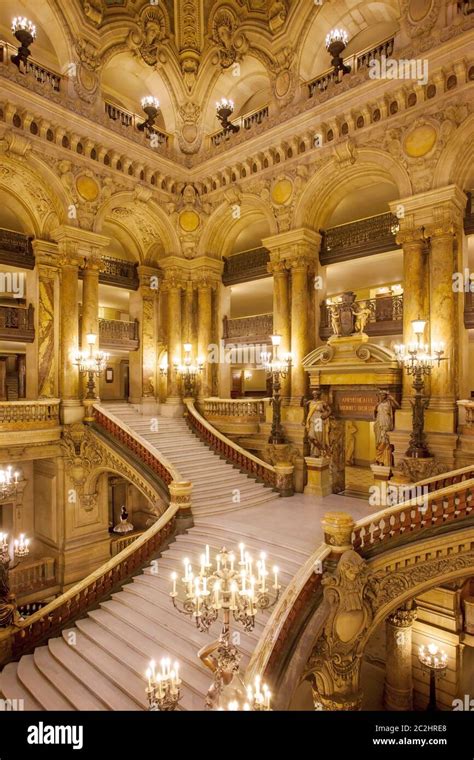
- Palais Garnier: The grand opera house, renowned for its architecture and performances.

By 2027, additional national monuments and museums are expected to follow suit. International travelers from Asia, the Americas, and Africa—who comprise a sizable portion of France’s tourism base—will face these revised admission fees. Though the structure spares EU citizens, it introduces a tiered experience that many believe will have deeper implications for France’s status as a universal cultural destination.
Rising Criticism: Is This Policy Discriminatory or Justified?
The backlash has been swift. Critics argue the policy veers into economic discrimination, especially toward travelers from developing nations. For many international tourists, a trip to France already involves significant financial outlay—flights, accommodation, dining, and transport. Adding steep cultural fees could discourage middle-income travelers, particularly from regions like Southeast Asia, Latin America, and parts of Africa.
On the other hand, advocates claim that passport-based pricing reflects a realistic and fair approach. EU residents benefit from state funding and contribute taxes that sustain these institutions. Expecting tourists, who make no such financial contribution, to pay more is seen as an equitable redistribution of cultural costs.
This dual-pricing model is not unprecedented. Many major cities—including New York and Rome—have implemented similar pricing tiers for non-local visitors. What makes France’s initiative unique is its breadth and coherence, applying across nearly all of its national cultural sites in one comprehensive policy change.
Potential Fallout: Could the Hike Diminish France’s Global Tourism Edge?
France has long reigned as the world’s number one tourist destination, drawing more than 90 million visitors annually. The appeal lies largely in its unparalleled cultural richness: from world-class art to royal palaces, every corner of France whispers history. But some fear this pricing policy might compromise its global magnetism, especially in competitive international markets.
One particular area of concern is Asia’s growing outbound tourism market. Countries like China, Japan, South Korea, and India have seen explosive growth in their international tourism sectors. Many of these travelers choose Europe—and especially France—as a top destination. If they feel priced out, they may redirect their cultural itineraries to more affordable nations.
Still, others argue that France’s cultural clout is strong enough to weather the backlash. The Louvre remains the most visited museum on Earth, and landmarks like the Eiffel Tower and Mont-Saint-Michel draw pilgrims regardless of cost. If anything, higher prices may even decongest popular sites, creating a more curated experience for those who can afford to enter.
Long-Term Gains: What France Stands to Benefit
The ticket price hike isn’t merely about plugging financial holes. It could also redefine and modernize the visitor experience at France’s top-tier cultural sites. Additional funds may be channeled into:
- Structural restorations of aging monuments and palaces
- Digital and interactive exhibit upgrades to attract younger audiences
- Enhanced security and accessibility measures
- Multilingual guided experiences catering to international tourists
These enhancements not only preserve historical integrity but also elevate the cultural narrative France shares with the world. In an era where tourists seek immersive experiences over mere sightseeing, France is investing in its storytelling infrastructure.
Ripple Effect Across Europe: A New Norm for Cultural Access?
France’s decision could set a precedent for other cultural powerhouses in Europe. Museums in Italy, Spain, and the United Kingdom may feel pressure to adopt similar structures. If a pan-European trend develops, we may witness the standardization of passport-based pricing across the continent’s museums and heritage landmarks.
While such a shift might boost institutional revenue, it could also ignite broader debates around cultural accessibility vs. economic sustainability. Should historic knowledge be monetized differently for foreign guests? Or is this merely the evolution of modern tourism economics?
Cultural Access and Global Responsibility: Walking the Tightrope
The policy unveils an inherent tension between universal cultural access and the national duty to safeguard heritage. France’s landmarks are undeniably part of shared global history, but they are also French institutions with local financial burdens. Balancing this dichotomy will require constant reevaluation.
Going forward, France must monitor tourist reactions closely. If visitor numbers from key non-EU markets drop sharply, the policy may require adjustment. Conversely, if tourists absorb the hike without flinching, it may empower museums worldwide to rethink how they price cultural access.
Conclusion: Strategic Necessity or Cultural Barrier?
As January 2026 approaches, travelers worldwide are being placed at a cultural crossroads. France’s most celebrated sites will remain open—but not as freely accessible as before. Whether the move to double admission prices for non-EU visitors is a prudent financial strategy or a deterrent to inclusive cultural exchange remains a matter of perspective.
What’s certain is that this pricing policy represents a transformative moment in global tourism economics. France is rewriting the rules of access, placing value not just on heritage, but also on the economic context of those who seek to experience it.