The evolution of commercial aviation has been shaped by a select few aircraft that did not merely transport passengers, but redefined the boundaries of air travel itself. These revolutionary jet aircraft set new standards for performance, efficiency, and accessibility, forever altering the commercial aviation landscape. Among the hundreds of jets developed over the past seven decades, five aircraft stand as milestones—each representing a seismic shift in how the world flies.
Boeing 707: Igniting the Jet Age with Transatlantic Speed
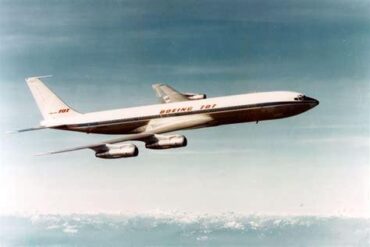
When the Boeing 707 entered service in 1958, it didn’t just introduce a new aircraft—it ushered in a new era. Commercial aviation was no longer constrained by the slower speeds of piston engines. The 707, sleek and powerful, delivered passengers across the Atlantic in nearly half the time of its predecessors, solidifying its place as the first truly successful commercial jetliner.
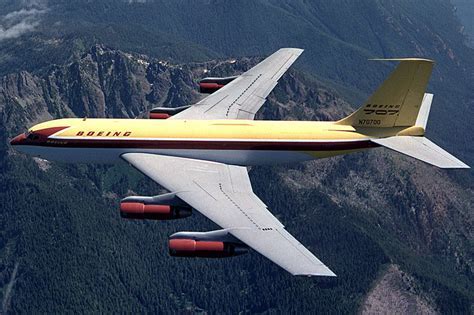
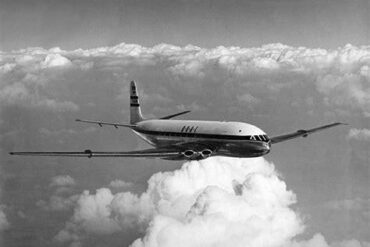
While the de Havilland Comet had beaten it to the skies, the Comet’s structural issues and limited production meant it faded into the background. Boeing, learning from others’ missteps, designed the 707 with a robust airframe and powerful turbojet engines that made it not only reliable but also highly marketable. The result: 820 aircraft produced, widespread global adoption, and a massive leap forward in making international air travel a mainstream reality.
Its four engines gave airlines the confidence to fly longer distances, especially over water, setting a precedent that would inform future widebody development. The 707’s success also helped cement Boeing’s dominance in the industry—a foothold it would maintain for decades.
Boeing 737: The Workhorse that Shaped Everyday Air Travel
Few aircraft have achieved the longevity or ubiquity of the Boeing 737. First entering service in 1967, this narrowbody jet was designed to serve short-to-medium-haul routes with remarkable efficiency. Its flexibility, ease of maintenance, and low operating costs made it ideal for airlines looking to expand rapidly and operate profitably.
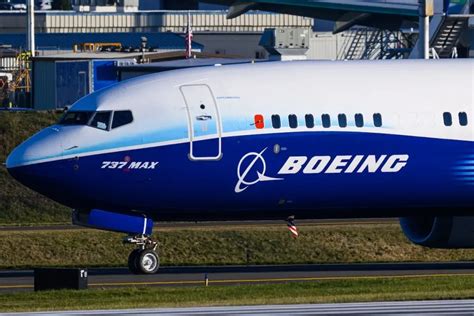
Through the decades, the 737 morphed into multiple generations—Classic, Next Generation, and the latest MAX series—each pushing the platform further without abandoning its original design philosophy. By mid-2025, the 737 held the title of the most produced commercial airliner in history, only recently challenged by the Airbus A320 family.
The 737’s dominance is inextricably linked to the rise of low-cost carriers, which leveraged the aircraft’s low costs to democratize air travel globally. Routes once reserved for business travelers became accessible to the masses. The aircraft’s enduring success, however, also sparked debates—particularly regarding whether Boeing should have opted for a clean-sheet replacement instead of iterating on a 1960s design.
Regardless, the 737 remains the spine of global air travel, connecting secondary cities, regional airports, and busy hubs alike with unrelenting reliability.
Boeing 747: The Queen of the Skies and Global Aviation Icon
In 1970, the aviation world was transformed once more by the Boeing 747, a widebody giant that redefined what was possible in long-haul travel. With its iconic humpbacked silhouette and double-deck configuration, the 747 not only captured the public’s imagination but also revolutionized how airlines structured international routes.
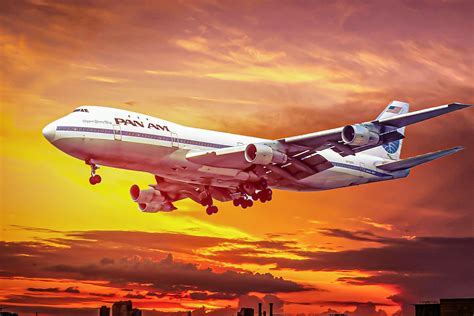
Originally built to support the hub-and-spoke model, the 747 drastically reduced per-seat costs thanks to its massive capacity—carrying over 400 passengers in early versions and even more in later ones. This was the aircraft that truly globalized air travel, enabling affordable fares and frequent service between continents.
The 747’s impact wasn’t confined to passengers. It was a freight powerhouse, pioneering the conversion of passenger jets into cargo carriers and later birthing specialized variants like the Dreamlifter and the Shuttle Carrier Aircraft. It also served as Air Force One, further embedding itself into cultural and political consciousness.
Though its passenger service is winding down, the 747’s legacy is eternal—a bridge between eras, and the aircraft that made mass intercontinental travel viable.
Airbus A300: Europe’s Entry into Jet Aviation Dominance
The Airbus A300, first flying commercially in 1974, marked a pivotal shift—not just in aircraft design but in global aerospace competition. It was the aircraft that put Airbus on the map, launching the European conglomerate’s challenge to Boeing’s supremacy.
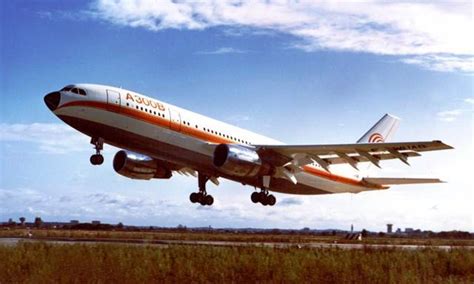
This was the world’s first twin-engine widebody jetliner, a design that radically changed long-haul strategy. Until then, quadjets dominated long-range operations due to safety regulations. But the A300’s success, paired with evolving ETOPS (Extended-range Twin-engine Operational Performance Standards) certifications, enabled airlines to fly more fuel-efficiently over oceans with just two engines.
The A300 also introduced pioneering use of composite materials, a precursor to the carbon-fiber fuselages that would come later with the Boeing 787 and Airbus A350. Its DNA lived on through the A310, A330, and even the A340, shaping Airbus’s widebody strategy for decades.
With 561 units built, the A300 wasn’t a runaway commercial success by today’s standards, but it was strategically vital. It proved Airbus could design, build, and sell competitive jets, and laid the foundation for the duopoly that now defines the aviation industry.
Boeing 787 Dreamliner: Redefining Efficiency and Range
When Boeing introduced the 787 Dreamliner in 2011, it wasn’t merely building a new plane—it was reinventing how aircraft were made. The Dreamliner was a bold leap into the future, using over 50% composite materials to create a lighter, stronger, and more efficient airframe.
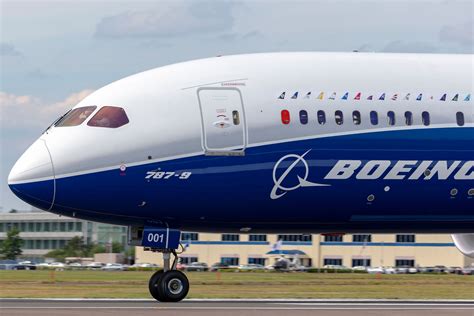
With fuel savings of up to 25% compared to earlier widebodies, the 787 enabled a new wave of point-to-point travel. Airlines could now connect secondary cities across oceans without relying on traditional hubs. This disrupted the long-haul market, allowing the rise of thinner routes and more direct flights between previously unconnected destinations.
The Dreamliner was Boeing’s answer to the A380’s hub-centric strategy—a bet that passengers valued flexibility and frequency over capacity. History would prove that bet correct. While the A380 faded into niche status, the 787 flourished, with over 2,200 orders to date and continued production across three variants (787-8, 787-9, and 787-10).
More than just efficient, the Dreamliner also introduced passenger-focused innovations: larger windows, lower cabin altitude, and better humidity control. It was designed not just to move people, but to do so comfortably and sustainably, setting a new benchmark for future designs.
The Legacy and Future of Revolutionary Jetliners
These five aircraft—the 707, 737, 747, A300, and 787—each represent a watershed moment in aviation. From the dawn of the Jet Age to the rise of point-to-point ultralong-haul travel, they captured the spirit of innovation and foresight that continues to propel commercial flight.
Each jet did more than just fulfill a technical brief. They:
- Changed how airlines operate, from route planning to fleet optimization.
- Altered passenger expectations, from accessibility to comfort.
- Redefined manufacturing paradigms, with new materials, systems, and international collaboration.
In a rapidly changing world, the aviation industry stands on the shoulders of these engineering giants. As we look to the future—with blended wing bodies, open fan engines, and supersonic startups—the DNA of these five trailblazers will be embedded in every aircraft that takes flight.
Their stories are not just of speed or size, but of the vision that powered them, and the industries, lives, and cultures they helped connect across the skies.