The 2015 naval exercise that saw a French Rubis-class submarine “sink” the USS Theodore Roosevelt during a NATO drill off the coast of Florida left strategic shockwaves through the corridors of the Pentagon. While the engagement was simulated, the implications were real, humbling, and transformative for one of the most powerful naval forces in the world.
When Giants Are Humbled: The USS Theodore Roosevelt Meets the Saphir
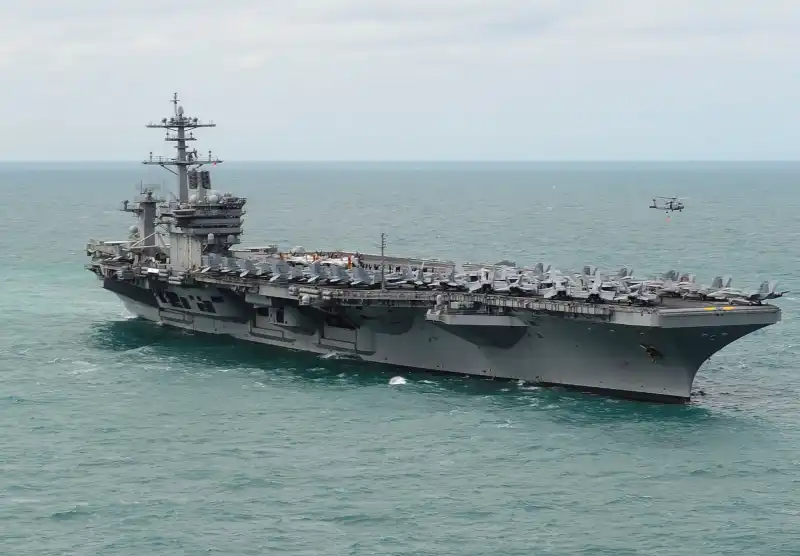
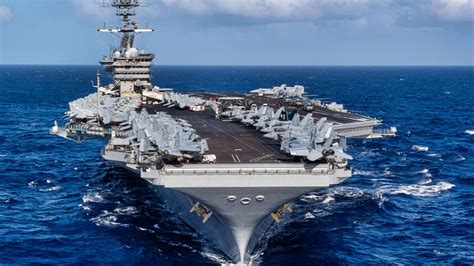
In a high-stakes joint training exercise, Carrier Strike Group 12 (CSG 12) was assembled in full force. At its core was the USS Theodore Roosevelt (CVN-71) — a $4.5 billion Nimitz-class nuclear-powered aircraft carrier, symbolizing American naval dominance. Supporting her were a constellation of destroyers, cruisers, and anti-submarine warfare (ASW) aircraft. The aim: simulate and rehearse real-world combat scenarios against adversarial threats.
Yet on the final day, a small French submarine, the Saphir, participating in the exercise, achieved what few thought conceivable. Having initially assisted the U.S. forces in tracking adversaries, the Saphir switched sides for phase two — becoming part of the opposing force tasked with penetrating the carrier group’s defenses.
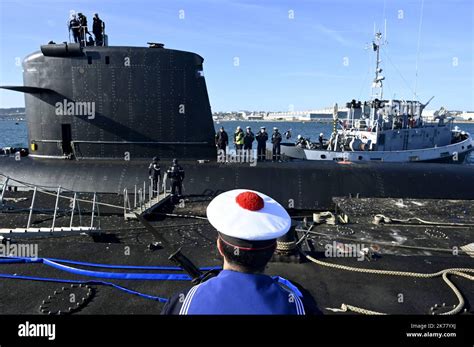
The Saphir’s objective was straightforward in design but ambitious in scope: evade CSG 12’s layers of defense and simulate a lethal strike against its crown jewel, the Theodore Roosevelt. In a stunning display of stealth and tactics, the sub succeeded.
Breaking the Shield: How the Saphir Penetrated Layered Defenses
Modern carrier strike groups are defended by multi-tiered ASW defenses, including sonar-equipped destroyers, submarines, and patrol aircraft. The Saphir not only bypassed these systems but did so undetected. What followed was a simulated launch order from the French captain.
While the details remain classified, the Saphir reportedly got within optimal firing range, registering kills not just on the Roosevelt, but on several escorting vessels. The Saphir likely used simulation software replicating the behavior of F17 Mod 2 torpedoes and SM39 Exocet missiles, successfully demonstrating a devastating hypothetical scenario.
A Cold Lesson in Realism: What the U.S. Navy Learned
Though no weapons were fired, the symbolic “sinking” of a $4.5 billion carrier by an aging sub sparked strategic introspection within the U.S. Navy. The key takeaway was glaring: even the mightiest vessels are vulnerable if situational awareness and counter-submarine tactics falter.
The fact that the French Ministry of Defense, not the U.S., released the details also highlighted the Pentagon’s reluctance to publicly acknowledge operational shortcomings. Yet internally, the incident likely triggered an overhaul in naval doctrines.
Key tactical lessons included:
- Reevaluating ASW protocols to reduce the chances of stealth breaches.
- Increasing the deployment of unmanned underwater vehicles (UUVs) for persistent sub-surface monitoring.
- Enhanced cross-training with allies, especially nations like France with advanced sub capabilities.
- Software and simulation upgrades to ensure exercises better represent potential threat vectors.
The Rubis-Class Submarine: Underdog of the Depths
The Saphir belongs to the Rubis-class, a generation of compact nuclear-powered attack submarines commissioned by France during the Cold War. By 2015, the class was considered technologically inferior to newer platforms like the U.S. Virginia-class or British Astute-class subs. Still, the Rubis had one potent advantage: silence and agility.
Measuring just 73 meters and displacing 2,600 tons submerged, the Saphir was smaller and quieter than many of its NATO counterparts. Its operational characteristics were ideal for slipping past noisy ASW patrols designed to detect larger and louder subs.
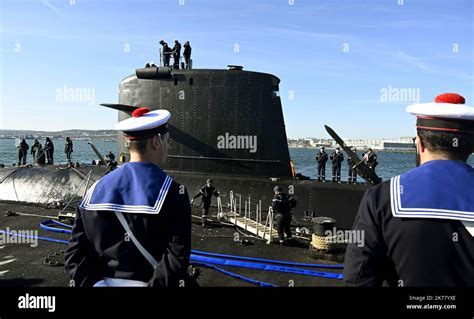
While its offensive capabilities were no match for modern systems in a real war, in exercises, agility often trumps firepower — and that’s precisely what played out in the Atlantic.
The Exercise’s Broader Strategic Implications
The importance of this naval episode goes far beyond embarrassment. It touched on core assumptions about deterrence and naval supremacy. Aircraft carriers are linchpins of U.S. power projection — floating cities capable of launching over 70 aircraft. Their aura of invincibility is crucial to strategic deterrence.
The realization that a small, nearly 40-year-old submarine could hypothetically neutralize one of these behemoths served as a potent warning. Adversaries like China and Russia, both of which operate advanced diesel-electric and nuclear submarines, were undoubtedly paying attention.
The message was loud and clear: in underwater warfare, stealth is king, and assumptions are dangerous.
Historical Echoes: Submarines Versus Carriers
This incident wasn’t without precedent. During World War II, submarines like the Japanese I-58 sank the USS Indianapolis, and German U-boats famously wreaked havoc on Allied fleets. But in the post-Cold War era, with advances in detection and coordination, many believed such scenarios were relics of the past.
Still, history has a tendency to repeat itself when complacency outpaces innovation. The simulated attack by the Saphir echoed those wartime lessons and reignited the strategic conversation around the viability of carrier-centric force projection.
Changes That Followed: Course Corrections and Tactical Reboots
Though the U.S. Navy has not publicly released a declassified report about the Saphir’s “kill,” analysts speculate that a range of training reforms and technological investments were made in the years that followed:
- Distributed Maritime Operations (DMO): A new doctrine emphasizing dispersed yet networked units to complicate enemy targeting.
- Increased ASW funding, particularly in unmanned technologies and AI-driven sonar analysis.
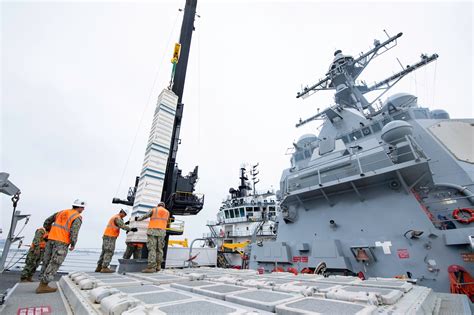
- A reexamination of carrier escort protocols, especially the use of newer platforms like the Arleigh Burke-class destroyers with enhanced sonar suites.
- Expansion of joint NATO ASW drills, incorporating lessons from the Saphir incident to tighten multilateral defenses.
A New Age of Submarine Threats
With the world’s oceans now patrolled by increasingly advanced subs — such as Russia’s Yasen-class or China’s Type 093 SSNs — the 2015 exercise was more prophecy than anomaly. Carrier strike groups now face a world where hypersonic missiles and ultra-quiet submarines could pierce their outer defenses.
In this context, the Saphir’s simulated attack acted as a timely reminder that asymmetric threats remain the most potent. It’s no longer just about firepower, but about situational awareness, sensor fusion, and seamless inter-ship communication.
Final Thoughts: A Necessary Humbling for a Global Superpower
The simulation that saw a tiny French sub “sink” one of the most powerful warships on the planet wasn’t just a fluke. It was a necessary correction in mindset. For the U.S. Navy, the lesson was clear: dominance is never guaranteed. Every asset, no matter how advanced or expensive, is only as strong as the weakest link in its defense chain.
Naval supremacy must constantly evolve, and this humbling episode off the coast of Florida helped steer the course. Thanks to the lessons taught by the Saphir, the U.S. Navy likely averted future catastrophes by adjusting to an ever-shifting undersea threat landscape.
In war games, as in real conflict, it’s often the unexpected that reshapes the future.