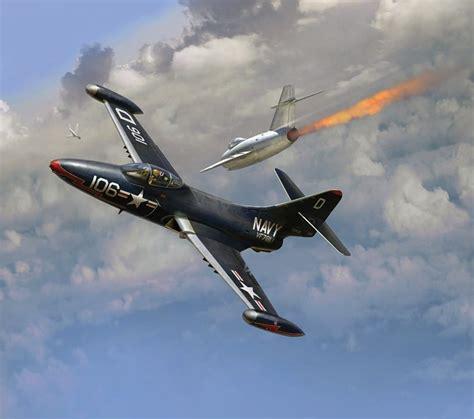
In the annals of military aviation, few moments are as consequential as the first jet-to-jet aerial victory in combat history. On November 9, 1950, in the early, frigid months of the Korean War, U.S. Navy Lieutenant Commander William T. Amen of VF-111 Sundowners carved his name into the sky—and into history—by downing a Soviet-piloted MiG-15 while flying the now-iconic F9F Panther. This pivotal dogfight not only set a new precedent in aerial warfare but also affirmed the technological and tactical supremacy of naval aviation in a jet-age battlefield.
Prelude to the Jet Age: Cold War Tensions Ignite Over Korea
The roots of this encounter trace back to the geopolitical aftermath of World War II. Following Japan’s defeat, the Korean Peninsula was divided along the 38th parallel: the Soviet Union established a communist regime in the north, while the United States backed a democratic government in the south. These ideological and territorial tensions exploded on June 25, 1950, when North Korean troops crossed into South Korea, initiating a brutal war that would rapidly evolve into a proxy conflict between superpowers.
With the blessing of President Harry S. Truman, the United States committed air, sea, and ground forces just two days later. Soviet involvement, though clandestine, was evident in the use of Soviet-built T-34 tanks, artillery, and jet aircraft. North Korea, with China’s support and Soviet backing, would present a formidable adversary—especially in the air.
Enter the MiG-15: Soviet Dominance in the Skies
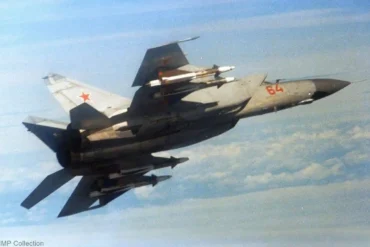
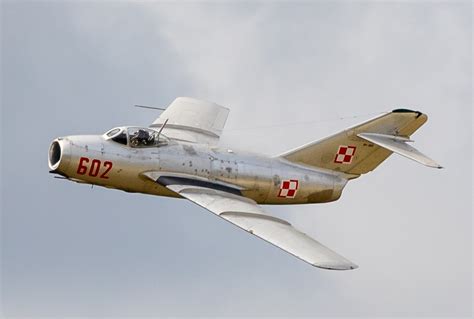
The MiG-15, introduced by the Soviet Union in 1949, was a game-changer in jet aviation. With a service ceiling exceeding 50,000 feet and a blistering top speed of 669 mph, it was faster, climbed quicker, and could operate at higher altitudes than most Western counterparts. Armed with two 23 mm and one 37 mm cannon, its firepower overwhelmed many American pilots during the early stages of the war.
Designed to counter the B-29 Superfortress, the MiG-15’s appearance over Korea tilted the balance of aerial dominance. These aircraft, flown by Soviet, Chinese, and North Korean pilots—often under the guise of local forces—engaged US aircraft in a high-stakes ballet of death above a zone that came to be known as “MiG Alley” near the Yalu River.
The Panther’s Roar: U.S. Navy Enters the Jet Arena
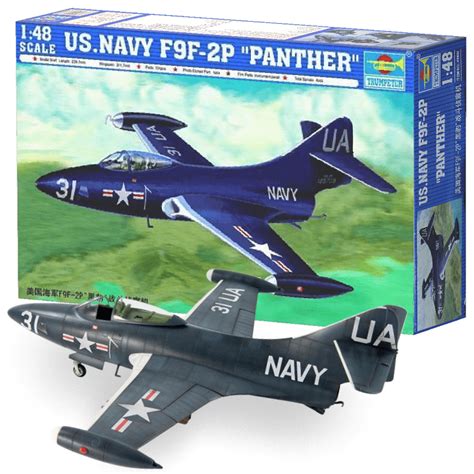
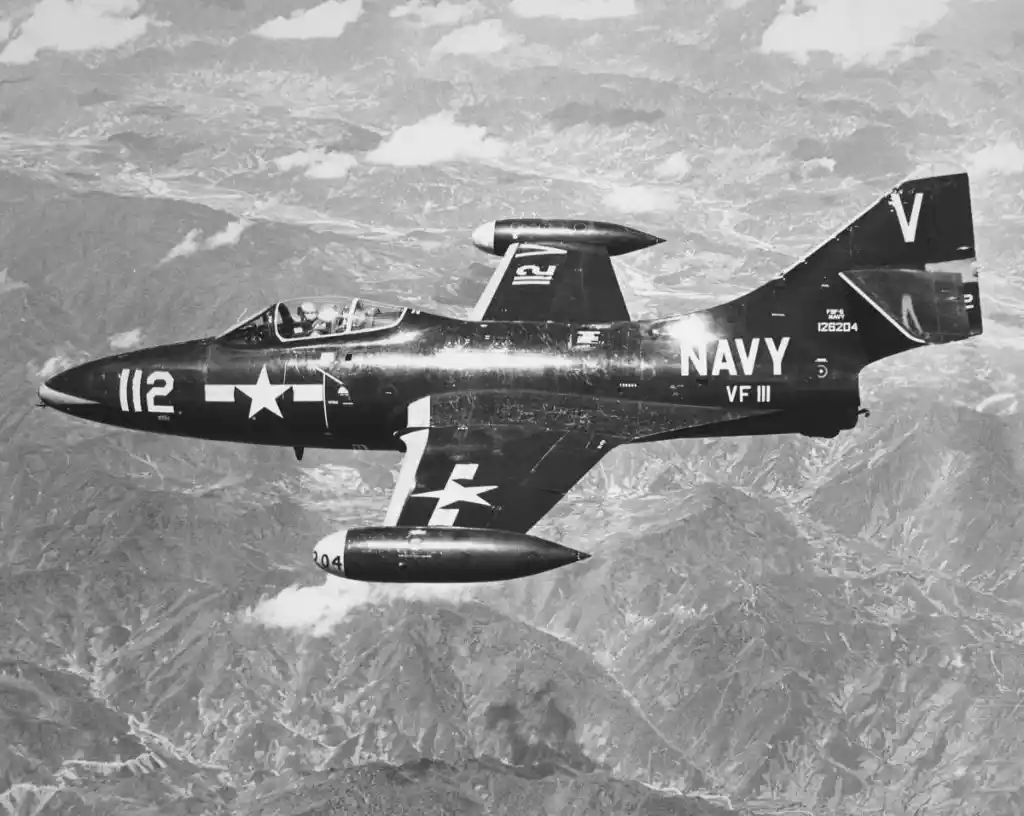
The Grumman F9F Panther represented the United States Navy’s leap into the jet age. Developed in the late 1940s, it was the Navy’s first successful carrier-based jet fighter, equipped with four 20 mm M3 cannons and capable of carrying six underwing rockets. Although its straight-wing design made it slower and less agile than the swept-wing MiG-15, the Panther earned a reputation for ruggedness and reliability under fire.
With a top speed of 575 mph, it was outclassed on paper by the MiG-15, but the Panther’s durable construction, stable dive characteristics, and high survivability gave it a unique edge in the vertical battlespace.
Operation Sinuiju: The World’s First Jet-On-Jet Kill
On November 9, 1950, during a bold strike known as Operation Sinuiju, aircraft from the USS Philippine Sea (CV-47) launched a coordinated attack against key infrastructure in North Korea. The carrier group deployed F4U Corsairs, AD Skyraiders, and F9F Panthers to eliminate bridges critical to enemy supply lines near the Yalu River.
MiG-15s from the 139th GvIAP, under Captain Mikhail Grachev, scrambled to intercept. The encounter swiftly devolved into a white-knuckled dogfight amidst clouds and turbulent winds.
Commander William T. Amen, leading a Combat Air Patrol in his F9F Panther, noticed an unidentified aircraft maneuvering aggressively. As he closed within 4,000 feet, Amen unleashed a burst of 20 mm cannon fire, striking the MiG’s fuselage. The engagement pushed both jets toward their terminal velocity as they fought gravity and G-forces.
Amen’s Panther began to buffet dangerously, nearing stall conditions. Despite the risks, he executed a final attack run, firing another volley of rounds as the MiG attempted evasive maneuvers. He then recovered from a low-altitude dive at 3,000 feet, barely regaining control. Another pilot, Lieutenant Holloman, witnessed the MiG-15 spiraling into the side of a mountain, erupting in flames.
Controversy in the Skies: Disputed Firsts and Soviet Secrecy
Though U.S. Air Force 1st Lt. Russell J. Brown had claimed a MiG kill a day earlier in his F-80C Shooting Star, later investigations—most notably in the authoritative book VF-11/111 Sundowners by Barrett Tilman and Henk van der Lugt—revealed that the enemy aircraft returned to base intact. This correction positioned Amen’s November 9 kill as the first indisputable jet-to-jet aerial victory in global combat history.
The Soviet Union, eager to avoid open confrontation with the United States, denied direct involvement. Yet mounting evidence confirmed that Soviet pilots, under false flags, routinely flew combat missions over Korea. Captain Grachev, whose MiG-15 Amen downed, was later confirmed to be a Soviet aviator, highlighting the veiled but undeniable Soviet role in the war.
Panther vs. MiG: An Unequal Yet Victorious Duel
Though the MiG-15 boasted superior performance in altitude, speed, and agility, the Panther had its advantages:
- Sturdier airframe, allowing it to absorb more damage
- Greater stability in dives and low-speed maneuvers
- Reliable naval design, optimized for rough carrier conditions
The November 9 victory demonstrated that with tactical awareness, precise gunnery, and superior diving performance, even a slower aircraft could defeat a more advanced enemy.
Aftermath and Legacy: Panthers in the Korean War
In the months following Amen’s kill, the F9F Panther continued to prove its worth. On November 18, 1950, two more MiG-15s fell to Panthers launched from the USS Philippine Sea. These engagements validated the Panther’s effectiveness, particularly in team-based operations with cover from Corsairs and Skyraiders.
By the end of the war in 1953:
- Panthers flew over 78,000 sorties
- Dropped 26,000 tons of ordnance
- Destroyed 215 bridges, 78 trains, and over 7,000 vehicles
Losses were inevitable, but the aircraft’s reputation for survivability, combined with effective pilot training, ensured its role as a cornerstone of U.S. naval aviation during the Korean War.
Conclusion: A Skybound Legacy of Courage and Innovation
The world’s first jet-on-jet victory, achieved by William T. Amen and his Grumman F9F Panther, was more than a tactical win—it was a symbolic moment in the transformation of air combat. It demonstrated the potential of carrier-based jet aviation, the bravery of naval aviators under fire, and the strategic value of maintaining technological parity in an age of Cold War escalation.
As we reflect 75 years later, this legendary dogfight remains a benchmark of aerial courage, marking the dawn of an era where jets ruled the skies—and where every decision made in the cockpit could shift the balance of global power.