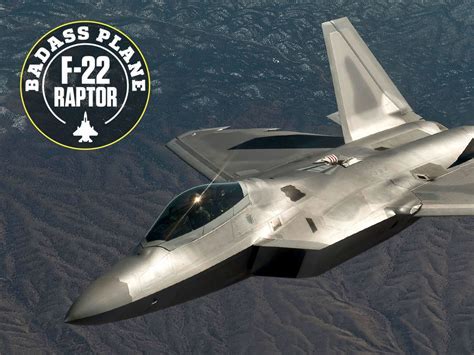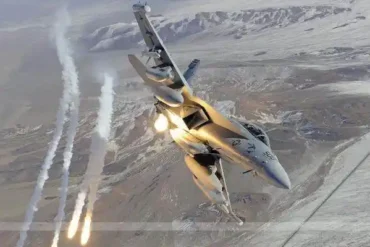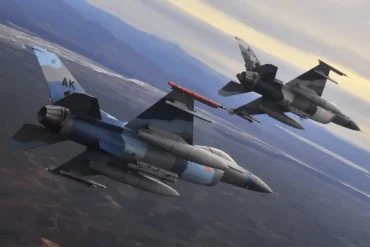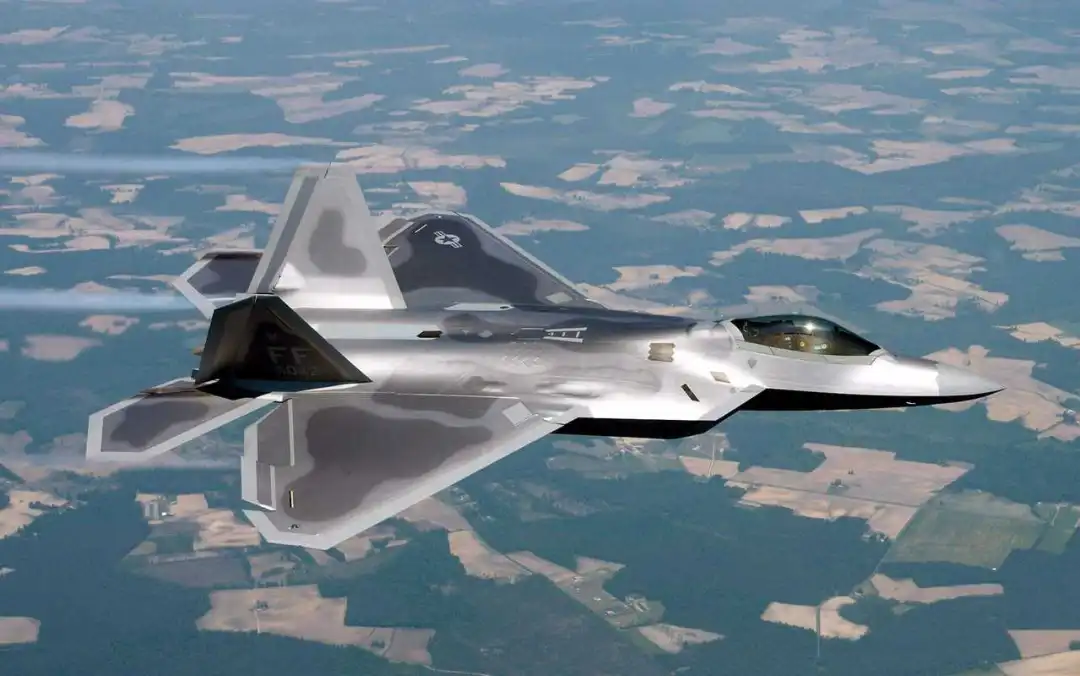
The F-22 Raptor, the world’s first operational fifth-generation fighter, dominates air-to-air combat with unmatched stealth, agility, and avionics. Designed primarily for air superiority, the F-22 is a lethal platform in a dogfight, excelling in maneuverability, weapons systems, and situational awareness. This article explores its key advantages in close-quarters combat, analyzing the technologies and tactics that make it a formidable adversary.
Thrust Vectoring: The Core of F-22’s Agility
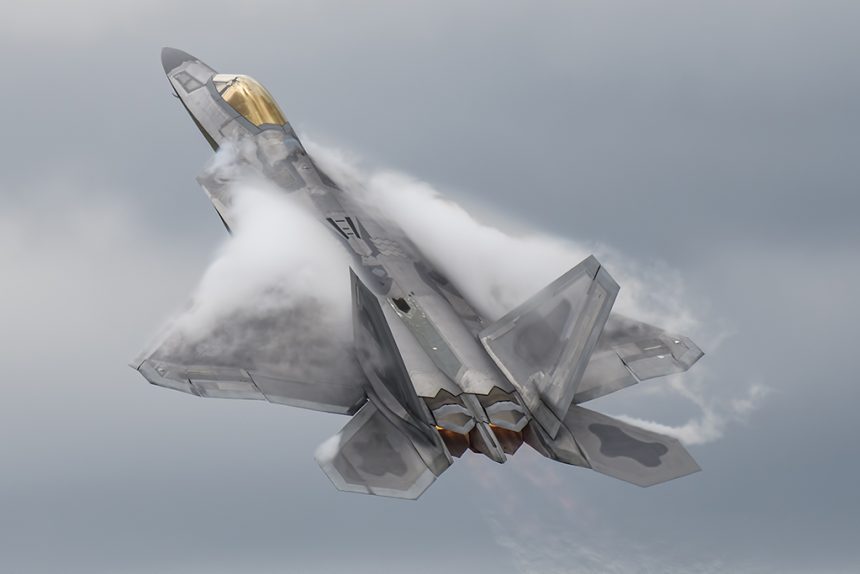
A crucial element of the F-22’s dogfight supremacy is its F119-PW-100 turbofan engines with two-dimensional thrust vectoring nozzles. These engines allow the aircraft to perform extreme maneuvers, including:
- Cobra Maneuver: The F-22 can rapidly pitch its nose upward, nearly stopping in mid-air while remaining controlled, forcing an overshoot from an enemy fighter.
- Minimal Turn Radius: The thrust vectoring, combined with advanced aerodynamics, enables exceptionally tight turns, crucial in outmaneuvering adversaries in close combat.
- Supercruise: The F-22 maintains speeds up to Mach 1.82 without afterburners, reducing heat signature and increasing fuel efficiency for extended engagements.
These features ensure that in a dogfight, an F-22 pilot can dictate engagement terms, position for the kill, and evade pursuers with superior control.
Aerodynamic Superiority & Stealth
Beyond thrust vectoring, the F-22’s airframe design significantly enhances its combat effectiveness:
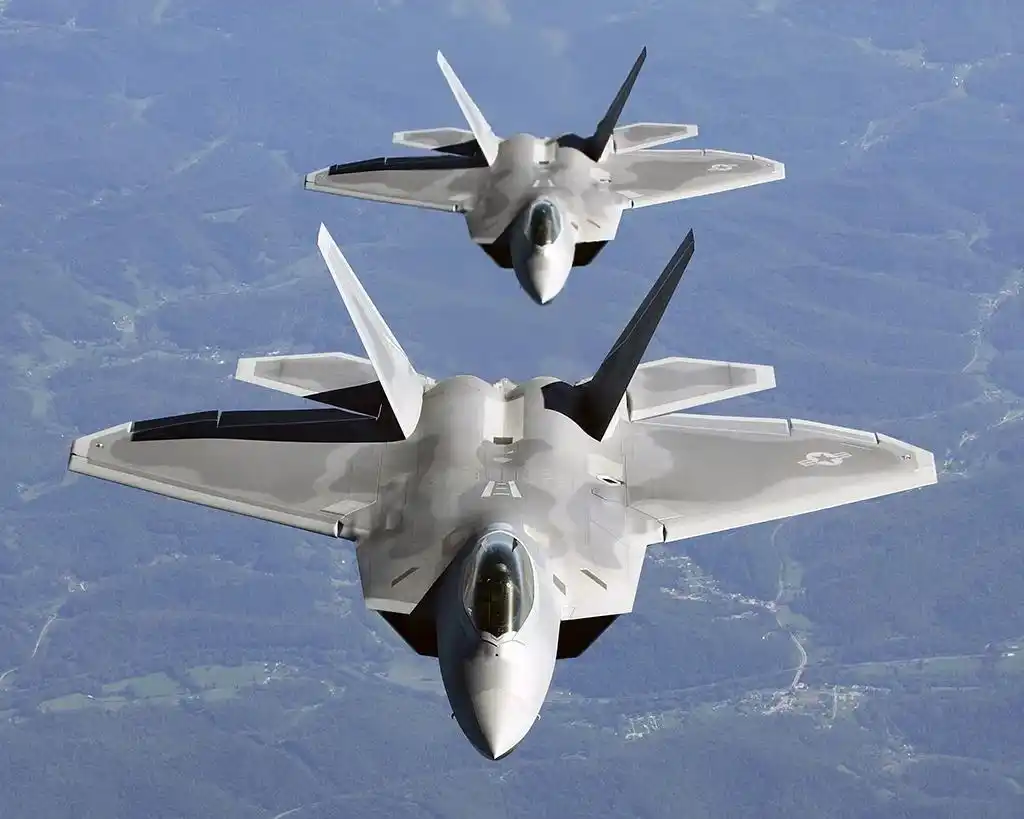
- Diamond-Shaped Wings: These provide higher lift and lower drag, increasing instantaneous turn rates and sustained energy in combat.
- Stealth Design: With a radar cross-section of 0.01 m², the F-22 is nearly invisible to enemy radars, often detecting and engaging adversaries before being seen.
- S-Shaped Air Intakes & RAM Coating: These reduce radar signature, making it difficult for enemy aircraft to lock onto the Raptor even in close-range combat.
This blend of aerodynamics and stealth ensures that even in visual-range combat, the F-22 retains an advantage by reducing enemy tracking and missile lock capabilities.
Close-Combat Weapons & Tactical Configurations
While designed for beyond-visual-range dominance, the F-22 is also equipped for lethal close-range engagements:
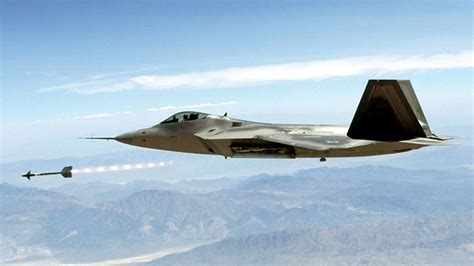
- M61A2 Vulcan Cannon: A 20mm rotary cannon with 480 rounds, capable of firing up to 6,000 rounds per minute, ensuring instantaneous firepower in extreme close-range situations.
- AIM-9X Sidewinder Missiles: Two heat-seeking short-range missiles, stored in internal side weapon bays, capable of high-off-boresight launches using the Helmet-Mounted Cueing System (HMCS).
- High-Off-Boresight Engagements: The AIM-9X and HMCS combo allows pilots to lock and fire at targets even when they are not directly in front of the aircraft, providing unparalleled flexibility in dynamic dogfights.
This arsenal ensures that in a turning fight, the F-22 can swiftly neutralize threats using gunfire or infrared-guided missiles with precision.
Battlefield Awareness: The Key to Victory
In modern dogfighting, situational awareness is often more important than raw performance. The F-22 excels in this area due to its advanced avionics:
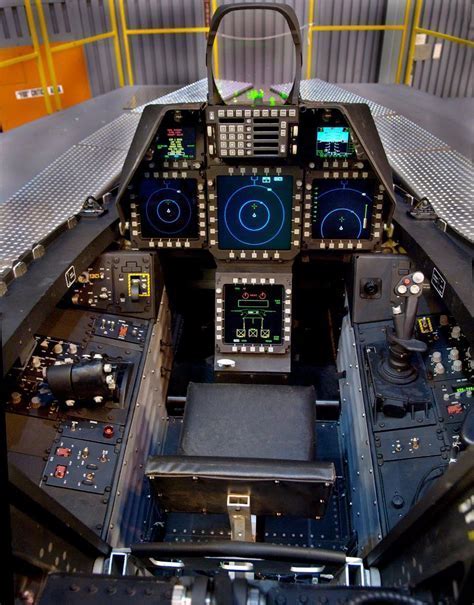
- AN/APG-77 AESA Radar: Capable of detecting, tracking, and engaging multiple targets over 200 kilometers away, allowing pilots to prepare for close engagements before they unfold.
- Sensor Fusion: Combines radar, infrared tracking, and electronic warfare data to create a 360-degree real-time combat picture, crucial for assessing threats in a high-speed dogfight.
- Intra-Flight Data Link (IFDL): Enables multiple F-22s to share targeting information, increasing overall combat effectiveness in squadron operations.
These features eliminate guesswork, allowing F-22 pilots to anticipate enemy maneuvers, react faster, and dominate the fight.
Challenges & Considerations in Close Combat
Despite its superiority, the F-22 has limitations in prolonged dogfights:
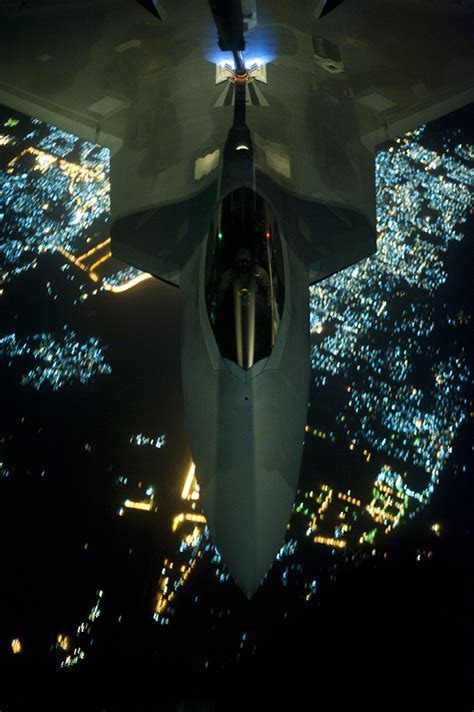
- Fuel Constraints: Supercruise consumes fuel quickly, limiting its operational range to 851 km without aerial refueling.
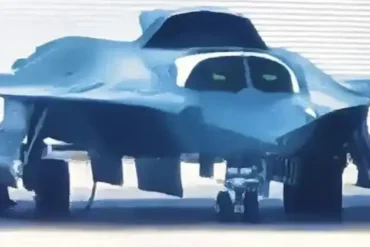
- Fifth-Generation Countermeasures: Against adversaries like the Chinese J-20 or Russian Su-57, the F-22 must adapt to evolving threats with upgraded avionics and weapons.
- Training vs. Real Combat: While simulations show F-22 dominance, real-world combat introduces unpredictable variables that could challenge even the best pilots.
Nonetheless, ongoing upgrades, including new data links, enhanced sensors, and JATM missiles, ensure the F-22 remains the apex predator in aerial warfare.
Conclusion
The F-22 Raptor is a masterpiece of aerial combat engineering, excelling in maneuverability, stealth, avionics, and weapons systems. In a dogfight, it outclasses most adversaries with extreme agility and superior situational awareness. However, modern air combat increasingly relies on networked warfare, requiring the F-22 to operate alongside AWACS, electronic warfare aircraft, and drone support to maintain air dominance. Future upgrades will ensure that it remains a lethal force well into the 21st century.
FAQ
How does the F-22 compare to the F-35 in a dogfight?
The F-22 is superior to the F-35 in close-range dogfighting due to its thrust vectoring, higher speed, and greater agility. The F-35 is optimized for multi-role operations, with a focus on strike missions and sensor fusion, rather than pure air superiority.
Can the F-22 defeat newer fifth-generation fighters like the J-20?
The F-22 holds a maneuverability edge over the J-20, but the J-20’s stealth, long-range missiles, and networked warfare capabilities pose a challenge. In close combat, the F-22’s superior agility and sensor fusion give it a strong advantage.
Why is the F-22 not widely exported?
The US government prohibits F-22 exports due to its advanced stealth technology and classified avionics. This ensures that its capabilities remain exclusive to the US Air Force, maintaining its technological edge over potential adversaries.