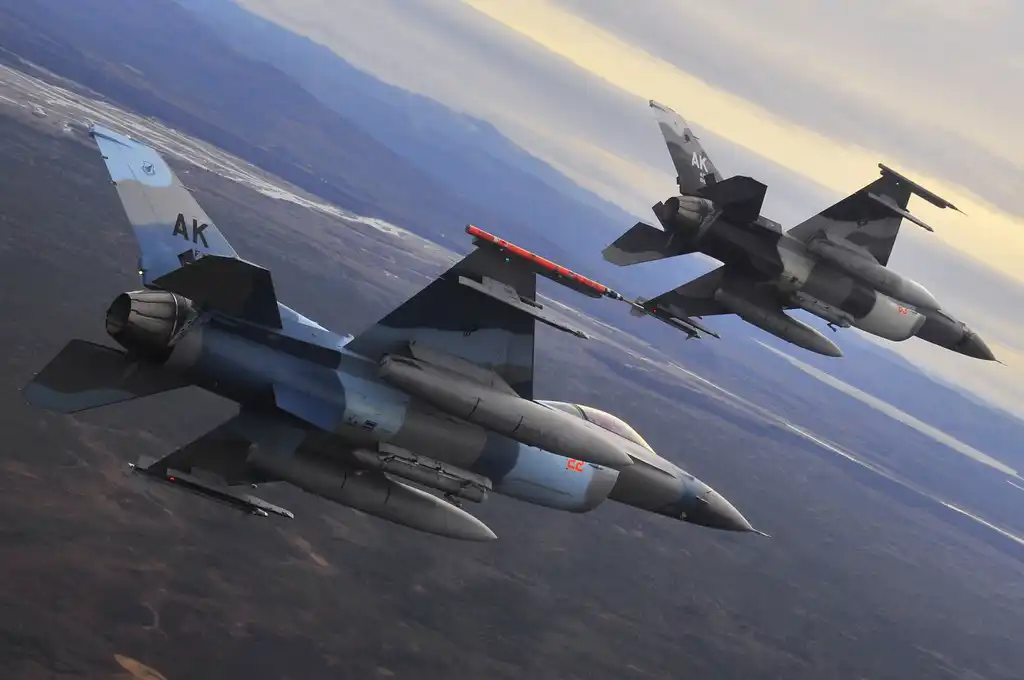
The F-16 Fighting Falcon has long been regarded as one of the most agile and battle-proven fighter aircraft in close-range aerial combat, commonly referred to as a dogfight. With its exceptional maneuverability, high thrust-to-weight ratio, and advanced fly-by-wire control system, the F-16 has set a benchmark for air superiority since its introduction. However, the emergence of artificial intelligence (AI) in aerial combat, evolving warfare tactics, and the rise of stealth fighters have reshaped the role of the F-16 in modern dogfights. This article delves into the F-16’s dogfight performance, technological advancements, limitations, and future prospects in an era where AI-assisted combat is becoming increasingly prevalent.
F-16’s Dominance in Close-Range Air Combat
Aerodynamic and Design Superiority
The F-16 Fighting Falcon was designed with air combat maneuverability as a top priority. Unlike previous generations of fighters, it incorporates a static instability design that enhances its agility. Key design elements include:
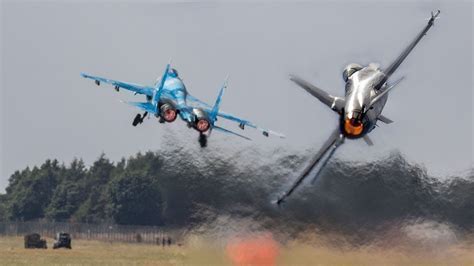
- Fly-by-wire (FBW) system: The computer-controlled flight system allows for rapid and precise control inputs, enabling pilots to execute extreme high-G maneuvers.
- High thrust-to-weight ratio: Equipped with the F110-GE-132 engine, the F-16 can sustain 9G turns, a critical advantage in dogfights where maintaining energy and outmaneuvering opponents is essential.
- Bubble canopy design: Provides an unobstructed 360-degree view, crucial for maintaining situational awareness in high-speed, close-range engagements.
- Leading-edge flaps and blended wing-body design: Enhances lift and control at both high and low speeds, giving the F-16 superior handling in low-speed dogfights.
Combat Effectiveness and Historical Performance
The F-16’s dogfighting capabilities have been tested in numerous conflicts, with notable successes in real-world combat:
- 1982 Bekaa Valley Air Battle: F-16s, in coordination with F-15s, destroyed 82 enemy aircraft without suffering any losses, demonstrating their superior agility and combat effectiveness.
- Gulf War 1991: The F-16 conducted 13,000 combat sorties, proving its versatility in both air-to-air and air-to-ground missions.
- Recent Exercises: Despite advancements in adversary aircraft, the F-16 continues to perform well in Red Flag exercises, reinforcing its dogfight dominance.
Challenges and Limitations in Modern Air Combat
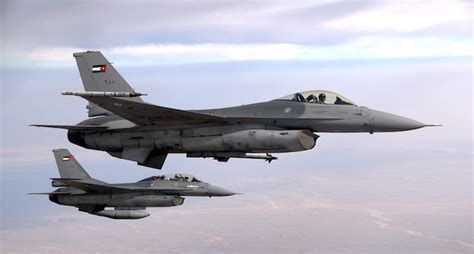
While the F-16 remains a formidable dogfighter, the evolution of air combat tactics has introduced significant challenges:
The Shift to Beyond Visual Range (BVR) Combat
The development of advanced radar-guided missiles like the AIM-120 AMRAAM has reduced the frequency of traditional dogfights. Key factors affecting the F-16’s close-range engagement include:
- Longer engagement distances: Modern BVR missiles can engage targets beyond 50 miles, minimizing the necessity for close-range combat.
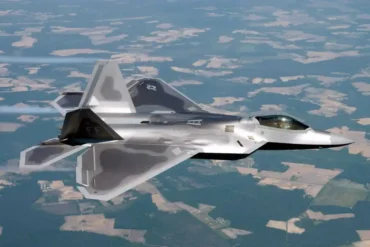
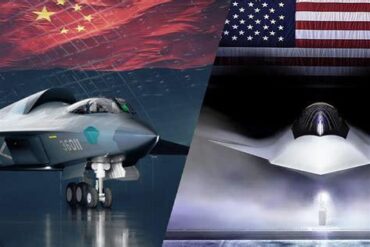
- Stealth adversaries: Fighters like the F-22 Raptor and Su-57 reduce detection by enemy radars, diminishing the F-16’s ability to engage in traditional dogfights.
Survivability Against Fifth-Generation Fighters
Against aircraft like the F-22, F-35, and J-20, the F-16 faces disadvantages:
- Lack of stealth: The radar cross-section (RCS) of the F-16 makes it more detectable compared to stealth fighters.
- Inferior avionics: While modern upgrades like the AN/APG-83 AESA radar improve detection capabilities, they are still outclassed by stealth-equipped aircraft.
AI in Dogfighting: The DARPA AlphaDogfight Experiment
The Rise of AI-Piloted Fighters
A landmark event in AI-driven aerial combat occurred in August 2020, when the DARPA AlphaDogfight competition showcased AI defeating human pilots in a simulated F-16 dogfight. Key findings from the event include:
- AI trained through 4 billion simulations, equivalent to 12 years of combat experience.
- AI’s aggressive tactics: Unlike human pilots, AI executed risky maneuvers, such as head-on gun attacks and high-G turns, without concern for physiological limitations.
- Flawless reaction speed: AI’s ability to compute flight paths, counter-maneuvers, and attack trajectories instantaneously proved decisive.
Implications for Human Pilots
While AI demonstrated superior dogfighting skills, it also exhibited reckless tactics, making it unsuitable for independent deployment. Future integration will likely focus on:
- AI-assisted flight systems: Enhancing pilot decision-making rather than replacing them.
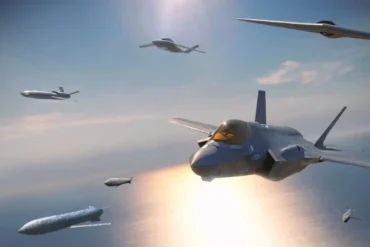
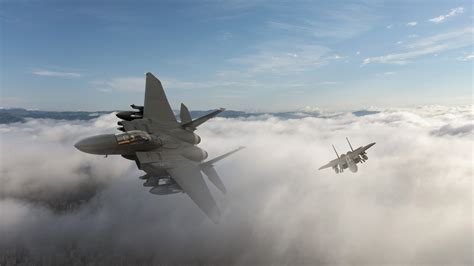
- Autonomous wingman concept: AI-controlled loyal wingman drones supporting F-16 squadrons in combat scenarios.
The Future of F-16 in Modern Aerial Warfare
Upgrades and Role Evolution
Despite its limitations, the F-16 remains relevant through continuous upgrades and strategic deployments:
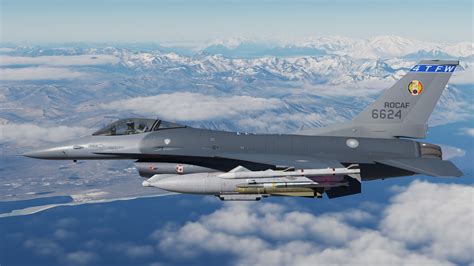
- F-16V variant: Equipped with AESA radar, advanced avionics, and enhanced electronic warfare systems to counter modern threats.
- Multi-role adaptability: While its dogfight supremacy is challenged, the F-16 excels in ground-attack, reconnaissance, and electronic warfare roles.
- Loyal Wingman Integration: The concept of AI-assisted unmanned aircraft operating alongside piloted F-16s enhances survivability in modern battlefields.
AI-Human Collaboration in Air Combat
The future of air combat will likely see AI and human pilots working in tandem rather than AI replacing traditional fighters entirely. Key developments include:
- DARPA’s ACE Program: Exploring AI’s potential in real-time mission adaptation and combat decision-making.
- Swarm warfare tactics: AI-controlled drone swarms supporting F-16 formations in combat scenarios.
Conclusion
The F-16 Fighting Falcon has established itself as one of the most effective dogfighters in history, combining maneuverability, firepower, and combat adaptability. However, modern warfare emphasizes BVR engagements, stealth technology, and AI-driven combat, challenging the relevance of traditional dogfighting. Through continuous upgrades, AI integration, and multi-role versatility, the F-16 remains a crucial asset in 21st-century aerial warfare.
FAQ
1. How does the F-16 compare to the F-35 in dogfighting?
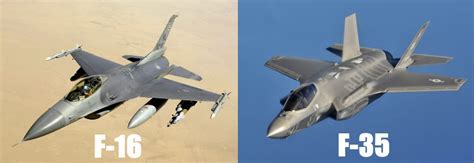
The F-16 has better maneuverability and higher thrust-to-weight ratio, making it superior in close-range dogfights. However, the F-35’s stealth, advanced sensors, and BVR capabilities make it more effective in modern combat scenarios.
2. Can AI replace human fighter pilots?
While AI has demonstrated superior reaction speeds and maneuvering ability, it lacks strategic thinking and adaptability. AI is more likely to be used as an autonomous wingman rather than replacing human pilots entirely.
3. Is the F-16 still relevant in modern air combat?
Yes. Despite facing challenges from stealth aircraft and long-range missiles, the F-16 remains relevant due to constant upgrades, multi-role adaptability, and potential AI-assisted operations.