The dawn of jet-powered travel began not with the Boeing 707 or the Douglas DC-8, but with a revolutionary aircraft built in Britain—the de Havilland Comet. On May 2, 1952, a silver jetliner lifted off from London en route to Johannesburg, slicing hours off the usual journey time and introducing the world to a level of speed and comfort that had been unimaginable. This flight, although overshadowed by its successors, stands as the most important single flight in commercial aviation history, not only for its technological audacity but for the sweeping changes it catalyzed across the entire industry.
The legacy of that flight, and the Comet itself, is not merely one of innovation—it is also a story of costly lessons, painful setbacks, and enduring influence. As the first jet airliner to enter commercial service, the Comet redefined long-haul air travel and exposed critical gaps in aerospace engineering. Its ultimate downfall brought about sweeping safety reforms and established the framework for modern jetliner design.
A Giant Leap Beyond Propellers: Breaking Free From the Past
Before jets, the skies were dominated by elegant but limited piston-engine airliners like the Douglas DC-3, DC-6, Lockheed Constellation, and Boeing 377 Stratocruiser. These aircraft, while historic in their own right, were bounded by mechanical complexity, lower cruising altitudes, and comparatively slow speeds. Long-haul routes were grueling and noisy, plagued by turbulence and weather.
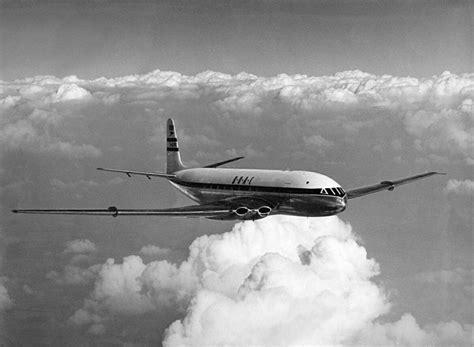
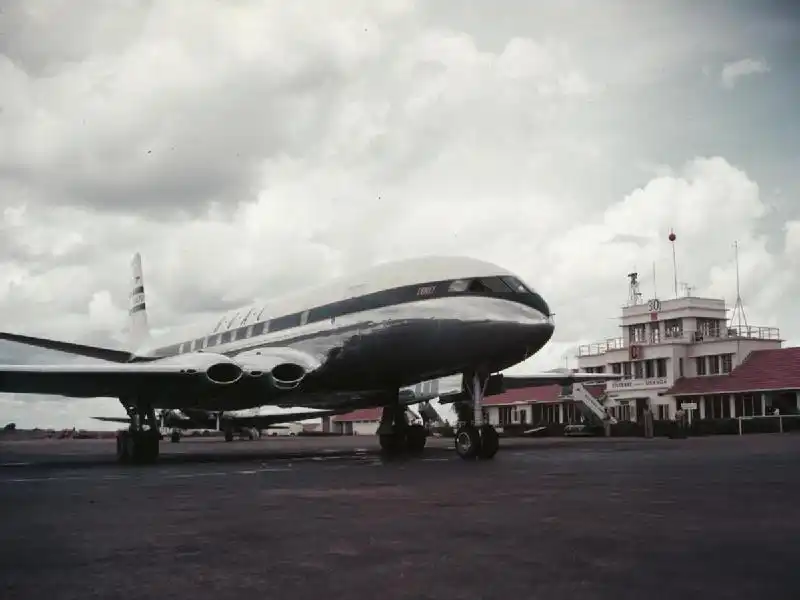
Enter the de Havilland Comet, conceived from the British Brabazon Committee’s postwar vision of transatlantic dominance. It was designed to do what no aircraft had done before: to combine pressurized comfort, jet speed, and intercontinental reach. With seating for 36 passengers and four pioneering Ghost turbojet engines buried in its wings, the Comet promised a quiet, smooth, and swift journey.
Its inaugural commercial flight from London to Johannesburg, cutting hours off traditional travel time, was a triumph. The jet age had officially begun—not in theory, but in practice.
The World’s First Jet Airliner: The Comet’s Design Breakthroughs
The Comet’s pressurized cabin and high-altitude cruising offered revolutionary benefits:
- Smoother flights: By flying above the weather, the Comet largely eliminated the jolts and bumps that plagued propeller aircraft.
- Noise reduction: Its jet engines ran far quieter than piston engines, changing the in-flight soundscape forever.
- Reduced travel time: It shaved hours from long-haul itineraries, allowing airlines to rethink schedules and aircraft utilization.
Its sleek fuselage, clean lines, and modern cabin hinted at a future many had yet to imagine. At a time when most long-distance flights included stopovers, overnight legs, and meandering routings, the Comet cut through the air at cruise speeds exceeding 460 mph—a full 100 mph faster than even the latest propliners of the time.
The Comet’s Meteoric Rise and Early Operational Success
Backed by BOAC (British Overseas Airways Corporation), the Comet became a centerpiece of Britain’s aviation resurgence. Within its first year, the aircraft had transported over 30,000 passengers to distant capitals—Singapore, Tokyo, Colombo, and Johannesburg—becoming a symbol of postwar British engineering pride. International orders flowed in from airlines like Canadian Pacific and Union Aéromaritime de Transport, extending the jet’s reach across continents.
These early successes created an aura of inevitability around jet travel. The industry watched as the Comet demonstrated not only that jet flight was viable but that passengers preferred it. No longer was it simply about reaching the destination—it was about how you got there.
Tragedy in the Sky: The Fatal Flaws That Shook the World
But what rose like a comet also fell like one. In 1953 and 1954, three catastrophic mid-air disintegrations shattered public confidence in the Comet. Each accident was chilling in its suddenness. Investigation revealed that the very advantages of the jet age—pressurization and altitude—were stressing the aircraft’s structure in ways not fully understood.
The root cause was metal fatigue, a silent killer born of repetitive pressurization cycles. Small cracks formed around square window corners and rivet lines, gradually weakening the airframe. At the time, engineers had not yet developed models or testing methods to predict long-term fatigue behavior in pressurized jets.
In an unprecedented move, the British government grounded the entire fleet. The Comet became both a technological marvel and a tragic cautionary tale. But this crisis became a turning point for aviation safety.
Hard Lessons, Lasting Legacy: Safety Reborn Through Engineering
The investigation into the Comet disasters set a new benchmark for air crash analysis. For the first time, full-scale water tank fatigue testing and forensic metallurgical analysis were used to replicate failure scenarios. This detailed inquiry reshaped aircraft certification forever.
Key safety developments included:
- Rounded windows to reduce stress concentrations
- Improved metallurgy for fuselage components
- Rigorous pressurization cycle testing
- Redesign of joints, rivets, and skin reinforcements
These changes were incorporated into the Comet 4, a safer, stronger airliner. Although the Comet’s return was welcomed technically, it was overshadowed commercially by a rising American giant.
The Boeing 707: The Jet That Seized the Moment
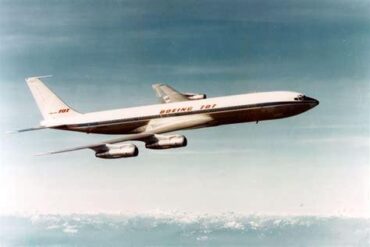
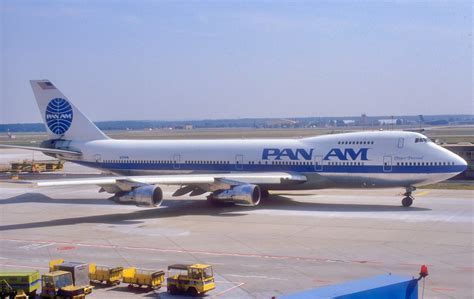
When the Boeing 707 debuted in 1958, it quickly became the standard-bearer of the global jet age. Larger, faster, and with greater range than the Comet, it was designed with the benefit of both military jet experience and the hard-earned lessons from de Havilland’s tragedy.
Major airlines like Pan Am, American Airlines, and TWA adopted the 707 en masse, ushering in a new era of transatlantic accessibility. The 707’s success was no accident—it built on the Comet’s innovations while avoiding its engineering pitfalls.
Beyond Boeing: The Jet Age Expands
The Douglas DC-8 soon followed, competing closely with the 707. While never outselling Boeing’s creation, the DC-8 secured a loyal customer base and saw service well into the 21st century. Meanwhile, the Sud Aviation Caravelle, a French jet with engines mounted at the rear, brought jet travel to shorter European routes and refined regional jet design.
Though outpaced by competitors, the Comet’s influence remained etched into every rivet, window, and fuselage curve of the jets that followed.
Comfort at 40,000 Feet: How the Comet Transformed the Passenger Experience
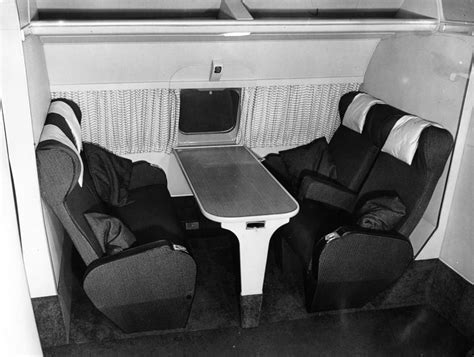
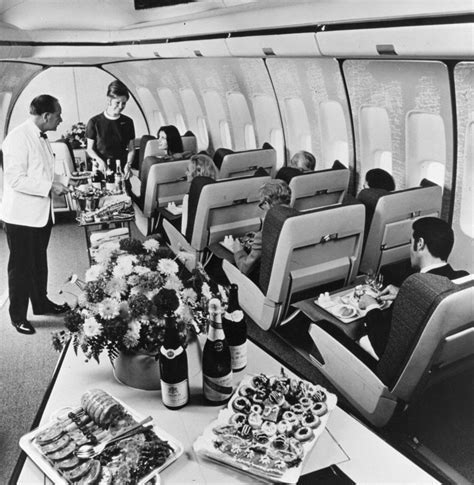
Among the Comet’s most enduring impacts was its elevation of in-flight comfort. Earlier propeller aircraft were noisy, prone to vibration, and often buffeted by storms. The Comet soared above weather patterns, delivering a tranquil cruise environment. Jet engines eliminated many of the cabin rumbles passengers had long endured.
Its interiors introduced more refined seating layouts, enhanced window views, and a new standard of aerial elegance. These features were no longer luxuries—they became baseline expectations. Today’s airliners owe much of their passenger-centric design philosophy to the Comet’s original blueprint.
The Tragic Pioneer That Changed the Skies Forever
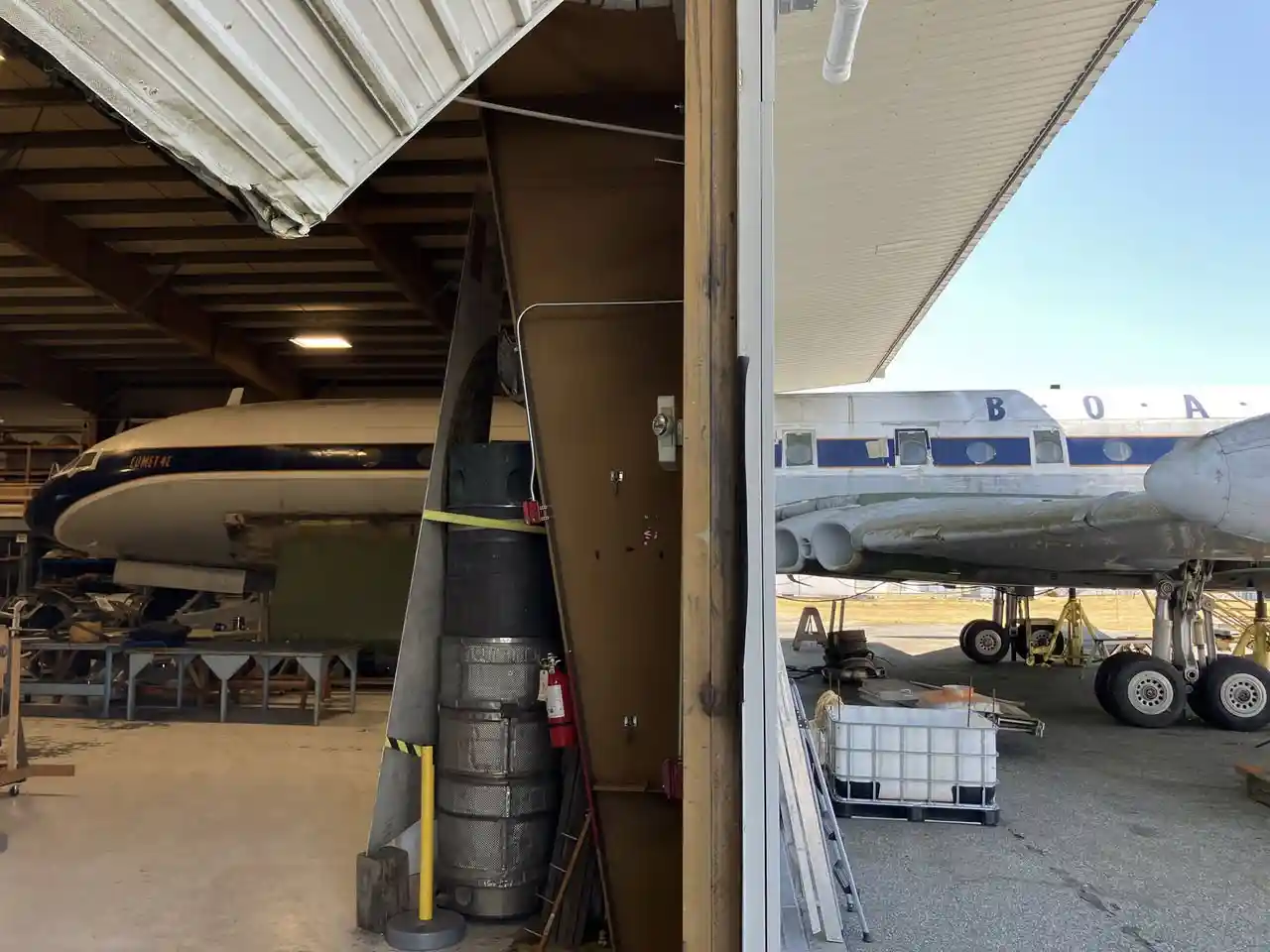
Despite its premature fall from commercial grace, the Comet’s significance is unmatched. It was not merely an aircraft—it was a bold experiment that changed the trajectory of aviation forever. In bringing jet technology to commercial travel, it introduced the jet age, redefined safety engineering, and reoriented public expectations around speed, comfort, and global mobility.
The Comet’s legacy is best understood not in terms of sales numbers or years in service but through its profound impact on aerospace design, airline economics, and international connectivity. Every jetliner flying today carries echoes of that first flight in May 1952—a legacy forged in both triumph and tragedy.
Conclusion: A Flight That Forever Changed Our World
The most important single flight in commercial aviation history was not the longest, the fastest, or the most profitable. It was the first commercial jet journey that proved the skies could be conquered not with props and pistons, but with turbines and thrust.
The de Havilland Comet, through both its revolutionary ascent and tragic setbacks, paved the runway for a safer, faster, and more connected world. It is not simply an aircraft remembered—it is an idea realized, a turning point from which aviation would never look back.