When considering buying a vintage plane to learn on, the allure of affordability and nostalgia is undeniable. Many aspiring pilots find themselves drawn to classic models from the 1960s and 1970s, enticed by lower upfront costs and the chance to fly a piece of aviation history. However, as we explore in depth, purchasing a vintage aircraft requires more than a casual eye for a good deal. It demands a rigorous understanding of aircraft condition, maintenance logistics, and practical limitations that may accompany older planes.
The Economic Appeal of Vintage Aircraft
One of the primary reasons flight students and new owners gravitate toward vintage planes is cost. Models like the Cessna 150/152, Piper PA-28, and Taylorcrafts are often priced well below their modern counterparts. While a new Piper Archer LX may soar past $600,000, many well-maintained 1970s Piper Warriors or Cessna 150s can be found in the $40,000 to $70,000 range. The initial savings are compelling, particularly for those seeking to build flight hours economically.
That said, it’s essential to view the purchase not merely as a one-time payment but as an ongoing financial commitment. While the upfront price is low, maintenance, parts replacement, and avionics upgrades can add significant costs over time.
Are Older Aircraft Good for Learning?
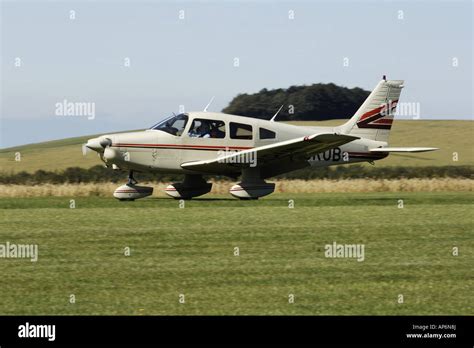
A common misconception is that vintage aircraft might be outdated or unsuitable for training. However, the core design and mechanical systems of light aircraft have remained remarkably consistent over the decades. A 1970s Piper Warrior or Cessna 152 operates on the same basic principles as modern trainers. The engines, typically Lycoming or Continental, maintain design philosophies that date back half a century.
Pilots frequently report that these planes are fantastic platforms for mastering fundamental flight skills. In fact, learning on an older, simpler panel can instill a more profound understanding of core aeronautical principles before advancing to glass cockpit systems. It’s also worth noting that many flight schools still rely on these “vintage” aircraft in their fleets, proving their durability and continued relevance.
Maintenance Realities: Parts and Reliability
The longevity of vintage aircraft largely hinges on maintenance quality and parts availability. Most airframes from the 1960s and 70s remain viable because of stringent FAA regulations requiring meticulous logbook documentation and regular inspections. As highlighted by many seasoned pilots, if the airplane has passed a thorough pre-buy inspection, it can be as reliable as newer models.
However, there are caveats. Aircraft older than 1965 may present challenges with parts sourcing. While the essential mechanical elements (like engines and basic airframe components) are well-supported, niche parts—especially related to the original avionics or cosmetic elements—may be scarce or require custom fabrication. Therefore, choosing a plane with a robust support network, such as a Cessna 150 or Piper PA-28, ensures better access to replacement parts and knowledgeable mechanics.

Safety Considerations: Vintage Doesn’t Mean Unsafe
Safety often emerges as a primary concern when evaluating older planes. It is critical to underscore that airworthiness certificates and regular inspections are mandatory for all aircraft, regardless of age. In aviation, maintenance history and current condition outweigh the importance of the year of manufacture. As one experienced pilot noted, flying a 1970s PA-28 is not inherently riskier than flying a brand-new Archer—assuming both have clean maintenance records and are operated within their performance limits.
That said, some older planes like the Globe Swift, while charming and high-performing, are not recommended for beginners due to their tailwheel configuration and complex handling characteristics. For initial training, tricycle-gear trainers like the Cessna 150/152 or Piper Cherokee series are far more forgiving.
Upgrades: Modernizing Your Vintage Trainer
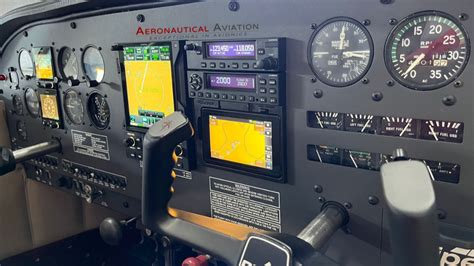
One of the compelling aspects of owning a vintage plane is the ability to modernize it incrementally. Many owners choose to retrofit their aircraft with modern avionics, replacing aging vacuum systems with digital displays like Garmin G5s or Aspen Evolution panels. These upgrades not only enhance situational awareness but may also reduce weight compared to legacy equipment, though some pilots have observed that glass cockpits can subtly impact the plane’s useful load.
Cosmetic refurbishments, such as updated interiors and fresh paint, can breathe new life into a tired airframe, while overhauling an engine extends operational viability for years. These improvements can increase both pilot confidence and the resale value of the aircraft.
Cost of Ownership: Budgeting Beyond the Purchase
Aircraft ownership doesn’t end at the point of sale. To paint a realistic picture, owners must budget for:
- Annual inspections (typically $1,200–$2,500)
- Insurance premiums (varying based on pilot experience and aircraft type)
- Hangar or tie-down fees
- Routine maintenance and unscheduled repairs
One owner of a 1967 Piper PA-28-140 highlighted that despite its simplicity and reliability, unexpected repairs can quickly add up. A savvy owner keeps a contingency fund for the inevitable surprises that arise with older airframes.
Community Insights: Wisdom from Experienced Pilots
A significant advantage of choosing a widely flown vintage model is access to a vast community of fellow owners and enthusiasts. Online forums, social media groups, and local pilot networks are treasure troves of maintenance advice, upgrade recommendations, and shared experiences. Pilots flying similar vintage planes often provide invaluable guidance for troubleshooting quirks and identifying reputable mechanics.
This community support enhances safety and ensures that even newer pilots feel equipped to handle the nuances of their vintage trainer.
Final Verdict: Is Buying Vintage Worth It?
Purchasing a vintage plane as a primary trainer is not just a financially attractive option but a practically sound choice—provided buyers perform thorough due diligence. As echoed by seasoned aviators, the decision should focus less on the plane’s age and more on its current condition, maintenance history, and parts support network.
Aircraft like the Cessna 150/152, Piper PA-28 series, and Taylorcrafts have proven track records as reliable, affordable trainers. While certain older models—such as the Globe Swift—offer a thrilling experience, they are best reserved for pilots who have already honed their skills on more forgiving platforms.
In summary, a vintage plane can be a fantastic investment in your flying journey, blending cost-effectiveness with rich aviation heritage. By entering with eyes wide open—armed with knowledge, a solid budget, and an appreciation for both the rewards and responsibilities of ownership—you can confidently take to the skies in a trusted classic.