Understanding the Legality and Reality of Helicopter Self-Training
In the realm of aviation, few machines are as complex and unforgiving as the helicopter. Unlike airplanes, which possess inherent aerodynamic stability, helicopters demand continuous and intricate control inputs from the pilot. For this reason, the question “Is it possible to learn how to fly a helicopter without enrolling in a flying school?” is not only controversial but also potentially dangerous.
Legally speaking, it is not permissible to operate most conventional helicopters in the United States or other regulated airspaces without a license. The Federal Aviation Administration (FAA) mandates certification for any aircraft classified beyond the ultralight category. That said, there are specific exceptions, primarily revolving around the ultralight helicopter category, which opens a narrow and risky pathway to self-instruction.
The Ultralight Helicopter Loophole
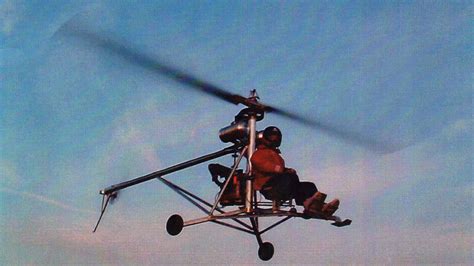
The only feasible path to learning to fly a helicopter without attending an official flight school lies in the ownership and operation of ultralight helicopters. According to FAA Part 103 regulations, ultralight aircraft:
-
Must weigh less than 254 pounds (excluding safety devices)
-
Are single-seat only
-
Must not exceed 55 knots (63 mph)
-
Are intended strictly for recreational flying
This category does not require a pilot license, medical certificate, or formal training. However, it comes with serious limitations and life-threatening risks. One of the most popular models in this category is the Mosquito helicopter, available in kit or factory-assembled form. These helicopters can cost anywhere from $40,000 to $60,000, depending on engine type (piston or turbine).
Why Helicopters Are Exceptionally Difficult to Fly
Helicopters are inherently unstable. Unlike fixed-wing aircraft, they lack the ability to self-correct in flight. Every moment in the air requires active management of:
-
Cyclic control (tilting the rotor disc to direct movement)
-
Collective pitch (changing rotor blade pitch to ascend or descend)
-
Anti-torque pedals (controlling yaw)
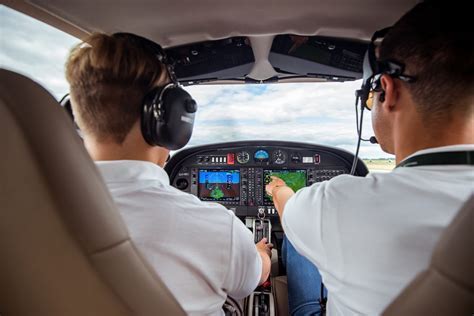
This triad of simultaneous inputs demands constant hand-foot coordination, a deep understanding of rotor dynamics, and razor-sharp reflexes. Even minor errors during takeoff or hover can lead to rotor strikes or rollovers. As a result, many veteran pilots insist that learning to fly a helicopter solo, without a trained instructor, is suicidal.
The Reality of Self-Taught Piloting
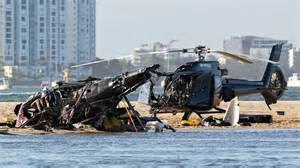
While it is technically legal to fly an ultralight helicopter without training, the probability of a fatal accident is high. A former Marine aviator, Piers Morgan, bluntly stated that anyone attempting to learn without instruction would need at least ten helicopters—”because you’re going to crash most of them.“
Roger Funk, a former electronics engineer who managed a fleet of corporate helicopters, emphasized that even under the supervision of a Chief Pilot, rigorous instruction was critical to meet FAA expectations.
The argument is clear: theoretical knowledge alone is not enough. Watching YouTube tutorials, reading manuals, or using basic simulators may provide foundational concepts but do not replace real-world experience, particularly for managing hover instability, autorotation landings, or unexpected gusts near the ground.
Cost Considerations: Helicopters Are Not Cheap Toys
One significant factor preventing independent helicopter training is the astronomical cost. Even a low-end certified helicopter like the Robinson R44 starts around $400,000, with operational costs of $300 to $500 per flight hour. More advanced models, such as those used by law enforcement or medical services, often exceed $2 million.
By contrast, ultralight helicopters like the Mosquito offer an affordable gateway, but even they can be economically destructive if repeatedly damaged due to inexperience. Beyond the cost of crashes lies the risk of civil liability and FAA prosecution if the aircraft is flown improperly or into controlled airspace.
Private Instruction as an Alternative to Flight Schools
For individuals who resist the structure of traditional flight schools, there remains a middle ground—hiring a private helicopter instructor. Many certified flight instructors (CFIs) offer one-on-one lessons outside of formal school settings, and this can be arranged at local airports or via helicopter clubs.
Advantages of this method include:
-
Custom schedules and personalized instruction
-
Access to certified training aircraft
-
Reduced bureaucratic overhead
Though still bound by FAA regulations, private instruction provides the critical safety net of experienced oversight, significantly increasing the odds of mastering rotary flight without accidents.
Flight Simulators: Helpful, Not Sufficient
Modern helicopter flight simulators—especially professional-grade platforms—can provide valuable muscle memory and situational training. However, they cannot fully replicate the nuances of real-world wind, vibration, or control feedback. While hobbyist simulators such as X-Plane or Microsoft Flight Simulator do simulate helicopter dynamics to some extent, they should only be considered supplemental tools.
Real-world experience remains irreplaceable for mastering the tactile and instinctual responses needed during critical flight phases such as hover, autorotation, or confined-area landings.
What Happens If You Ignore the Rules?
Operating a helicopter without the required license (outside the ultralight category) is a federal offense in the U.S. The FAA enforces strict penalties, including:
-
Revocation of any existing pilot privileges
-
Substantial fines
-
Civil lawsuits or criminal prosecution in the event of injury or property damage
Moreover, insurance companies will not cover unlicensed pilots, meaning any accident results in full personal liability.

Conclusion: Can You Learn Without School? Technically, Yes. Safely, No.
The only legal pathway to flying a helicopter without enrolling in a flight school is through ultralight helicopter operation. However, this route is laden with risk, often compared to learning how to drive by crashing sports cars on the freeway.
We must emphasize that helicopters are not forgiving machines. They do not tolerate poor handling, and unlike fixed-wing aircraft, they offer little room for recovery from errors. Self-training in this field has a steep human cost, and we strongly advise any aspiring pilot to seek formal instruction—whether through schools or independent certified instructors.
Frequently Asked Questions
Can I legally fly a helicopter without a pilot license?
Only ultralight helicopters that meet FAA Part 103 requirements may be flown without a license. All other helicopters require certification, and flying them without proper documentation is both illegal and highly dangerous.
What is the cheapest way to learn to fly a helicopter?
Hiring a private instructor and using shared or rented helicopters is generally cheaper than enrolling in a full flight academy. Ultralight helicopters offer another option, but this comes with significant safety concerns.
Can I use a simulator to teach myself how to fly helicopters?
Simulators can be helpful for understanding controls and procedures, but they do not replace actual flight training. Physical experience is crucial to developing the reflexes needed for real-world helicopter handling.