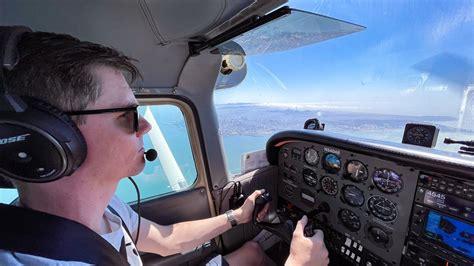
Learning to fly in the SF Bay Area is a dream shared by many aviation enthusiasts, given the region’s vibrant flying community, excellent weather, and variety of training opportunities. We have gathered in-depth insights based on local recommendations and personal experiences to help future pilots navigate their choices.
The Strategic Importance of Airport Location
Choosing the right airport plays a critical role in flight training success. In the Bay Area, traffic congestion can heavily impact your motivation and availability to fly. For residents of Mountain View and the Peninsula, Palo Alto Airport (KPAO) stands out. Its proximity minimizes commute stress, enabling frequent and consistent flying sessions, which are crucial for steady progress.
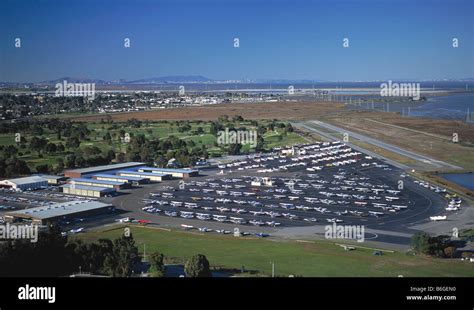
Other viable options include San Carlos Airport (KSQL), Reid-Hillview Airport (KRHV), and Livermore Airport (KLVK). However, for those prioritizing easy access, KPAO emerges as the best choice, especially when balancing work, study, or family obligations.
Top Recommended Flight Schools and Flying Clubs
Advantage Aviation at KPAO
Advantage Aviation garners strong praise for its balance of modernity, aircraft availability, and instructor quality. Students benefit from:
- A broad fleet featuring both traditional steam gauge and modern G1000/GFC700 equipped aircraft.
- Specialty aircraft like the Pitts, Great Lakes, Stearman, and T-6 for those interested in advanced training.
- Competitive aircraft rental prices (by Bay Area standards) and competent, responsive maintenance teams.
Instructor (CFI) rates generally range from $70 to $100 per hour, with a high standard of teaching professionalism across the board.
West Valley Flying Club at KPAO
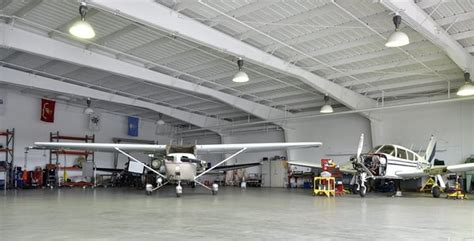
Another excellent option is West Valley Flying Club. Although slightly more expensive on rentals, they compensate with lower monthly membership dues. Their diverse fleet supports training from the first private pilot license to more advanced ratings. While the variety of “exotic” aircraft isn’t as extensive as Advantage’s, their primary trainers are abundant and well-maintained.
Sundance Flying Club at KPAO
Sundance offers a smaller, carefully maintained fleet with a flexible instructor roster. Many students endorse Sundance for the quality of instruction and reliability of aircraft. A notable advantage here is the accessibility to CFIs across various experience levels, making it easier to match your learning style and budget.
Instructor rates can be very affordable, starting around $45/hour, while maintaining high teaching standards.
Flight Schools Outside of KPAO Worth Considering
Aerodynamic Aviation at KRHV
For those willing to fly out of Reid-Hillview Airport (KRHV), Aerodynamic Aviation is a highly reputable option. Known for their strong tailwheel and backcountry training programs, Aerodynamic provides:
- Access to affordable, older aircraft with outstanding maintenance.
- Opportunities to train in tailwheel aircraft like the Citabria, beneficial for fundamental stick-and-rudder skills.
However, it’s crucial to plan around traffic conditions. Morning sessions work best from Mountain View, as afternoon commutes southbound can be brutally slow.
Alameda Aero Club at KOAK
Operating out of Oakland Airport (KOAK), Alameda Aero Club offers some of the most budget-friendly rental rates in the Bay Area. While it’s not as close for Peninsula residents, the affordability and community atmosphere can make it a compelling choice for dedicated students.
Choosing the Right Flight Instructor (CFI)
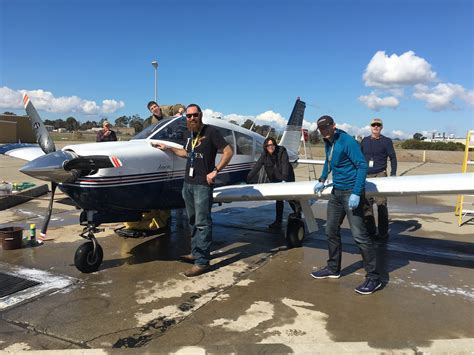
Selecting a flight instructor is perhaps the most pivotal decision in your aviation journey. Compatibility in communication style, patience, teaching methods, and availability matter even more than hourly rates.
Remember:
- You’ll spend countless hours in close quarters during both ground school and flight time.
- Finding a CFI who resonates with your personality and learning style significantly accelerates your progress.
Both Advantage Aviation and West Valley Flying Club host many talented instructors, so we recommend scheduling introductory flights with a few before committing.
Glass Cockpit vs. Traditional Six-Pack Training
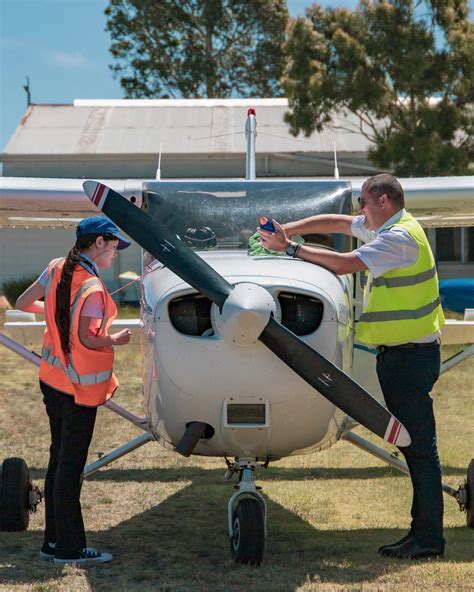
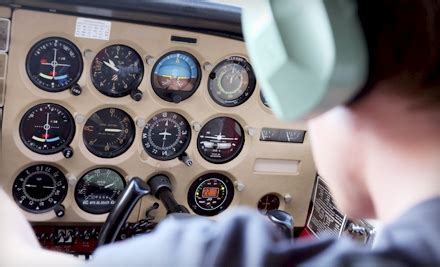
The question of whether to train in a modern “glass cockpit” aircraft like the G1000 or traditional six-pack avionics is a matter of long-term flying goals.
- If your ambitions include flying IFR (instrument flight rules) or pursuing a career in aviation, getting comfortable with modern glass technology early offers a head start.
- If recreational flying or backcountry operations are your primary goals, traditional six-pack training provides a more budget-friendly and widely applicable foundation.
Moreover, many flight schools allow a hybrid approach, giving students exposure to both environments before checkrides.
Cost of Training: Breaking Down the Investment
Training in the Bay Area is a significant financial commitment. Key costs include:
- Aircraft Rental: Approximately $130/hour for older Cessna 172s and $180/hour for G1000-equipped aircraft.
- Instructor Fees: Between $45-$100/hour depending on the CFI and school.
- Written Exam: Around $140, especially when using discounts from organizations like AOPA.
- Checkride (Practical Test): Ranges from $600 to $1000 depending on the Designated Pilot Examiner (DPE).
While flying older, well-maintained aircraft can reduce rental costs, higher fuel prices (around $5+/gallon) and hangar fees (approximately $160/month) contribute to overall expenses.
Additional Considerations for Choosing a Flight School
Beyond fleet age and pricing, evaluate:
- Fleet Maintenance Standards: Older planes are fine if impeccably maintained.
- Aircraft Availability: Consistent access to aircraft speeds up training timelines.
- Learning Atmosphere: Some clubs foster a supportive, community-driven environment better than others.
- Scheduling Flexibility: Especially if you need weekend or evening flights.
Private Recommendations Worth Exploring
Some instructors operate independently or in smaller groups. For instance, Jason Miller of “The Finer Points of Flying” is highly recommended for his outstanding teaching methods, although his schedule is often tight. Another excellent option is Eliot Floersch at San Carlos Airport, well-known for Cirrus training.
Personal instruction like this can sometimes provide a customized, high-caliber experience, especially if your goals extend beyond a simple PPL (Private Pilot License).
Final Thoughts: The Best Flight Training Experience in the SF Bay Area
Choosing the right flight school in the San Francisco Bay Area hinges on balancing logistics, finances, and personal learning preferences. Advantage Aviation and West Valley Flying Club at KPAO emerge as top contenders for their proximity, fleet diversity, and instructor quality. Sundance offers a more boutique, flexible experience for students who value personalized instruction.
Ultimately, a flight school is only as good as the instructors and aircraft you work with daily. We strongly encourage prospective students to visit multiple schools, meet instructors, inspect fleets, and — most importantly — choose a path that keeps your passion for flying alive.