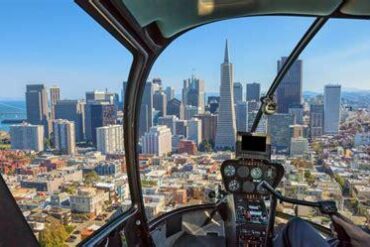
The steady thump of helicopter blades over parts of the Bay Area this week has sparked curiosity, speculation, and no small amount of social media chatter. For residents unaccustomed to seeing aircraft flying low and methodically across neighborhoods, the activity can feel unusual. In reality, these flights are a visible sign that one of the largest security operations of the year is quietly moving into its final phase.
With the Super Bowl just days away, federal, state, and local agencies have activated long-standing safety protocols designed to protect large-scale public events. Among the most noticeable of these measures are aerial security surveys, which are conducted every year ahead of events that draw tens of thousands of spectators and global attention.
Routine Super Bowl Security, Not an Emergency Response
The helicopter flights are not linked to a specific threat, nor are they a reaction to any known incident. Officials have emphasized that the operations are routine, preventive, and planned well in advance. Similar aerial activity has taken place before previous Super Bowls, presidential inaugurations, major political conventions, and large international gatherings.
The purpose is preparation, not reaction. By conducting surveys before crowds arrive, authorities can establish a detailed baseline of environmental conditions. That information becomes invaluable if anything unusual were ever detected during or after the event. This proactive approach allows security teams to respond with speed and precision instead of uncertainty.
Leonardo AW139 Helicopter at the Center of the Operation
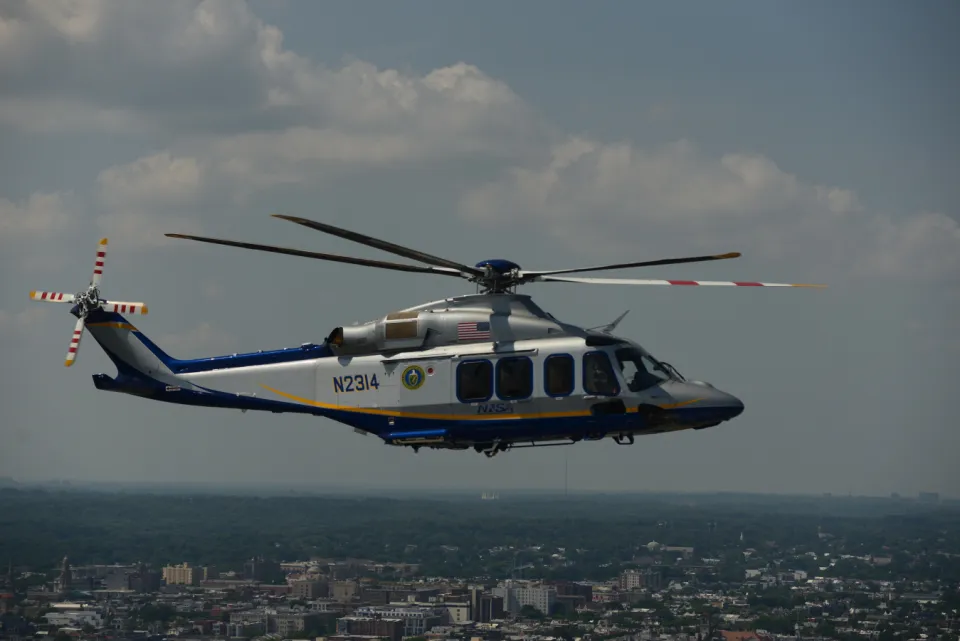
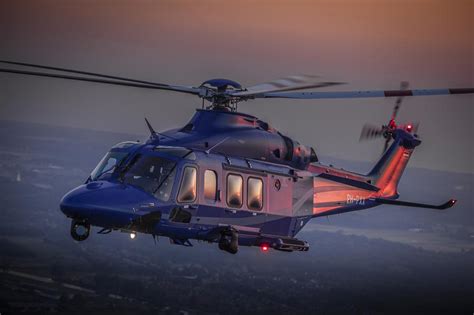
The aircraft drawing attention is a Leonardo AW139, a modern, twin-engine helicopter widely used for military, government, and emergency missions around the world. In this case, the helicopter is operated by the National Nuclear Security Administration (NNSA) as part of its Nuclear Emergency Support Team.
Equipped with specialized radiation-sensing technology, the AW139 flies in a tightly controlled grid pattern at roughly 150 feet above ground level and at speeds close to 80 miles per hour. This low altitude is intentional, allowing onboard sensors to accurately measure normal background radiation levels across urban and suburban areas.
The data collected during these daylight flights helps establish a clear environmental snapshot. If a radiological release were ever suspected, authorities could quickly compare new readings against this baseline to assess risks to public health and the environment.
How Long the Flights Last and What Residents Can Expect
Each survey typically lasts around two hours per area, and the flights are conducted only during daylight to ensure maximum data accuracy and safe operations. Officials have confirmed that the aerial inspections will continue through tomorrow, after which the helicopter activity should noticeably decrease.
While the low altitude can make the aircraft seem louder than standard police or news helicopters, the flight paths are carefully planned to minimize disruption while still covering necessary ground. The NNSA has described these surveys as a normal part of national security readiness, underscoring that there is no cause for public concern.
FAA Imposes Extensive No-Drone Zones Ahead of the Game
The helicopter operations are only one piece of a much broader security puzzle. In parallel, the Federal Aviation Administration (FAA) has rolled out a complex network of temporary flight restrictions aimed at unmanned aircraft systems, commonly known as drones.
Beginning February 3, drone flights are prohibited around several high-profile San Francisco locations, including Moscone Center, the Ferry Building, Grace Cathedral, and The Pearl. These restrictions typically cover a two-nautical-mile radius up to 2,000 feet, with enforcement windows expanding as the Super Bowl approaches.
On February 5, additional restrictions apply to the Palace of Fine Arts, while February 8 brings the most significant controls. During the game itself at Levi’s Stadium, restricted airspace expands dramatically to a 30-nautical-mile radius reaching up to 18,000 feet, effectively locking down the skies for the duration of the event.
Why Drone Restrictions Matter More Than Ever
Modern event security treats drones as both tools and potential risks. Unauthorized drones can interfere with emergency aircraft, disrupt broadcast operations, or create security vulnerabilities in crowded venues. The FAA’s layered restrictions ensure that only approved aircraft, operating under strict coordination, are allowed anywhere near sensitive areas.
Violating these no-drone zones carries serious consequences, including fines and potential criminal charges. Authorities have been clear that enforcement during Super Bowl week will be strict and highly visible.
Super Bowl Brings Massive Surge in Air Travel
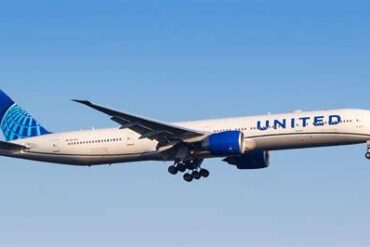
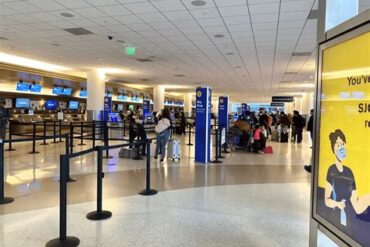
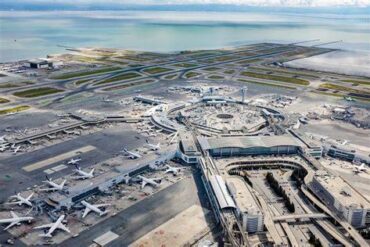
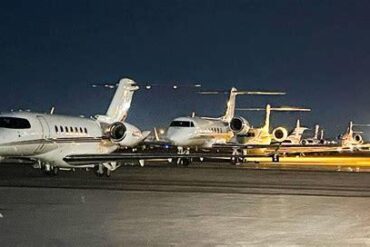
Beyond security, the Super Bowl is also transforming Bay Area air traffic in more conventional ways. Airlines have dramatically increased capacity to meet demand, particularly into Norman Y. Mineta San Jose International Airport, the closest major airport to Levi’s Stadium.
American Airlines alone added more than 10,000 seats between February 5 and 10, pushing its San Jose operations to over 450% of normal levels. Additional flights from Boston and Seattle were scheduled, while Alaska Airlines and JetBlue also expanded services from key hubs.
A Visible Reminder of Invisible Planning
The helicopters buzzing the Bay Area may feel intrusive, but they represent an enormous amount of behind-the-scenes coordination. From radiation surveys and drone restrictions to airline scheduling and crowd management, Super Bowl security is built on redundancy, data, and preparation.
For residents, the takeaway is simple. The skies are busy because planners are doing their jobs early, methodically, and with caution. Once the game begins, most of this activity will fade into the background, leaving fans, players, and cities to focus on what the Super Bowl is meant to be: a spectacle, not a security story.