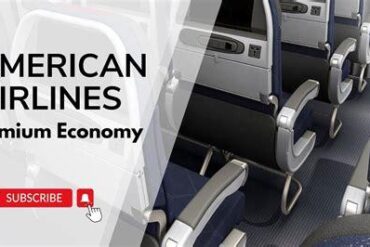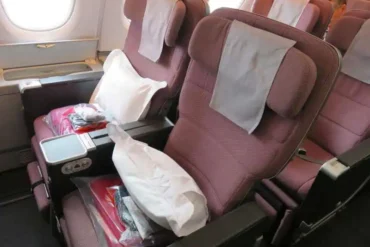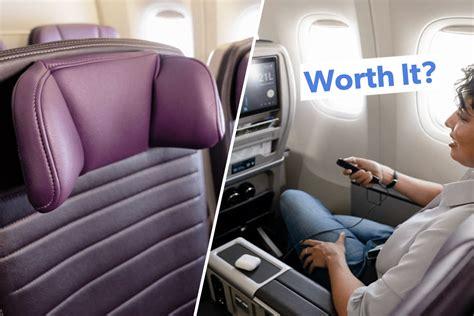
Flying in premium economy has become one of the smartest ways to improve long-haul travel without paying the staggering price of business class. Wider seats, deeper recline, upgraded meals, priority boarding, and quieter cabin sections make premium economy an increasingly attractive option for travelers who want comfort without spending thousands more. Yet most passengers still misunderstand how airline upgrade systems actually work, especially when trying to move from economy into premium economy.
Many travelers assume upgrades are simply based on luck or elite status. In reality, airlines use sophisticated pricing systems, behavioral psychology, and fare restrictions that dramatically influence who gets access to better seats and how much they pay. Understanding those hidden mechanics can mean the difference between scoring a premium economy seat for a fraction of its retail price or overpaying unnecessarily.
Airlines rarely advertise these details clearly because upgrade confusion is profitable. The less passengers understand about fare rules and bidding systems, the easier it becomes for carriers to maximize revenue from unsold premium seats.
By learning how these systems operate behind the scenes, travelers can approach upgrades strategically instead of emotionally.
Basic Economy Tickets Quietly Block Most Upgrade Opportunities
One of the least understood facts about premium economy upgrades is that many airlines intentionally exclude passengers booked on basic economy fares. Travelers often buy the cheapest ticket assuming they can simply pay extra later for an upgrade, only to discover the airline has quietly locked them out of nearly every upgrade pathway.
Major global carriers including Lufthansa, British Airways, American Airlines, Delta Air Lines, and United Airlines frequently restrict upgrade eligibility for their lowest fare categories. Even passengers holding elite loyalty status can face these limitations.
The reason is simple: basic economy exists to segment customers by willingness to pay. Airlines deliberately strip flexibility, baggage allowances, seat selection, mileage accrual, and upgrade eligibility from these fares to encourage upselling later. Once passengers realize they cannot access premium economy upgrades, many end up repurchasing higher fare classes altogether.
Some airlines apply softer restrictions. Singapore Airlines occasionally allows paid upgrade access from lower fare buckets, while Emirates offers upgrades from economy directly into business class on selected routes instead of premium economy.
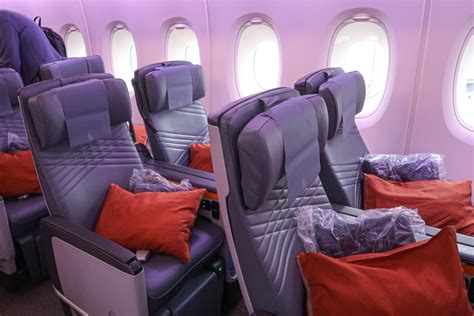
Passengers who frequently pursue upgrades should pay close attention to fare codes before booking. Saving $80 upfront on a basic economy ticket can eliminate upgrade opportunities worth several hundred dollars later.
Upgrade Bidding Systems Use Psychological Pressure
Upgrade bidding programs appear transparent on the surface, but airlines carefully design them to manipulate passenger behavior. After purchasing an eligible economy ticket, travelers may receive an email invitation asking them to bid for a premium economy upgrade within a specific price range.
Most passengers assume the airline’s bid-strength meter reflects genuine competitiveness. In reality, those visual indicators often function more like sales tools than accurate probability forecasts.
When airlines label lower bids as “weak,” travelers instinctively increase their offers to avoid losing the opportunity. That psychological nudge can drive passengers far beyond what the airline might have accepted anyway. Since customers cannot see competing bids, airlines control the entire perception of value.
This creates a fascinating imbalance. Travelers think they are participating in a marketplace, but airlines hold nearly all informational advantage.
In some situations, surprisingly low bids still succeed. Flights with weak premium economy demand may accept offers near the minimum threshold simply because filling the cabin generates additional ancillary revenue opportunities through premium meals, lounge upsells, and loyalty engagement.
Meanwhile, on heavily booked international routes, passengers frequently bid far more than the seat’s remaining market value because fear of missing out overrides rational pricing decisions.
Cash Upgrades Can Be Cheaper Than Winning a Bid
Many travelers assume bidding automatically delivers the best value. That is not always true. Airlines sometimes price direct cash upgrades lower than aggressive winning bids, especially close to departure.
This happens because airline pricing systems constantly recalculate inventory value. If premium economy demand softens a few days before departure, carriers may release discounted fixed-price upgrades through online check-in portals or mobile apps.
Passengers who bid too early often trap themselves into paying more than necessary.
Savvy travelers compare multiple upgrade channels before committing:
- Upgrade bids
- Fixed-price cash offers
- Mileage upgrades
- Airport check-in offers
- Last-minute gate upgrades
In some cases, airport agents can even access unpublished upgrade pricing unavailable online. Long-haul international flights departing with half-empty premium economy cabins frequently trigger these opportunistic discounts.
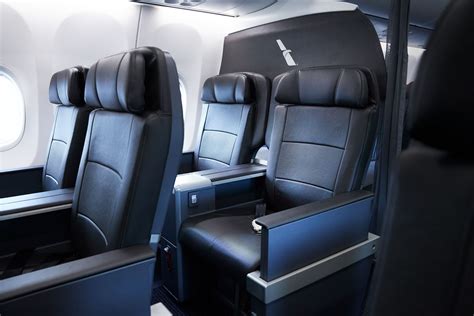
The smartest upgrade buyers treat premium economy like airline inventory trading rather than luxury shopping. Timing matters as much as price.
Elite Status Does Not Guarantee Better Upgrade Access
Frequent flyers often overestimate the power of airline loyalty programs when it comes to premium economy upgrades. Elite status certainly helps, but cabin demand now plays a far larger role than loyalty recognition alone.
Modern revenue management systems prioritize profitability first. If airlines believe they can still sell premium economy seats close to departure, complimentary upgrades become extremely rare. Even top-tier elite travelers may remain stuck in economy on popular international routes.
At the same time, occasional travelers paying flexible economy fares can sometimes receive upgrade opportunities before loyal customers holding discounted tickets.
Fare class often matters more than loyalty tier.
This shift reflects a broader transformation in airline economics. Premium cabins are no longer merely prestige products; they have become essential revenue generators. Airlines aggressively protect those margins, especially as premium leisure travel continues growing worldwide.
The Best Upgrade Timing Happens Closer to Departure
Passengers often chase upgrades months before departure, but airlines typically protect premium inventory until they better understand final demand patterns. That means the most attractive premium economy offers frequently appear within the final week before departure.
During this window, airlines gain clearer visibility into:
- Unsold premium inventory
- No-show projections
- Corporate booking trends
- Oversell risks in economy cabins
If economy becomes overbooked while premium economy remains partially empty, airlines suddenly become far more willing to sell upgrades cheaply to rebalance the aircraft.
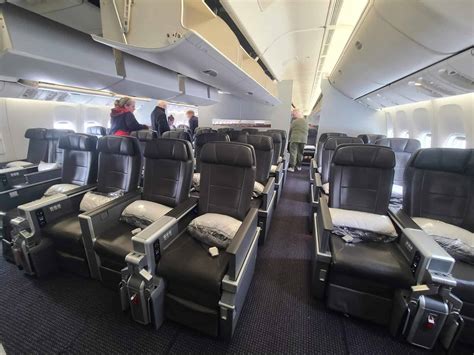
This is why experienced travelers monitor their reservations obsessively during online check-in periods. Some of the best upgrade opportunities appear only hours before departure, especially on long-haul overnight flights where airlines know comfort carries higher emotional value for passengers.
Premium economy upgrades are not random acts of airline generosity. They are carefully calculated revenue decisions shaped by algorithms, demand forecasting, passenger psychology, and fare segmentation. Travelers who understand those systems gain a major advantage over passengers still relying on luck alone.