Overview of the Alaska Ascend Pilot Academy
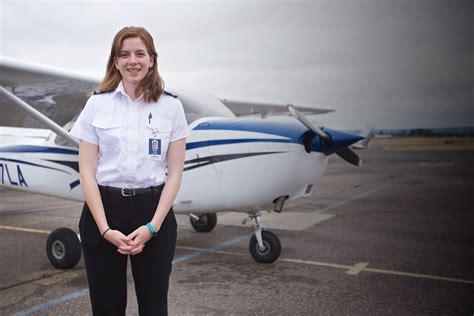
The Alaska Ascend Pilot Academy represents a strategic initiative between Alaska Airlines and Horizon Air to create a pipeline of homegrown pilots. Launched with the intent of addressing ongoing pilot shortages, the program offers a seemingly direct path from initial flight training to employment at Horizon Air, Alaska’s regional affiliate. Prospective pilots are enticed by structured training, financial aid, and a conditional job placement. However, under the surface of this polished marketing campaign lies a polarizing program—celebrated by some, criticized by others.
Program Structure and Timeline
The program promises to take students from zero flight experience to a commercial pilot license with a guaranteed interview at Horizon Air. It’s promoted as an 18-month pathway to commercial readiness. Yet, this timeline refers only to the training phase—not the federally mandated 1,500-hour flight time minimum required to serve as a first officer at a regional airline.
Realistically, students spend an additional 2 to 3 years accumulating flight time, often by instructing as Certified Flight Instructors (CFIs). This brings the total duration to approximately 3.5 to 4.5 years, depending on flight availability, job placement, and weather.
Cost Analysis and Financial Support
One of the most significant appeals of the Alaska Ascend Pilot Academy is the tuition assistance offered by Horizon Air. Students receive a $26,000 subsidy, designated to offset the cost of commercial pilot certification.
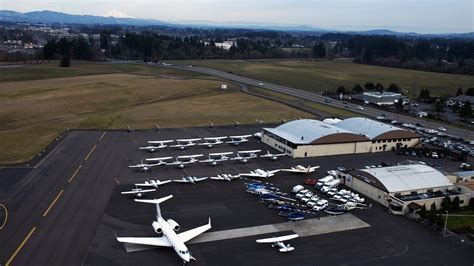
While that figure seems generous, it must be examined in context. The total training cost through Hillsboro Aero Academy (HAA)—the school contracted by Alaska—is estimated between $65,000 and $80,000, though some students cite figures as low as $35,000 under the Ascend program. However, this lower figure typically excludes time-building hours post-CPL.
If a student finishes training but opts not to complete two years of service with Horizon Air, they are required to repay the $26,000 grant. This binding clause has raised concerns among those who value career flexibility or wish to pursue opportunities at other regional carriers.
Hillsboro Aero Academy: Reputation and Concerns
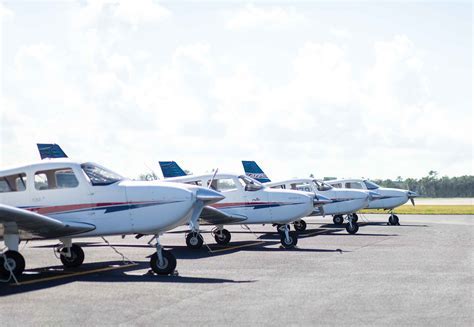
The program’s primary flight training partner, Hillsboro Aero Academy, has received mixed feedback. Supporters highlight its emphasis on safety, well-maintained aircraft, and experienced instructors. Critics, however, argue that:
- Aircraft are occasionally flown past inspection schedules.
- Maintenance concerns led to mechanics leaving the facility.
- Costs are inflated for unnecessary hours.
- Instruction quality varies, with some alleging cultural or language barriers.
Some Reddit testimonials even allege that HAA pushes students into low-paying CFI roles—at rates as low as $24/hour—as a way to retain them while they build time. This contrasts sharply with market rates for CFIs, which can exceed $60/hour in less saturated locations. The implication is that students are being exploited under the guise of a structured career path.
Employment Guarantee: Horizon Air vs Market Alternatives
A critical evaluation of the employment component reveals further ambiguity. While the program offers a guaranteed pathway to Horizon Air, it does not guarantee employment at Alaska Airlines itself. The commitment ends after two years as a first officer at Horizon.
Meanwhile, alternative training paths—such as Part 61 or 141 schools, ATP Flight School, or university-based aviation programs—do not lock students into a single airline. This freedom allows pilots to chase higher signing bonuses, better contracts, or more attractive lifestyle offerings.
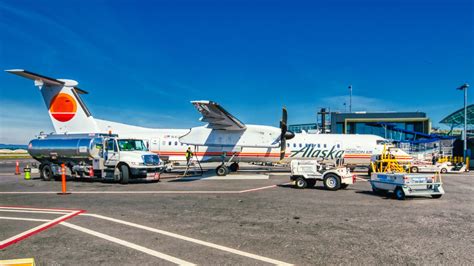
Currently, some regionals are offering $50,000–$100,000 in signing bonuses and improved QOL (Quality of Life) contracts to attract pilots amid captain shortages. In contrast, Horizon has struggled with retention due to slower jet fleet expansion, limited upgrade opportunities, and comparatively modest compensation.
Post-Training Pathway and Time-to-Cockpit Reality
Once students complete the commercial phase, the 1,500-hour rule remains a significant hurdle. The Ascend program encourages—but doesn’t require—students to instruct at Hillsboro Aero. However, many find themselves limited by regional weather, aircraft availability, and instructor bottlenecks.
Even upon reaching 1,500 hours, students may wait months before starting ground school at Horizon, further extending the timeline. This raises critical questions: Is the allure of a structured path worth the opportunity cost of 4+ years and reduced earnings?

Comparative Training Options: Is Ascend the Best Value?
Pilots considering Alaska Ascend must weigh the trade-offs. Here is a comparative summary:
Alaska Ascend:
- Cost: $35K–$80K (with $26K subsidy)
- Duration: ~3.5 to 4.5 years total
- Employment: Horizon Air (2-year commitment)
- Flexibility: Low (penalties for early exit)
ATP Flight School:
- Cost: ~$90K (financing available)
- Duration: 18–24 months
- Employment: No guaranteed airline job, but high job placement
- Flexibility: High (multiple regional partners)
Part 61 Club or Independent CFI:
- Cost: Varies ($50K–$70K possible)
- Duration: 2–3 years
- Employment: Self-driven, flexible
- Flexibility: High
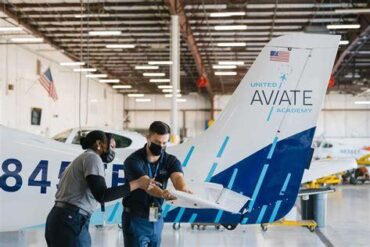
United Aviate Academy (by contrast):
- Cost: Covered through scholarships (competitive entry)
- Structured path to United Airlines
- Strong brand value and modern training
Red Flags and Considerations
Numerous alumni and dropouts warn of misleading promotional messaging. Some believe Alaska and Horizon have outsourced risk and cost to students, while retaining the right to delay employment or enforce penalties. Allegations of poor transparency, misleading timelines, and contractual manipulation should not be dismissed lightly.
However, not all feedback is negative. Active students have praised the professionalism of staff, modern fleet, and clean facilities at HAA. They argue that despite premium pricing, they feel safe, supported, and confident in their training outcomes.
The truth likely lies between these two extremes. Each student’s experience may hinge on location, instructor match, weather patterns, and personal expectations.
Conclusion: Is the Alaska Ascend Pilot Academy Worth It?
The Alaska Ascend Pilot Academy provides a structured, partially subsidized training path that leads to a defined first officer role at Horizon Air. For those who value certainty, affiliation with a major airline brand, and a preset career path, it can be a worthwhile investment.
However, it is not the fastest, cheapest, or most flexible route to the airlines. Critics rightly highlight concerns about financial transparency, long-term value, and limited mobility. For many aspiring aviators, the ability to remain an independent agent in a competitive pilot market may outweigh the perceived security of a conditional job.
Prospective students must do the math. Calculate the time, financial return, and opportunity cost. Then compare it against the open market value of a 1,500-hour pilot in today’s hiring climate.
Ultimately, the Alaska Ascend program is best suited to pilots who are certain they want to fly for Horizon, are comfortable with a longer timeline, and value a guided training experience—even if it comes at a premium.
Frequently Asked Questions (FAQ)
How much does the Alaska Ascend Pilot Academy cost in total?
Total costs range from $65,000 to $80,000, though some students report paying closer to $35,000 under the subsidized version. The program provides a $26,000 financial grant, but students must work two years at Horizon Air or repay it.
How long does it take to complete the program and start flying for Horizon Air?
Although marketed as an 18-month program, the total time required to complete training and accumulate the FAA-mandated 1,500 flight hours typically spans 3.5 to 4.5 years. Delays can occur due to weather, aircraft availability, or instructor bottlenecks.
Is it hard to get hired by Horizon Air after completing the program?
Graduates are guaranteed a job offer at Horizon Air, provided they meet all performance benchmarks and remain in good standing. However, there is no guarantee of upgrade to Alaska Airlines, and wait times for training slots at Horizon can be several months long.