On June 16, 2025, a pivotal step was taken to explore the feasibility of adventure tourism in Dojok Village, located in the 15-Rangang Yangang Constituency. This initiative, led by notable figures from the Sikkim Legislative Assembly, aimed to assess the village’s potential to emerge as a hub for adventure tourism—an industry poised to significantly enhance local employment and spur regional growth.
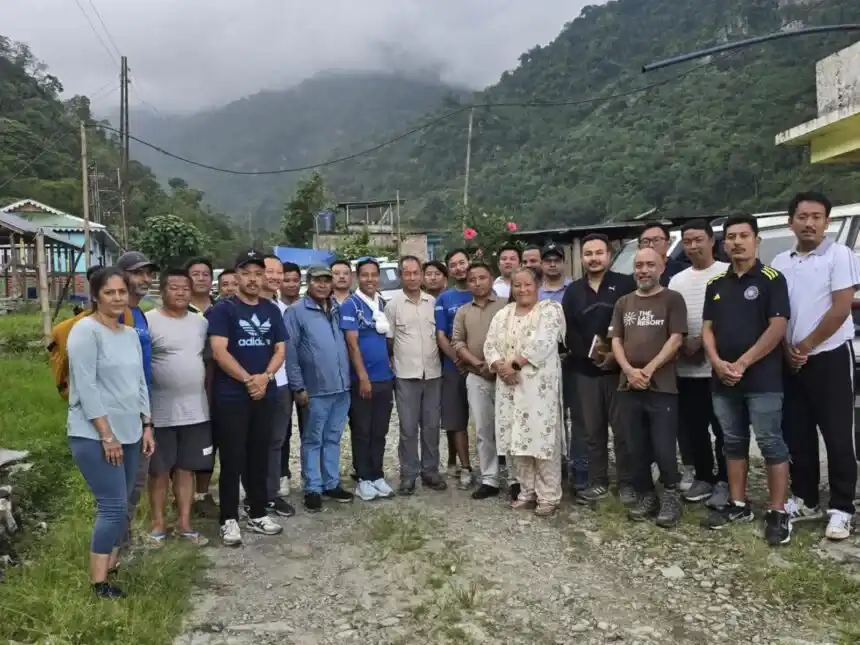
The technical survey was spearheaded by the Hon’ble Deputy Speaker of the Sikkim Legislative Assembly, Smt. Raj Kumari Thapa, alongside Shri Karma Subba, Officer on Special Duty (OSD) to the Hon’ble Chief Minister (Political Affairs), and a dedicated team of experts across various fields. The primary goal of the inspection was to analyze the region’s capacity for developing infrastructure suited for adventure activities such as trekking, mountaineering, river rafting, and zip-lining, which have seen a surge in demand both locally and nationally.
The technical survey team comprised distinguished representatives from the Sikkim Tourism Department, local governance, engineers, and adventure tourism specialists. Key members included Shri Kaji Sherpa, Joint Director-cum-Principal of the Institute of Hotel Management, Catering and Applied Sciences (IHCAE), Shri Manoj Kumar Chettri, Deputy Director of the Tourism Department, and Shri Yapchung Tsh Bhutia, Hon’ble Zilla Panchayat from Rabong-Sangmoo TC. Additionally, Smt. Dil Maya Rai, Hon’ble Panchayat of Dojok, and Shri Bidhan Sharma, Assistant Engineer from the Tourism Department, played crucial roles. The inclusion of a technical team from Nepal, featuring adventure athletes from the renowned Last Resorts Nepal, further strengthened the survey, providing a wealth of experience in adventure tourism development.
Why Dojok Village?
Dojok Village is uniquely positioned within the scenic Yangang region, boasting geographical features that render it an ideal candidate for adventure tourism. Characterized by rugged terrain, pristine natural beauty, and a rich diversity of flora and fauna, the area presents optimal conditions for various adventure activities. Its close proximity to popular tourist spots in Sikkim, coupled with its stunning landscapes, enhances its attractiveness as a destination.
During the survey, experts noted that the village’s rugged mountains, clear rivers, and dense forests create a perfect backdrop for activities such as trekking, mountain biking, and eco-tourism. The remote and tranquil atmosphere makes it an appealing escape for tourists seeking less commercialized experiences.
The Role of the Technical Survey
The survey’s principal aim was to evaluate the feasibility of establishing adventure tourism infrastructure in Dojok Village. Various critical factors were scrutinized during this assessment:
- Environmental Impact: A central concern was ensuring that the growth of tourism would not compromise the local ecosystem. The survey involved a comprehensive analysis of the region’s biodiversity and landscape to advocate for sustainable development practices.
- Accessibility and Infrastructure: The team assessed existing road networks, transport links, and the current infrastructure’s state to determine whether the region could accommodate an influx of tourism. Recommendations were made to enhance existing roads and develop new trails tailored for trekkers and adventurers.
- Community Engagement and Local Employment: A primary objective of the initiative is to foster job opportunities for the local populace. The survey included dialogues with local residents to gauge their concerns and gather support. The potential for employment generation through tourism-related activities, such as guiding, hospitality services, and trail maintenance, was underscored as a significant advantage.
- Safety and Regulations: Experts from Nepal’s Last Resorts Adventure Team discussed safety protocols, advocating for measures that align with international adventure tourism standards. This entails providing adequate training for local guides and establishing necessary safety precautions for various adventure activities.
- Economic Viability: The potential for generating revenue for both the government and local communities was thoroughly evaluated. Adventure tourism has a reputation for attracting both domestic and international visitors, which could, in turn, invigorate local economies through heightened demand for accommodations, dining, and transportation.
Local Involvement and Future Prospects
The engagement of local residents is paramount for the project’s success. During the survey, local leaders like Smt. Dil Maya Rai, Panchayat of Dojok, expressed robust support for the initiative. She highlighted that the project promises much-needed employment opportunities for youth, particularly in guiding, hospitality, and infrastructure maintenance.
“The potential for employment through this tourism project is immense. Our youth will benefit greatly, and the overall development of the region will improve,” stated Rai during the survey.
Similarly, Shri Yapchung Tsh Bhutia, Zilla Panchayat from Rabong-Sangmoo TC, conveyed optimism regarding the project’s ability to uplift the community. He noted, “Adventure tourism can bring not just economic growth but also promote our rich culture and heritage on a global stage.”
Contributions from Nepal’s Adventure Tourism Experts
The expertise brought by professionals from Last Resorts Nepal, a well-established entity in the adventure tourism sector, proved invaluable during the survey. Their extensive experience in similar projects equipped them to provide critical insights into creating sustainable tourism practices.
“They have the experience and expertise that will be invaluable in shaping the project, ensuring it aligns with international standards and maintains the region’s ecological integrity,” remarked Shri Kaji Sherpa during the survey.
Future Steps and Development Plans
With the successful conclusion of the survey, the next steps involve drafting a comprehensive report and action plan for adventure tourism development in Dojok Village. This plan will prioritize building infrastructure, implementing sustainable tourism practices, and ensuring that local communities reap direct benefits from the tourism sector’s growth.
The local government, in collaboration with the Tourism Department of Sikkim, will engage closely with experts, stakeholders, and community members to finalize a strategic roadmap for the project over the coming years. Initiatives to establish eco-friendly lodges, adventure training centers, and designated adventure trails are expected to commence, emphasizing the preservation of Dojok’s natural beauty.
Additionally, the Sikkim Tourism Department will continue monitoring and assessing the progress of this venture, ensuring that it remains sustainable and beneficial for the people of Sikkim for generations to come.
Conclusion
The technical survey conducted in Dojok Village represents a substantial advancement in realizing its potential as an adventure tourism destination. With unwavering support from local officials and insights from Nepalese experts, the region stands on the brink of becoming a key player in Sikkim’s tourism landscape. The anticipated development of adventure tourism in Dojok Village not only promises to invigorate the local economy but also aims to provide ample employment opportunities for the youth while safeguarding the ecological integrity of the area.
As the tourism landscape in Sikkim continues to evolve, the successful execution of this initiative could serve as a benchmark for sustainable tourism development across the state, fostering a harmonious coexistence between nature and the local community.