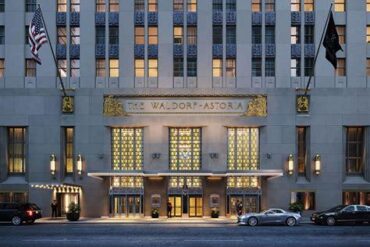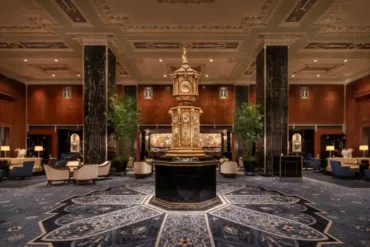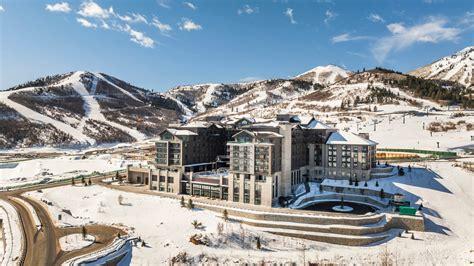
Deer Valley, Utah, is preparing for a dramatic transformation as Waldorf Astoria announces its arrival in the rapidly expanding East Village district, with an opening targeted for 2028. The project signals a bold escalation in North American alpine luxury, combining high-end hospitality, branded residences, and resort amenities designed to rival the world’s most prestigious ski destinations. As global luxury brands converge on Deer Valley, the East Village is evolving into a master-planned enclave that blends real estate ambition with experiential travel at altitude.
The Waldorf Astoria Deer Valley East Village is a collaboration between Extell Development Company and Hilton, two powerhouses with deep experience in luxury real estate and hospitality. Construction began in May 2025, marking a pivotal moment for a region that represents the first major public alpine ski resort development in North America in more than four decades. This context alone elevates the project beyond a hotel opening—it represents a generational shift in how ski destinations are conceived, financed, and experienced.
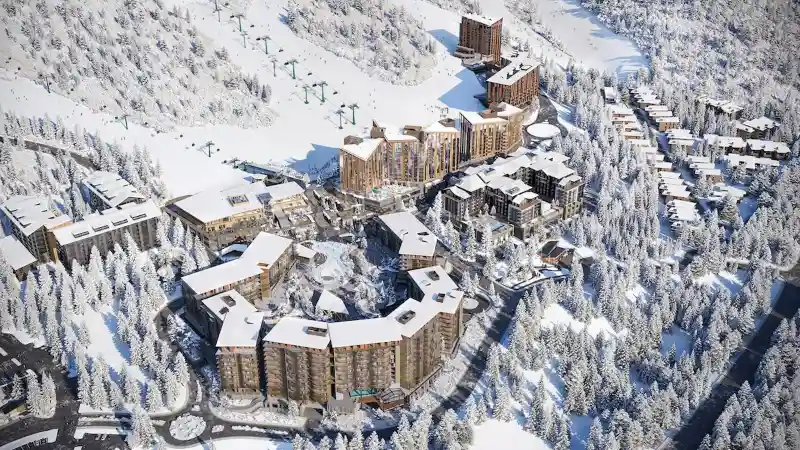
Deer Valley East Village is currently in its formative stage, with cranes and construction crews defining its skyline, yet the vision is unmistakable. The Grand Hyatt Deer Valley has already opened its doors, and the forthcoming Four Seasons Deer Valley East Village has set expectations for ultra-premium positioning. The Waldorf Astoria now joins this elite cluster, adding a distinctive Hilton-backed luxury proposition that appeals to both cash guests and loyalty program enthusiasts seeking aspirational redemptions in a high-demand market.
Waldorf Astoria Deer Valley East Village: Key Resort and Residence Details
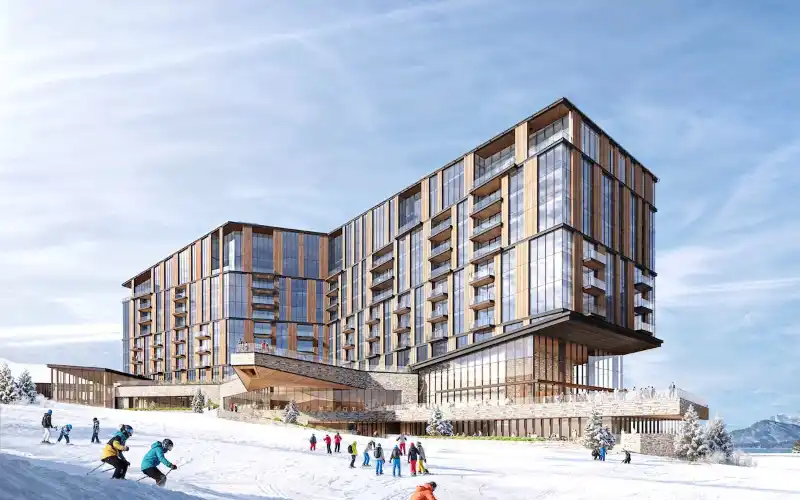
The resort is planned as a ski-in, ski-out property adjacent to Deer Valley’s longest ski run, Green Monster, positioning it as a frontline alpine asset with direct slope access—an increasingly scarce commodity in mature ski markets. The hotel component will feature 132 guest rooms and suites, designed to meet the brand’s global luxury standards, while the real estate component introduces 105 residences ranging from one to six bedrooms, with floor plans spanning approximately 1,099 to 5,155 square feet.
A nuanced ownership structure separates 56 hotel residences from 49 private standalone residences in a dedicated tower, appealing to buyers seeking turnkey hospitality services as well as those prioritizing privacy and bespoke living. This dual-track model reflects the evolving luxury buyer profile, where branded residences function as both lifestyle assets and financial instruments within a trophy real estate portfolio.

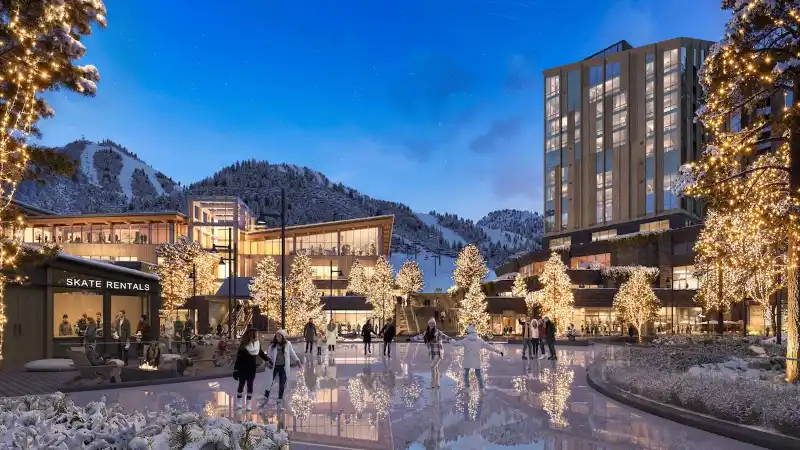

High-End Amenities Redefining the Mountain Resort Experience
Waldorf Astoria’s blueprint emphasizes experiential luxury, with a 15,000-square-foot spa designed as a destination in itself. Thermal features, treatment suites, and a snow room underscore the brand’s intention to fuse wellness with alpine identity, while modern fitness centers and a golf simulator broaden the appeal beyond winter sports. Ski valets and curated guest services reinforce the frictionless luxury ethos that defines the Waldorf Astoria brand across urban and resort destinations.
Culinary and social spaces will play a central role in shaping the property’s identity. Multiple restaurants, bars, and lounges are planned, anchored by Peacock Alley, the brand’s iconic social hub concept that blends cocktail culture, afternoon tea traditions, and high-design interiors. This focus on curated communal spaces reflects a broader hospitality trend toward narrative-driven guest experiences rather than purely transactional accommodation.
Deer Valley East Village as a Strategic Luxury Cluster
The clustering of Grand Hyatt, Four Seasons, and Waldorf Astoria within East Village represents a deliberate strategy to position Deer Valley as a premium alpine hub with layered luxury offerings. Each brand targets a distinct segment within the high-end market: the Grand Hyatt as a relatively accessible luxury option, the Four Seasons as a pinnacle of service-driven opulence, and Waldorf Astoria as a flagship Hilton luxury experience with strong loyalty program appeal.
This concentration of luxury inventory has implications beyond branding. Increased room and residence supply introduces competitive dynamics that can moderate peak-season pricing pressure, potentially improving value perception in a market notorious for four-figure nightly rates. In a sector where demand often outstrips supply, additional high-end capacity can elevate the destination’s global reputation while stabilizing its economic ecosystem.
North American Ski Luxury vs European Alpine Benchmarks
Despite the escalating investment, North American luxury ski resorts continue to face comparisons with established European alpine icons such as Courchevel and St. Moritz. European resorts often integrate hospitality, gastronomy, and village life into cohesive ecosystems with centuries of cultural layering, whereas many U.S. destinations remain purpose-built, modern, and segmented. This difference shapes guest perception, particularly among ultra-high-net-worth travelers accustomed to immersive luxury narratives.
However, developments like Deer Valley East Village suggest a strategic pivot toward more holistic alpine communities. By combining branded residences, retail, dining, and recreation within a master-planned environment, the project aspires to replicate aspects of European resort villages while leveraging American real estate scale and capital efficiency. If executed effectively, East Village could narrow the experiential gap that has historically favored Europe in the luxury ski hierarchy.
Real Estate, Hospitality, and the Rise of Alpine Trophy Assets
The integration of branded residences within the Waldorf Astoria development reflects the broader convergence of luxury hospitality and global real estate capital flows. High-altitude destinations are increasingly viewed as trophy assets, offering both lifestyle prestige and long-term investment potential. Deer Valley’s expansion provides institutional developers and private buyers with rare opportunities to acquire alpine real estate in a controlled, high-barrier-to-entry market.
Extell’s positioning of East Village as a “crown jewel” underscores the strategic ambition behind the project. By aligning with globally recognized brands, the development seeks to create a self-reinforcing ecosystem where hospitality excellence drives real estate value, and residential ownership enhances the destination’s exclusivity and permanence.
Outlook Toward 2028 and the Future of Deer Valley
The opening of Waldorf Astoria Deer Valley East Village in 2028 will coincide with a maturing East Village district, potentially transforming the area from a construction zone into a fully realized luxury alpine enclave. Success will depend on execution: architectural coherence, service quality, and the integration of guest and resident experiences into a unified narrative that feels authentic rather than manufactured.
If the vision materializes, Deer Valley East Village could redefine the competitive landscape of North American ski destinations, offering a concentrated cluster of luxury brands within a purpose-built alpine environment. For travelers, investors, and the global hospitality industry, the project represents more than another hotel—it is a case study in how modern luxury resorts are engineered at the intersection of real estate, brand power, and experiential design.
As 2028 approaches, all eyes will be on how Waldorf Astoria translates its urban and beach resort legacy into the high-altitude theater of Deer Valley. The outcome will help determine whether North American alpine luxury can truly compete on the world stage—or whether the Alps will continue to hold the cultural and experiential high ground.