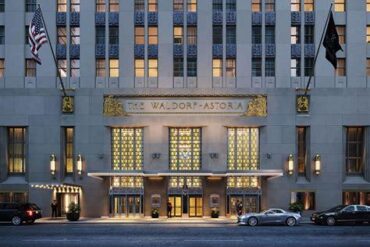
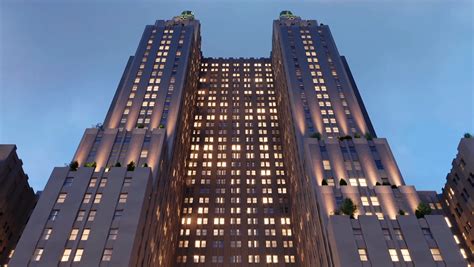
The Waldorf Astoria New York does not merely reopen after renovation; it reasserts its place in the city’s cultural bloodstream. Rising once again along Park Avenue, this legendary address carries the weight of history while confidently presenting itself as a modern luxury hotel for a new generation of travelers. After an ambitious eight-year transformation completed in mid-2025, the Waldorf has emerged leaner, more refined, and unapologetically grand, with just 375 keys replacing the former sprawl of more than 1,400 rooms. The result is a hotel that feels simultaneously historic, spacious, friendly, and undeniably pricey, yet deeply rewarding for guests who appreciate substance over trend.
This is not a hotel chasing Instagram aesthetics or fleeting design fashions. The Waldorf Astoria New York is about permanence, ritual, and presence. Walking through its doors feels less like checking into a hotel and more like stepping into a living chapter of New York history—one that has been carefully edited rather than rewritten.
A Historic Landmark Restored With Surgical Precision
Since opening at its current location in 1931, the Waldorf Astoria has hosted royalty, presidents, celebrities, and tastemakers, serving as both a social stage and a civic symbol. Prior to its closure, however, time had dulled its brilliance. The renovation, led by renowned designer Pierre-Yves Rochon, was tasked with a delicate challenge: preserve the soul while upgrading every expectation of modern luxury.
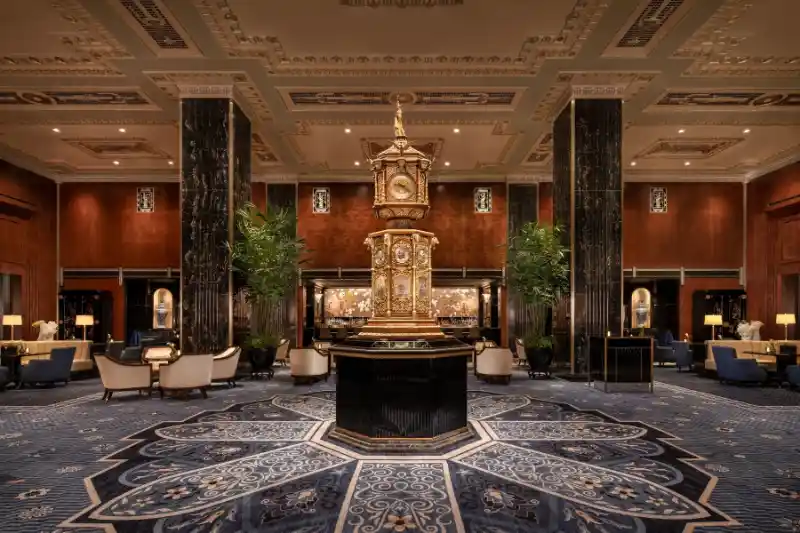
The execution is masterful. Public spaces feel monumental yet intimate, with restored Art Deco details, rich materials, and an unmistakable sense of place. Marble surfaces gleam without feeling cold, lighting is warm and deliberate, and every corridor seems to whisper stories rather than shout for attention. The hotel’s famous public areas—once familiar, now revitalized—feel like they have been polished rather than replaced.
Arrival Experience and Public Spaces That Set the Tone
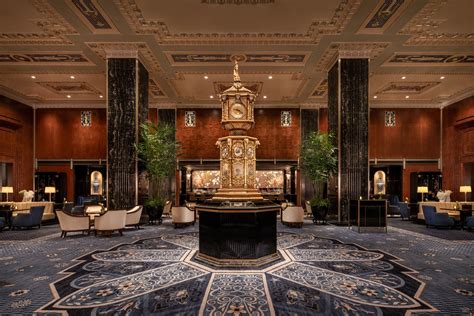
The arrival sequence alone signals that this is a hotel operating at a different altitude. The entrance feels ceremonial, framed by architectural gravity rather than flashy theatrics. Inside, the lobby unfolds with confident restraint, guiding guests naturally toward elevators, lounges, and the iconic Peacock Alley.
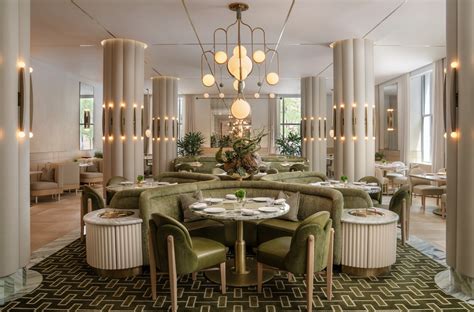
Peacock Alley remains the emotional heart of the hotel. It is not simply a lobby bar; it is a passageway, a meeting ground, and a stage where the Waldorf’s personality is on full display. The restored space feels grand without being intimidating, inviting without becoming casual. This balance is rare and intentional.
Spacious Rooms That Redefine Luxury in Manhattan
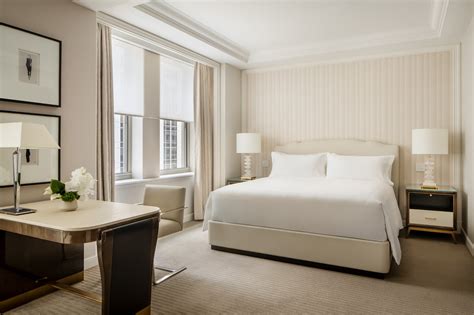
Space is the true luxury in New York, and the Waldorf Astoria New York delivers it generously. Most accommodations are suites, and even the entry-level deluxe king rooms measure approximately 575 square feet, a figure that would qualify as a junior suite at many competing properties.
The room design is refined and calm, intentionally avoiding visual excess. This is a wise editorial choice. The public spaces carry the hotel’s historical drama, while the rooms offer serenity. High ceilings, generous layouts, and thoughtful separation between sleeping and living areas make the rooms feel residential rather than transient.
Bathrooms are particularly impressive, featuring double vanities, deep soaking tubs, walk-in rainfall showers, and a sense of proportion rarely found in Manhattan hotels. Everything works in quiet harmony, reinforcing the idea that luxury does not need to announce itself loudly.
A Service Culture Built on Pride and Memory
Service is where the Waldorf Astoria New York quietly overperforms expectations. Large luxury hotels in New York often struggle with warmth, but here the tone is different. Staff members display an unmistakable sense of pride in working at this property, and that pride translates into attentiveness rather than stiffness.
Interactions feel human, not scripted. Bell staff remember names. Front desk agents engage with confidence rather than routine politeness. There is an underlying sense that employees understand they are caretakers of something significant, not just operators of a luxury facility. For a hotel of this size, that level of personalization is notable and increasingly rare.
Dining Venues That Impress Visually—and Shock Financially
The Waldorf Astoria New York currently offers three food and beverage concepts: Peacock Alley, Lex Yard, and Yoshoku. While Yoshoku may operate on limited schedules, the other two outlets showcase the hotel’s culinary ambitions and, simultaneously, its most controversial aspect: pricing.
Peacock Alley is visually stunning, a space that invites lingering and observation. Cocktails, however, command prices that push beyond even seasoned luxury travelers’ comfort zones, with classic drinks reaching well over thirty dollars before tax and gratuity. The setting justifies part of the premium, but the experience stops short of fully supporting the cost. The absence of complementary bar snacks or experiential flourishes makes the pricing feel transactional rather than theatrical.
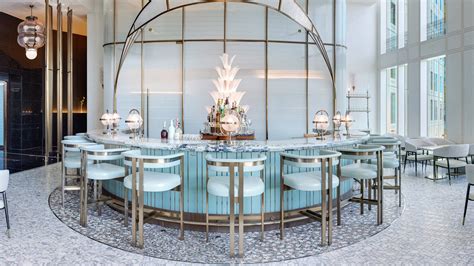
Lex Yard, the hotel’s signature restaurant, continues this theme. Breakfast is beautifully presented and thoughtfully prepared, yet pricing escalates quickly. A simple egg-based dish can approach the cost of a full meal elsewhere in the city. The food is good, sometimes very good, but the value proposition leans heavily on location and ambiance rather than culinary innovation alone.
A Fitness Facility That Sets a New Benchmark
Where the Waldorf Astoria New York truly surprises is its gym. This is not an afterthought or a token amenity. It is, quite simply, one of the most impressive hotel fitness facilities in New York City. Spacious, immaculately equipped, and flooded with natural light, the gym feels closer to a private athletic club than a hotel amenity.
The adjacent Guerlain Spa further reinforces the hotel’s commitment to wellness, even though the absence of a swimming pool may disappoint some guests. Still, the scale and quality of the fitness facilities more than compensate for many travelers, particularly those who prioritize training and recovery while on the road.

Price Positioning and the Reality of Staying Here
There is no way around it: the Waldorf Astoria New York is expensive. Cash rates frequently hover near four figures per night, and even award stays require a substantial points balance. Food and beverage pricing further reinforces the hotel’s premium positioning.
Yet the pricing is not arbitrary. It reflects a deliberate decision to place the Waldorf firmly at the top of the classic luxury segment, appealing to travelers who value heritage, space, and service consistency over novelty. This is not a hotel for bargain hunters or trend chasers. It is a hotel for guests who understand what they are paying for and want exactly that.
Who the Waldorf Astoria New York Is Truly For
This property is best suited for travelers drawn to old-world elegance, generous proportions, and a sense of continuity. It competes less with ultra-modern luxury hotels and more with other historic grande dames of hospitality, while arguably surpassing many of them in room quality and restoration integrity.
Guests seeking a youthful, nightlife-driven atmosphere may find the Waldorf too restrained. Those looking for timeless design, thoughtful service, and an unmistakable New York identity will find it deeply satisfying.
Final Verdict: A Confident, Glorious Return
The Waldorf Astoria New York has returned not as a museum piece, but as a fully functional, thoroughly modern luxury hotel that honors its past without being trapped by it. Its strengths are clear: magnificent restoration, expansive rooms, warm service, and exceptional wellness facilities. Its weaknesses are equally clear: dining prices that outpace the experiential return.
Even so, the balance tilts decisively positive. This is one of the most compelling luxury hotel experiences in New York today, especially for travelers who value space, history, and a sense of arrival that few hotels can still deliver. The Waldorf Astoria New York does not try to impress everyone. It simply stands where it always has—confident, grand, and entirely itself.