For aspiring commercial pilots starting with zero flight hours, two of the most prominent airline-sponsored training programs are United Aviate and Alaska Airlines’ Ascend Pilot Academy. These programs offer structured pathways to the right seat of a regional or major airline jet, but each comes with its own cost structure, timeline, equipment, environment, and strategic advantages. This in-depth analysis breaks down the real-world pros, cons, and hidden complexities of both options.
Cost vs. Value: A Gap That Runs Deeper Than Tuition
At first glance, the tuition difference between the two programs is stark. United Aviate’s cost—estimated at $71,000+ after stipends—nearly doubles Ascend’s cost, which is reported around $37,000+. But that price tag doesn’t tell the whole story.
United Aviate’s program cost is fixed and inclusive. That means whether it takes you 250 or 350 hours to complete your private pilot license, you won’t pay a penny more outside of checkride fees (typically $700–$1,000 each). On the other hand, Ascend’s model is not fixed-cost, and students report ballooning expenses if they don’t meet the absolute minimum required hours.
Additionally, Alaska’s grant or stipend aid only begins at the commercial level, and only after completing your instrument rating. That delay often results in early-phase out-of-pocket costs of $20,000 or more, leaving many students financially stranded before hitting key training milestones.
In contrast, United’s program is backed by a major airline with a clearer financing structure, more predictable costs, and no surprise exclusions. When viewed holistically, the $71K investment in Aviate could ultimately offer more financial stability and fewer hidden risks.
Aircraft Quality and Training Environment
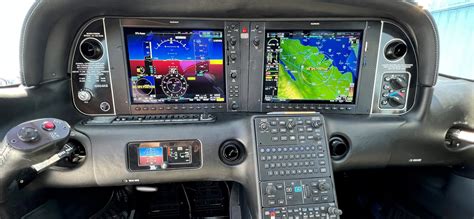
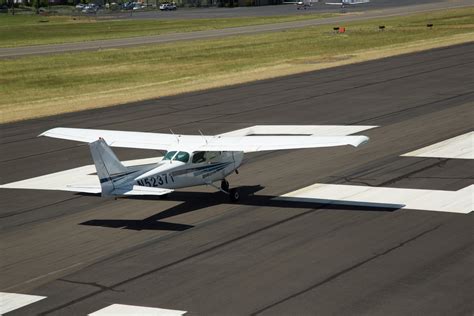
Another major distinction lies in equipment quality and training conditions. United Aviate cadets fly the Cirrus SR20, a high-performance piston aircraft equipped with Garmin Perspective avionics and advanced safety features like an airframe parachute system. This is a significant step up from the older Cessna 172s commonly used by Hillsboro Aero Academy, the contractor behind Alaska’s Ascend program.
The advanced avionics of the Cirrus SR20 better prepare students for the glass cockpit environments found in modern regional and mainline aircraft. The Bose headset (which cadets keep) and a loaner iPad pre-loaded with Jeppesen charts further reflect Aviate’s tech-forward, integrated approach.
On top of this, Aviate’s training takes place in Arizona, a state boasting over 300 days of flyable weather per year. That’s not a luxury—it’s a strategic advantage. One Redditor shared delays of 6+ months due to poor weather in the Midwest. Oregon, where Ascend is based, suffers even worse weather, threatening progress and ballooning timelines.
Institutional Goals: Training Pilots or Running a Business?
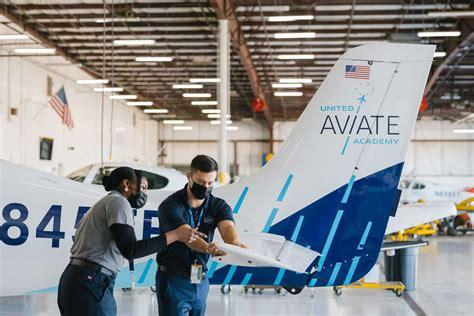
The organizational structure and motivations of the two programs differ significantly. United Aviate Academy is owned and operated directly by United Airlines, which means the airline has skin in the game. Their goal? Train pilots to join their ranks.
Alaska’s Ascend program, however, is outsourced to Hillsboro Aero Academy, a for-profit flight school with a long history of serving international students and maximizing revenue per flight hour. This private business model can create misaligned incentives: delays, upselling additional training, and inconsistent support.
Multiple pilot testimonials warn that Hillsboro does not offer fixed pricing, making it susceptible to cost creep. Moreover, students report that Alaska’s academy is often oversold, with local housing options either overpriced or in short supply.
Program Structure and Airline Integration
One of the standout advantages of United Aviate is its direct airline integration. Cadets receive a United seniority number from day one, an enormously valuable asset for future career progression. Airline seniority affects pay, routes, upgrade time, and base selection—and receiving that status at zero flight hours is nearly unprecedented.
In contrast, Ascend guarantees little more than an interview with Horizon Air—Alaska’s regional partner—after completion. While that sounds promising, it doesn’t equate to a job offer. Industry veterans point out that airline-backed academies can alter their flow-through policies at any time, especially during economic downturns. American Airlines’ own WO (wholly owned) programs are already cutting flow agreements, proving that nothing is guaranteed, even in well-established cadet pipelines.
Cadets from Ascend face additional uncertainty, as Hillsboro’s commitment to airline training has been questioned by former students. The business model prioritizes enrollment and profit, not necessarily career placement.
Student Experience, Delays, and Burnout
For many, the decision boils down to student experience. Aviate cadets benefit from a structured and supportive training culture, including mentoring, clear timelines, and consistent progress tracking. One candidate noted they dropped out of another school with 27 hours logged and realized how much better Aviate’s system might have been from the start.
On the other hand, several Redditors considering Ascend expressed concern about burnout, delays, and unclear expectations. Delays caused by Oregon’s poor weather often lead to lost momentum, extended housing costs, and growing debt. Additionally, the disjointed nature of the Hillsboro system often results in frustration over progress tracking and support.

Burnout is a real issue. Training under a poorly managed or excessively profit-driven institution can sap motivation and prolong your timeline, making it harder to stay focused or even remain in the industry.
Location, Lifestyle, and Logistics
Arizona’s dry, stable climate is a major reason many cadets gravitate toward Aviate. It supports efficient scheduling, faster checkrides, and fewer cancellations. Plus, being in Arizona positions you in the heart of the U.S. pilot training ecosystem, with access to other support networks and aviation communities.
Oregon—despite its natural beauty—comes with high housing costs, constant rain, and limited flyable days. These environmental and logistical challenges can make an already difficult training path even more daunting.
Some Redditors shared that housing costs in both locations are steep, but delays in Oregon extend the total rental period, increasing your financial burden. Aviate’s faster progression can help you hit your flight time milestones earlier, reducing cost-of-living overhead in the long term.
Industry Trends: Security vs. Flexibility
The airline industry is notoriously cyclical. What looks like a promising pipeline today may stall tomorrow. One Redditor cautioned: “Both of these programs can be cut, the terms can be changed, and you are stuck with extra debt you didn’t need because an airline ‘promised’ you a job.”
While that’s true, United’s strategy to internalize training and secure pilot pipelines suggests they’re serious about long-term investment. Their facility in Goodyear, Arizona, is a flagship operation. Meanwhile, Hillsboro Aero appears more opportunistic—built to scale quickly, but not necessarily built to endure downturns.
That said, cadet programs aren’t for everyone. If flexibility, independence, and cost minimization are your top goals, a local Part 61 school may be a better fit. But for those who want predictability, quality aircraft, and a defined airline track, Aviate remains hard to beat.
Final Verdict: What’s the Right Fit for You?
The decision between United Aviate and Alaska Ascend Pilot Academy is not simply about cost—it’s about the entire training ecosystem. Aviate delivers predictable costs, elite equipment, superior weather, and a true airline-operated system. Ascend offers a lower price upfront but carries more risk, less support, and a business model that may not fully align with pilot development goals.
For a zero-hour applicant, the higher price tag of Aviate may be a smart investment in speed, support, and career trajectory. But those with local resources, flexibility, and high discipline might still find success going the Ascend route—or even bypassing both in favor of a community-based Part 61 or 141 school.
In aviation, your first big decision matters. Not just because of the cost, but because of the direction it sets for the next 20–30 years of your career.